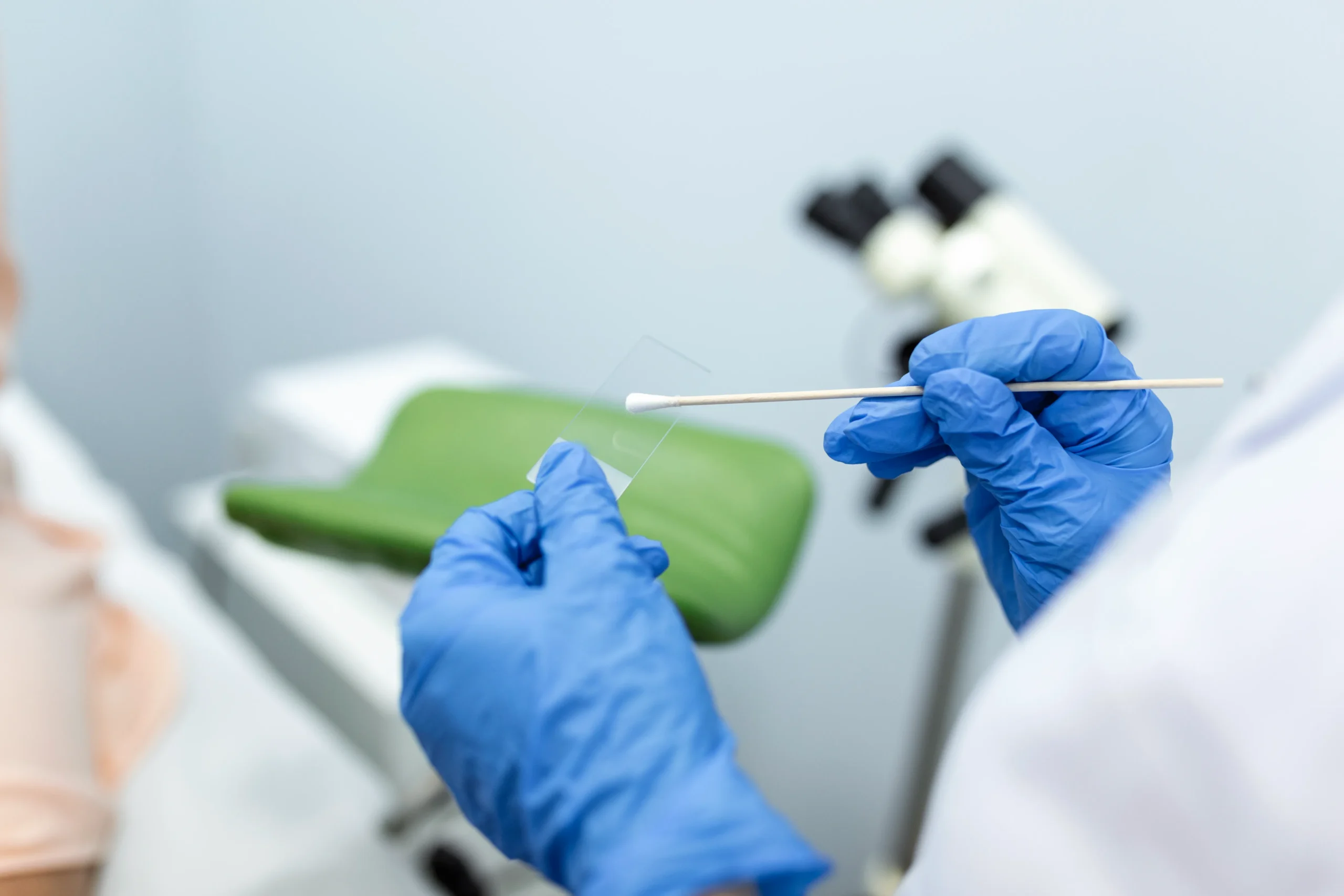
Pap Smear Test: What It Is, Who Needs It & What Your Results Mean

Cervical cancer is the second most common cancer in Indian women — and one of the most preventable. The Pap smear test is one of the most powerful tools we have to catch it early, often years before it becomes a problem. Yet cervical cancer screening uptake in India remains critically low, estimated at under 3% nationally.

Most women who skip their Pap smear aren’t indifferent to their health. They simply don’t know when to start, what the test actually involves, or what their results mean. This guide answers all of that — clearly, honestly, and without jargon.

What Is a Pap Smear Test?

A Pap smear — also called a Pap test or cervical cytology — is a quick, simple screening procedure that collects a small sample of cells from the cervix (the lower part of the uterus that opens into the vagina). These cells are examined under a microscope to detect any abnormal changes that could indicate precancerous or cancerous conditions.

It is important to understand what the Pap smear is — and isn’t. It is a screening test, not a diagnostic test. It doesn’t confirm cancer; it identifies cells that warrant further investigation. It also does not test for STIs like chlamydia or gonorrhoea — those require separate tests.

The Pap smear is often done alongside an HPV test — a combination called co-testing — which checks for the presence of high-risk HPV strains most associated with cervical cancer. Together, they offer the most comprehensive cervical screening available.

Who Needs a Pap Smear and When to Start

In India, FOGSI (Federation of Obstetric and Gynaecological Societies of India) guidelines, aligned with international best practice, recommend:

Age Group

Recommendation

Under 21

Screening not required

21–29

Pap smear every 3 years
30–65

Pap smear every 3 years, OR Pap + HPV co-test every 5 years

Over 65

May stop if 3 consecutive normal results and no history of abnormal cells
Post-hysterectomy (for benign reasons)

Routine screening can usually be discontinued

Immunocompromised women (HIV, on immunosuppressants)

More frequent screening; discuss with your doctor

A common misconception: Many women believe a Pap smear is only necessary if they are sexually active or have had multiple partners. While sexual activity is a risk factor for HPV exposure, FOGSI recommends that all women between 21 and 65 — regardless of sexual history or HPV vaccination status — undergo cervical screening on schedule.

Even if you’ve had the HPV vaccine, continue your Pap smears. The vaccine protects against the most common cancer-causing HPV strains but not all of them. Regular Routine Check-ups & Prevention at CareForHer include cervical screening as part of a comprehensive women’s health check.

What Happens During a Pap Smear?

The procedure takes less than 5 minutes and is done in your gynaecologist’s clinic.

Step by step:

  1. You lie on an examination table with your knees bent (similar to a pelvic exam position)
  2. A small instrument called a speculum is gently inserted into the vagina to hold the walls apart and allow the cervix to be visible
  3. A soft brush or spatula is used to gently collect cells from the surface of the cervix — most women feel mild pressure or a brief, dull ache; it is rarely painful
  4. The sample is sent to a lab for analysis
  5. Results are typically available within 5–7 days

To get the most accurate results:

  • Avoid sexual intercourse, douching, or vaginal medications for 48 hours before the test
  • Do not schedule during your period — ideally mid-cycle (days 10–20) is best
  • You can have a Pap smear during pregnancy (up to 24 weeks is generally safe)

How Much Does a Pap Smear Cost in India?

Pap smear costs in India vary depending on the setting:

Setting

Approximate Cost
Government hospitals

Free or nominal fee

Diagnostic labs (SRL, Metropolis, Dr. Lal)

₹300–₹800
Private gynaecology clinics

₹500–₹1,500

Co-test (Pap + HPV)

₹1,500–₹3,500

The cost is a small investment compared to the cost — financial and physical — of treating cervical cancer detected late. At CareForHer in Goregaon East, cervical screening is offered as part of a comprehensive Sexual & Reproductive Health consultation.

Understanding Your Pap Smear Results

Results are typically reported using the Bethesda System. Here’s what each finding means:

Normal / Negative Result

NILM (Negative for Intraepithelial Lesion or Malignancy) — the most common result. Your cervical cells are healthy with no abnormal changes detected. Continue routine screening on schedule. No further action required.

Abnormal Results — What They Actually Mean

ASC-US (Atypical Squamous Cells of Undetermined Significance) Mildly abnormal cells that don’t clearly indicate precancer. Usually triggered by an HPV infection, inflammation, or hormonal changes. An HPV reflex test is typically ordered next. Most ASC-US findings resolve on their own without treatment.

LSIL (Low-Grade Squamous Intraepithelial Lesion) Mild abnormalities, usually associated with HPV infection. Often resolves without treatment, particularly in younger women. Your doctor will monitor with a repeat Pap smear or colposcopy (a closer examination of the cervix) within 6–12 months.

HSIL (High-Grade Squamous Intraepithelial Lesion) More significant abnormal cell changes with a higher risk of progression to cervical cancer if left untreated. Requires colposcopy and possible biopsy. This does not mean cancer — it means precancerous changes that need treatment to prevent cancer from developing.

ASC-H (Atypical Squamous Cells — Cannot Exclude HSIL) Ambiguous abnormal cells that cannot be clearly classified. Colposcopy is recommended.

Squamous Cell Carcinoma / Adenocarcinoma Cells Cells that are almost certainly cancerous. Requires immediate specialist referral and further investigation. This is rare — it is the scenario that routine Pap smears are designed to prevent by catching changes at an earlier stage.

Unsatisfactory Result The sample did not contain enough cells for reliable analysis. The test simply needs to be repeated — this is not an abnormal result.

Abnormal Result: What Happens Next?

An abnormal Pap smear is not a cancer diagnosis — it is a signal to look more closely. The most common next step is a colposcopy: a procedure where your gynaecologist uses a magnifying instrument with a light to examine the cervix in detail. A small biopsy may be taken if areas of concern are identified.

If precancerous changes (CIN — Cervical Intraepithelial Neoplasia) are confirmed, they can be treated with a simple outpatient procedure — such as LEEP (Loop Electrosurgical Excision Procedure) or cryotherapy — that removes the abnormal tissue before it has any chance to progress. This is exactly what early detection is designed to achieve.

If you’ve received an abnormal Pap smear result and need guidance on next steps, a consultation with Dr. Anuja Ojha at CareForHer will walk you through exactly what your result means and what, if anything, needs to happen next. Explore Gynaecological Surgeries & Procedures at CareForHer for further information on cervical procedures.

Pap Smear vs HPV Test: Which Do You Need?

Pap Smear

HPV Test

What it checks

Abnormal cervical cells Presence of high-risk HPV virus
Age to start 21

25–30 (per Indian guidelines)

Frequency

Every 3 years Every 5 years
Best used Ages 21–29 alone; 30–65 ideally combined

Ages 30–65, ideally with Pap smear

Can replace each other?

Not entirely

Not entirely

For women over 30, the co-test (Pap + HPV together) is the most comprehensive option and is now widely available across Mumbai’s private labs and clinics. Ask your gynaecologist which combination is right for your age and risk profile.

See a Specialist in Goregaon, Mumbai

A Pap smear takes less time than a coffee break. It causes minimal discomfort. And it could detect a change in your cervical cells years before cervical cancer develops — giving you time to treat it completely.

If you’re due for a Pap smear, have never had one, or received an abnormal result and need guidance, Dr. Anuja Ojha at Care For Her, Goregaon East, offers cervical screening, HPV co-testing, and colposcopy in a comfortable, private clinical environment.

Also explore the HPV Vaccine at CareForHer — vaccination and screening together offer the strongest protection against cervical cancer.

Book a consultation with Dr. Anuja Ojha, Gynaecologist in Goregaon East →

Frequently Asked Questions (FAQs)

Q1. What does a Pap smear test check for?

A Pap smear checks for abnormal or precancerous cells on the cervix that could develop into cervical cancer if left untreated. It does not test for STIs, pregnancy, or ovarian conditions.

Q2. At what age should I start getting a Pap smear in India?

FOGSI guidelines recommend starting at age 21 for sexually active women. Women aged 21–29 should have a Pap smear every 3 years; women aged 30–65 should have a Pap smear every 3 years or a Pap + HPV co-test every 5 years.

Q3. Does a Pap smear hurt?

Most women feel mild pressure or a brief dull ache — not pain. The procedure takes less than 5 minutes. Anxiety often makes it feel worse in anticipation than it actually is. Inform your doctor if you’re nervous; they can talk you through each step.

Q4. What does an abnormal Pap smear result mean?

An abnormal result means some cervical cells look different from normal. It does not mean cancer. Depending on the type of abnormality, you may need a repeat Pap smear, an HPV test, or a colposcopy for closer examination. Most abnormal results resolve without treatment.

Q5. Do I need a Pap smear if I’ve had the HPV vaccine?

Yes. The HPV vaccine protects against the most common cancer-causing strains but not all of them. Routine Pap smears remain necessary even after vaccination, on the same schedule as unvaccinated women.

Q6. How much does a Pap smear cost in India?

At diagnostic labs, it costs ₹300–₹800. At private clinics, ₹500–₹1,500. A Pap + HPV co-test costs ₹1,500–₹3,500. Government hospital testing is free or near-free.

Q7. Can I have a Pap smear during my period?

It is best to avoid scheduling during your period as blood can interfere with cell analysis. Aim for mid-cycle — around days 10–20. If your appointment falls during your period, reschedule rather than skip it.

Citations & References

  1. Fertilia. Pap Smear Cost in India: Price, When & How Often. Published July 2026. fertilia.in

  2. Apollo Hospitals. PAP Smear Test — Purpose, Results, Normal Range and More. apollohospitals.com

  3. Metropolis India. Pap Smear Test: Purpose, Procedure, Risks & Why It’s Important. Updated March 2026. metropolisindia.com

  4. Mayo Clinic. Pap Smear. mayoclinic.org

  5. American College of Obstetricians and Gynecologists (ACOG). Cervical Cancer Screening Infographic. acog.org

  6. National Cancer Institute (NCI). Cervical Cancer Screening. cancer.gov

  7. ICMR — National Institute of Cancer Prevention and Research. Cervical Cancer Screening Guidelines for India. icmr.gov.in

This blog is for informational purposes only and does not constitute medical advice. For cervical screening at CareForHer, Goregaon East, Mumbai — consult Dr. Anuja Ojha. Book online or call 7400424637.


What Is Amenorrhoea (Missed Periods)? Causes & When to Worry

A missed period is one of the most common reasons women consult a gynaecologist — and one of the most anxiety-inducing. The first thought is almost always pregnancy. But when a test comes back negative, the question shifts: why has my period stopped?

The medical term for absent periods is amenorrhoea — and it is more common than most women realise. It affects women across all age groups, has a wide range of causes, and in the vast majority of cases is completely treatable once the underlying reason is identified.

Here’s a clear guide to understanding amenorrhoea: what it is, what causes it, and — most importantly — when it’s something you need to act on quickly.

What Is Amenorrhoea?

Amenorrhoea is the absence of menstruation. It is classified into two types based on when it occurs:

Primary Amenorrhoea

This is when a girl has not had her first period by the age of 15, despite the development of other signs of puberty such as breast growth and pubic hair. It may also be diagnosed when there are no signs of puberty by age 13. Primary amenorrhoea affects approximately 1 in 200 young women and usually requires specialist investigation of hormonal or structural causes.

For concerns related to puberty and adolescent menstrual health, explore Adolescent & Puberty-Related Issues at CareForHer.

Secondary Amenorrhoea

This is far more common. It refers to the absence of periods for 3 or more consecutive months in a woman who previously had regular cycles, or 6 or more months in a woman with previously irregular periods. Pregnancy is the most common cause and should always be ruled out first — but when a test is negative, a broader evaluation is essential.

Common Causes of Amenorrhoea

Periods don’t stop without a reason. Here are the most clinically significant causes, many of which are highly prevalent in Indian women:

1. Pregnancy and Breastfeeding

The most common cause of a missed period in women of reproductive age. Breastfeeding raises prolactin levels, which suppresses ovulation — causing lactational amenorrhoea that can last months after delivery.

2. PMOS (Formerly PCOS) — Polycystic Ovary Syndrome

One of the leading hormonal causes of irregular or absent periods in India. Elevated androgen levels and insulin resistance disrupt the normal hormonal signals needed to trigger ovulation and menstruation. Women with PMOS may go weeks or months between periods — or stop having them altogether for extended stretches. Learn more about Menstrual Disorder Management at CareForHer.

3. Thyroid Disorders

Both underactive (hypothyroidism) and overactive (hyperthyroidism) thyroid conditions can disrupt the menstrual cycle. Thyroid disorders are highly prevalent in Indian women and are one of the most commonly missed causes of amenorrhoea. A simple TSH blood test is often all that’s needed to identify or rule this out.

4. Hypothalamic Amenorrhoea (Stress, Weight, and Exercise)

The hypothalamus is the part of the brain that sends signals to trigger the menstrual cycle. Chronic physical or emotional stress, sudden or significant weight loss, very low body fat, or excessive exercise can all suppress hypothalamic function — causing periods to stop. This is increasingly common in urban Indian women managing high-pressure professional and personal lives.

5. Elevated Prolactin (Hyperprolactinaemia)

Prolactin is the hormone that stimulates breast milk production. When prolactin levels are abnormally high outside of pregnancy or breastfeeding — due to a small benign pituitary tumour called a prolactinoma, or certain medications — it can suppress ovulation and stop periods. Symptoms often include milky nipple discharge (galactorrhoea) alongside missed periods.

6. Premature Ovarian Insufficiency (POI)

Also called premature ovarian failure, this condition occurs when the ovaries stop functioning normally before age 40 — leading to low oestrogen, absent periods, and symptoms similar to early menopause. It affects approximately 1 in 100 women under 40 and requires careful management, including hormonal therapy to protect bone and cardiovascular health.

7. Asherman’s Syndrome (Uterine Scarring)

Scar tissue (adhesions) inside the uterine cavity — typically from a D&C procedure, uterine surgery, or severe infection — can cause periods to stop. This is a structural cause of amenorrhoea that requires hysteroscopic surgical treatment.

8. Contraception

Certain hormonal contraceptives — particularly the injectable contraceptive (Depo-Provera), the progesterone-only implant, and the levonorgestrel IUD — commonly cause periods to stop. This is an expected side effect, not a medical concern. However, if periods don’t return within 3 months of stopping hormonal contraception, an evaluation is warranted.

9. Significant Weight Changes and Eating Disorders

Extreme weight loss, very low BMI, or conditions like anorexia nervosa reduce the body’s oestrogen production — triggering hypothalamic suppression and amenorrhoea. This is a red flag that needs sensitive, multidisciplinary management including nutritional and psychological support.

10. Menopause

Natural menopause — the permanent cessation of periods — typically occurs between ages 45 and 55 in Indian women. If you’re experiencing missed periods alongside hot flashes, night sweats, and mood changes, explore Menopause & Hormonal Therapy at CareForHer.

How Is Amenorrhoea Diagnosed?

When you see your gynaecologist for missed periods, expect the following:

History: When did your periods stop? Were they previously regular? Any recent weight changes, stress, new medications, or contraceptive use? Are there other symptoms like milky discharge, hot flashes, acne, or hair growth?

Key investigations:

Test

What It Checks

Urine or blood pregnancy test

Rules out pregnancy first
TSH (thyroid)

Thyroid function

Prolactin

Rules out prolactinoma
FSH and LH

Ovarian function and pituitary signalling

AMH

Ovarian reserve — important for fertility planning
Oestradiol

Oestrogen levels

Testosterone and DHEAS

Rules out androgen excess (PMOS)
Pelvic ultrasound

Checks ovaries, uterus, and endometrial lining

MRI brain (if needed)

Investigates pituitary gland if prolactin is elevated

Amenorrhoea and Fertility: What You Need to Know

If periods have stopped, ovulation has likely stopped too — which directly affects the ability to conceive. The good news is that most causes of amenorrhoea are treatable, and restoring ovulation is achievable in the majority of cases.

Whether through thyroid treatment, ovulation induction for PMOS, weight restoration, or prolactin-lowering medication, most women with amenorrhoea can regain regular cycles and conceive with the right management. For a comprehensive fertility evaluation, explore Infertility Treatment at CareForHer.

When Should You Worry? Red Flags to Act On

Most causes of amenorrhoea are benign and manageable. However, seek medical evaluation promptly if you notice:

  • Periods absent for 3 or more consecutive months with a negative pregnancy test
  • Milky nipple discharge alongside missed periods (may indicate a prolactinoma)
  • Sudden severe weight loss or inability to eat — eating disorder-linked amenorrhoea needs urgent multidisciplinary care
  • Hot flashes, night sweats, and vaginal dryness in a woman under 40 — possible premature ovarian insufficiency
  • Severe pelvic pain alongside absent periods — rules out structural or gynaecological causes
  • Vision changes or persistent headaches — can indicate a pituitary tumour pressing on the optic nerve
  • Period never starting by age 15 — primary amenorrhoea requires early specialist evaluation to rule out structural or chromosomal causes

Regular routine gynaecological check-ups remain the most reliable safety net — many hormonal conditions underlying amenorrhoea are identified through routine blood tests before symptoms escalate.

Amenorrhoea Treatment: What to Expect

Treatment is always targeted at the underlying cause — not the absent period itself. There is no single “cure” for amenorrhoea; the right treatment depends entirely on what’s driving it.

  • PMOS: Lifestyle changes, metformin, hormonal therapy, or ovulation induction depending on goals
  • Thyroid disorders: Thyroid hormone replacement (hypothyroidism) or treatment to reduce thyroid activity (hyperthyroidism)
  • Hypothalamic amenorrhoea: Stress reduction, nutritional rehabilitation, reducing exercise intensity, psychological support
  • Hyperprolactinaemia: Dopamine agonist medication (cabergoline or bromocriptine) — highly effective and usually avoids surgery
  • Premature ovarian insufficiency: Hormonal replacement therapy to protect bone density and cardiovascular health; fertility options discussed with a specialist
  • Asherman’s syndrome: Hysteroscopic surgical removal of adhesions
  • Post-contraceptive: Usually watchful waiting; ovulation induction if conception is the goal

See a Specialist in Goregaon, Mumbai

A missed period that lasts more than three months — with a negative pregnancy test — is your body signalling that something needs attention. It doesn’t mean something is seriously wrong, but it does mean something is worth investigating.

At Care For Her in Goregaon East, Dr. Anuja Ojha offers comprehensive evaluation for amenorrhoea — including hormonal blood tests, pelvic ultrasound, and personalised treatment planning — with a clear, step-by-step approach from diagnosis to management.

Book a consultation with Dr. Anuja Ojha, Gynaecologist in Goregaon East →

Frequently Asked Questions (FAQs)

Q1. What is amenorrhoea?

Amenorrhoea is the medical term for absent periods. Primary amenorrhoea means periods haven’t started by age 15. Secondary amenorrhoea means periods have stopped for 3 or more consecutive months in a woman who previously had cycles.

Q2. What are the most common causes of missed periods in India?

Pregnancy, PMOS (formerly PCOS), thyroid disorders, stress, significant weight changes, and hormonal contraception are the most common causes in Indian women. A gynaecologist can identify the specific cause with a few targeted tests.

Q3. How many missed periods should I be worried about?

See a doctor after 3 consecutive missed periods with a negative pregnancy test. Don’t wait longer — many underlying causes are easier to treat when identified early.

Q4. Can stress cause periods to stop?

Yes. Chronic emotional or physical stress suppresses the hypothalamus — the part of the brain that triggers the hormonal cascade for menstruation. This is called hypothalamic amenorrhoea and is increasingly common in urban Indian women.

Q5. Can amenorrhoea affect fertility?

Yes — absent periods usually mean absent ovulation, which directly affects the ability to conceive. Most causes are treatable, and restoring ovulation is achievable in the majority of cases with the right management.

Q6. Will my periods come back after stopping birth control?

For most women, periods return within 1–3 months of stopping hormonal contraception. If they don’t return within 3 months, consult a gynaecologist to rule out an underlying hormonal condition.

Q7. Is amenorrhoea the same as PCOS?

No — but PMOS (formerly PCOS) is one of the most common causes of amenorrhoea. PMOS is a hormonal condition; amenorrhoea is a symptom that can arise from many different conditions, including PMOS.

Citations & References

  1. Apollo 247. Amenorrhea Symptoms, Causes, and Treatment Options. apollo247.com

  2. Medical News Today. Absence of Menstruation (Amenorrhoea): 13 Causes. Updated August 2026. medicalnewstoday.com

  3. IVF Spain. Amenorrhoea: Causes of Missed Periods and When to Worry. Published August 2026. ivf-spain.com

  4. Healthline. Amenorrhea: Causes, Treatment, and Prevention. healthline.com

  5. Ubie Health. Missed Period? Why Your Body Has Amenorrhea and Medically Approved Next Steps. Published March 2026. ubiehealth.com

  6. Bals-Pratsch M, et al. Amenorrhea — Diagnosis and Treatment. Deutsche Medizinische Wochenschrift. 2022. PubMed. pubmed.ncbi.nlm.nih.gov

  7. American College of Obstetricians and Gynecologists (ACOG). Amenorrhea: Absence of Periods. FAQ. acog.org

This blog is for informational purposes only and does not constitute medical advice. For a personalised evaluation, consult Dr. Anuja Ojha at Care For Her, Goregaon East, Mumbai — book online or call 7400424637.

First Trimester of Pregnancy: Week-by-Week Pregnancy Symptoms and Body Changes

The first trimester is weeks 1 through 12 of pregnancy — and it is, without question, the most dramatic phase of change that the human body quietly goes through. From the outside, very little may be visible. On the inside, an entire new life is being built from scratch, and your body is working harder than it ever has to make that happen.

For many women in India, this period is also the most confusing — full of symptoms they weren’t warned about, tests they don’t fully understand, and a constant undercurrent of anxiety about whether everything is going well.

This guide walks you through the first trimester week by week: what’s happening to your body, what your baby is doing, what to watch for, and when to call your doctor.

Weeks 1–2: Before You Even Know

Technically, pregnancy is counted from the first day of your last menstrual period — which means weeks 1 and 2 happen before conception even occurs. During these weeks, your body is preparing for ovulation, and fertilisation happens around day 14 of a standard 28-day cycle.

You won’t have any pregnancy symptoms yet. What’s happening is entirely invisible — but this is already a critical window. If you’re planning a pregnancy, starting folic acid (400 mcg daily) before conception is one of the most important things you can do to protect your baby’s neural tube development.

Week 3: Fertilisation and Implantation

The sperm meets the egg, and a zygote is formed. Over the next few days, it divides rapidly as it travels down the fallopian tube toward the uterus. Around days 6–10 after ovulation, the fertilised egg implants into the uterine lining — and this is when your body begins producing the pregnancy hormone beta-hCG.

Some women notice implantation bleeding at this point — light pink or brown spotting, much lighter and shorter than a period. It’s completely normal and often mistaken for an early period.

Week 4: The Missed Period — and the Positive Test

By week 4, hCG levels are high enough for a home pregnancy test to detect. This is typically when most women first find out they are pregnant — a missed period, a positive test, and a wave of emotions.

Your embryo is now about the size of a poppy seed — around 2 mm. The gestational sac has formed, and two layers of cells are beginning to differentiate: one will become the baby, one will become the placenta.

Symptoms you may notice:

  • Breast tenderness or tingling
  • Mild cramping or bloating
  • Fatigue (often dismissed as PMS)
  • Heightened sense of smell
  • Some women feel nothing at all — this is equally normal

Weeks 5–6: Hormones Surge, Symptoms Arrive

This is when the first trimester symptoms hit in earnest for most women. Rising hCG and progesterone levels drive a wave of physical changes:

  • Nausea and morning sickness — despite the name, this can strike at any time of day or night. It peaks between weeks 8–10 and usually eases by week 14. Eating small, frequent meals, staying hydrated, and avoiding strong smells helps many women manage it.
  • Extreme fatigue — your body is building a placenta and sustaining a new life; this level of tiredness is physiological, not weakness
  • Frequent urination — begins earlier than most women expect, driven by increased blood flow to the kidneys
  • Food aversions and cravings — common and driven by hormonal shifts

By week 6, the embryo’s heart begins to beat — visible on an early transvaginal ultrasound as a tiny, rapid flicker. This scan, often called a dating scan or viability scan, confirms the pregnancy is in the uterus, establishes the gestational age, and rules out ectopic pregnancy.

If you haven’t yet booked your first antenatal appointment, now is the time. Explore Antenatal & Postnatal Care at CareForHer to understand what your first visit should include.

Weeks 7–8: Rapid Fetal Development

Your baby — now officially called an embryo — is growing at a remarkable pace. By week 8, all major organs have begun forming: the brain, spinal cord, heart, lungs, kidneys, and limbs are all taking shape. The embryo is roughly the size of a kidney bean.

For you, symptoms are likely at their most intense this week. Nausea, fatigue, breast soreness, and mood changes are all common. Hormonal fluctuations also affect digestion — constipation and bloating are frequent complaints that are rarely discussed but very real.

What to take:

  • Folic acid (continue throughout the first trimester)
  • Vitamin B6 — shown to reduce nausea
  • Iron and Vitamin D if your levels are low (test results from your first antenatal visit will guide this)
  • Avoid self-medicating — always check with your doctor before taking anything, including antacids or antiemetics

Weeks 9–10: The Embryo Becomes a Fetus

At week 9, your baby graduates from embryo to fetus — a significant milestone in development. Fingers and toes are forming. The tail (yes, all human embryos have one briefly) disappears. Facial features are becoming more defined.

At this stage, if you are at higher risk due to age (35+), family history, or previous pregnancy complications, your doctor may discuss Non-Invasive Prenatal Testing (NIPT) — a blood test that screens for chromosomal conditions like Down syndrome from week 10 onwards. This is a screening test, not a diagnostic one, and is increasingly available in Mumbai.

Your uterus is now about the size of a large orange — you may notice your waistband feeling tighter even if you’re not visibly “showing” yet. This is entirely normal.

Weeks 11–12: End of the First Trimester

The final stretch of the first trimester brings two things most women look forward to: a reduction in nausea (for many, though not all), and the 12-week scan.

The 12-week scan — also called the nuchal translucency (NT) scan — measures the fluid at the back of the baby’s neck to assess the risk of chromosomal abnormalities. Combined with the double marker blood test (which measures hCG and PAPP-A levels in your blood), this gives a risk assessment for Down syndrome and other conditions.

By week 12, your baby is approximately 6 cm long and weighs around 14 grams. All major organs are formed — the remainder of pregnancy is largely about growth and maturation.

For you, the end of the first trimester typically marks a gradual improvement in energy and nausea. The risk of miscarriage also drops significantly after 12 weeks — which is why many couples choose to share their news around this time.

Essential Tests in the First Trimester

Test

When Purpose
Beta-hCG blood test Week 4–5

Confirms pregnancy; checks levels

Viability / Dating scan

Week 6–8 Confirms heartbeat, dates pregnancy
Blood group & Rh factor Week 8–10

Identifies Rh incompatibility risk

Thyroid function (TSH)

Week 8–10 Thyroid issues are common in India; affects fetal brain development
Haemoglobin & iron stores Week 8–10

Anaemia is prevalent in Indian women

NIPT (optional)

Week 10+ Chromosomal screening (especially 35+)
NT scan + Double Marker Week 11–13

Down syndrome and chromosomal risk assessment

Urine culture

Week 8–10

Rules out asymptomatic UTI (common in pregnancy)

For a complete first trimester check-up and personalised antenatal care plan in Goregaon, Mumbai, Routine Check-ups & Prevention at CareForHer offers comprehensive screening.

Red Flags: When to Call Your Doctor Immediately

Most first trimester symptoms are normal. But some signs need urgent attention:

  • Heavy bleeding — more than light spotting, especially with clots
  • Severe one-sided pelvic pain — can indicate an ectopic pregnancy (a medical emergency)
  • Severe vomiting (hyperemesis gravidarum) — inability to keep any food or fluid down
  • Fever above 38°C
  • Sudden disappearance of all pregnancy symptoms — worth discussing with your doctor, particularly if it happens abruptly

If you have a history of miscarriage, PMOS (formerly PCOS), thyroid disorders, or are over 35, your pregnancy may be classified as high-risk — meaning more frequent monitoring in the first trimester is recommended.

First Trimester Tips: Small Changes That Matter

  • Eat small, frequent meals to manage nausea and blood sugar
  • Stay hydrated — dehydration worsens nausea and fatigue
  • Sleep on your side — start building this habit early
  • Avoid alcohol, smoking, and raw/undercooked foods entirely
  • Limit caffeine to under 200 mg per day (roughly one small coffee)
  • Tell your doctor about all supplements and medications you’re taking
  • Don’t skip your antenatal appointments — the tests in the first trimester have a narrow time window and cannot be repeated later

See a Specialist in Goregaon, Mumbai

The first trimester sets the foundation for everything that follows. Getting the right antenatal care early — including the right tests, nutritional guidance, and a doctor you trust — makes a meaningful difference to both your wellbeing and your baby’s development.

At Care For Her in Goregaon East, Dr. Anuja Ojha provides comprehensive first trimester care — from your first positive test to your 12-week scan and beyond. If you’re newly pregnant or planning a pregnancy, book your first consultation today.

Also explore Sexual & Reproductive Health and Infertility Treatment services at CareForHer if you’ve been trying to conceive.

Book a consultation with Dr. Anuja Ojha, Gynaecologist in Goregaon East →

Frequently Asked Questions (FAQs)

Q1. What are the most common first trimester symptoms?

Nausea, extreme fatigue, breast tenderness, frequent urination, and food aversions are the most common. Symptoms peak around weeks 8–10 and typically ease by week 14.

Q2. When does morning sickness start and end in the first trimester?

Most women notice nausea from around week 5–6. It peaks between weeks 8–10 and improves for most by week 12–14 — though some women experience it throughout pregnancy.

Q3. What tests are done in the first trimester in India?

Key tests include blood group, Rh factor, haemoglobin, thyroid function, beta-hCG, urine culture, the NT scan, and double marker test. NIPT may also be recommended for women over 35 or with risk factors.

Q4. Is it normal to have no symptoms in the first trimester?

Yes. Some women feel very little in the first trimester. The absence of symptoms does not indicate a problem. Every pregnancy is different — a scan is the most reliable way to check on the baby’s wellbeing.

Q5. When should I book my first antenatal appointment?

As soon as you have a positive pregnancy test — ideally by week 6–8. Early booking ensures the dating scan and first-trimester blood tests are done within their recommended windows.

Q6. What should I eat in the first trimester?

Focus on small, frequent meals rich in folate (leafy greens, lentils), iron (dals, spinach, meat), and protein. Avoid raw fish, unpasteurised dairy, excess vitamin A, and alcohol. A prenatal supplement with folic acid and iron is recommended.

Q7. When does the risk of miscarriage reduce in the first trimester?

The risk drops significantly after the 12-week scan confirms a healthy heartbeat and normal nuchal translucency. Most miscarriages occur before week 12 — which is why the first trimester requires close monitoring and care.

Citations & References

  1. Fertilia. Pregnancy Week by Week: Complete Guide for Indian Women. Published April 2026. fertilia.in
  2. Oasis Fertility. Everything You Need to Know About the First Trimester. Updated April 2026. oasisindia.in
  3. Nanavati Max Hospital. Symptoms of Pregnancy Week by Week: What Happens First. Updated 2025. nanavatimaxhospital.org
  4. Lifecell India. 1st Trimester Pregnancy Guide: Symptoms, Tests & Tips. Updated September 2025. lifecell.in
  5. Tuasaude. Pregnancy Week by Week: Maternal Changes & Fetal Development. tuasaude.com
  6. Mothrly. First Signs of Pregnancy in Indian Women: What to Watch For. Published May 2026. mothrly.com
  7. Hospital Eternity. Pregnancy Symptoms Week by Week: Complete Guide (2026). Published July 2026. hospitaleternity.com

This blog is for informational purposes only and does not constitute medical advice. For personalised first trimester care, consult Dr. Anuja Ojha at Care For Her, Goregaon East, Mumbai — book online or call 7400424637.

What Is a Hysterectomy? Types, Reasons & Recovery

A hysterectomy — the surgical removal of the uterus — is one of the most commonly performed gynaecological surgeries in the world, and in India it is no different. According to the National Family Health Survey (NFHS-5), approximately 3.3% of Indian women aged 15–49 have undergone a hysterectomy, with prevalence rising to nearly 11.4% among women over 45. In a six-year retrospective study at a tertiary care centre (2020–2025), abnormal uterine bleeding and pelvic organ prolapse were the two leading reasons for the procedure.

And yet, despite how common it is, many women facing a hysterectomy recommendation feel underprepared. They’re not sure what will be removed, which surgical approach is right for them, how recovery will feel, or what life looks like afterwards.

This guide answers all of that clearly.

What Is a Hysterectomy?

A hysterectomy is a surgery to remove the uterus — the organ responsible for menstruation, pregnancy, and childbirth. Depending on the medical indication, the procedure may also involve removing:

  • The cervix (lower portion of the uterus)
  • The ovaries (oophorectomy)
  • The fallopian tubes (salpingectomy)
  • Surrounding tissue and lymph nodes (in cancer cases)

After a hysterectomy, a woman will no longer have periods and will not be able to conceive. If the ovaries are removed before natural menopause, surgical menopause begins immediately — which has its own hormonal implications that require management.

A hysterectomy is major surgery. It is recommended when other treatments have failed or are not suitable, and should always be discussed thoroughly with a specialist before proceeding.

Types of Hysterectomy

There are three main types, defined by how much tissue is removed:

1. Total Hysterectomy (Most Common)

Removes the entire uterus and the cervix. This is the most frequently performed type. Because the cervix is removed, Pap smears are no longer needed post-operatively (unless there was a history of abnormal cervical cells).

2. Partial (Subtotal or Supracervical) Hysterectomy

Removes the upper part of the uterus while leaving the cervix intact. May be chosen when there is no disease involving the cervix. Ongoing cervical screening is still required after this procedure.

3. Radical Hysterectomy

Removes the uterus, cervix, upper portion of the vagina, and surrounding tissues including lymph nodes. Reserved for gynaecological cancers — particularly cervical or uterine cancer — where wider surgical margins are necessary.

Additionally, when the ovaries are also removed during a hysterectomy, it is called a hysterectomy with bilateral oophorectomy. This is recommended when there is risk of ovarian cancer, or when the ovaries are themselves diseased.

Surgical Approaches: How Is a Hysterectomy Performed?

The surgical route matters significantly — it affects recovery time, scarring, hospital stay, and complication risk.

Abdominal Hysterectomy

The uterus is removed through a large incision in the lower abdomen (similar to a C-section cut). This was historically the most common approach in India, accounting for over 50% of hysterectomies in recent studies. It is used when the uterus is very large, when there are extensive adhesions, or when cancer requires wider access.

  • Hospital stay: 3–5 days
  • Recovery: 6–8 weeks
  • Scar: Visible abdominal scar

Vaginal Hysterectomy

The uterus is removed through the vagina, with no external incisions. It is well-suited for uterine prolapse and in women who have had previous vaginal deliveries. It has a faster recovery than abdominal surgery and leaves no external scarring.

  • Hospital stay: 2–3 days
  • Recovery: 3–4 weeks

Laparoscopic Hysterectomy (TLH)

The uterus is removed using keyhole surgery — 3–4 small incisions, a camera, and thin instruments. Total Laparoscopic Hysterectomy (TLH) has emerged as the preferred approach for many benign conditions in India, offering significantly reduced blood loss, shorter hospital stays, and lower complication rates compared to open surgery. Research from a North India tertiary care centre confirms TLH as a safe and effective approach for managing a wide range of gynaecological conditions.

  • Hospital stay: 1–2 days
  • Recovery: 2–3 weeks
  • Scar: Minimal (3–4 tiny incisions)

At CareForHer, laparoscopic hysterectomy is performed by Dr. Anuja Ojha as part of comprehensive Gynaecological Surgeries & Procedures. The most appropriate approach is always determined based on your individual condition, uterine size, and health history.

Why Is a Hysterectomy Recommended? Common Reasons

A hysterectomy is considered when other treatments — medication, hormonal therapy, or less invasive procedures — have not worked, or when the medical situation makes surgery the most appropriate path. The most common reasons in India include:

Uterine fibroids: Large or multiple fibroids causing heavy bleeding, pelvic pain, or bladder pressure that have not responded to medication or myomectomy. If you’re still in your reproductive years, explore fibroid treatment options that preserve the uterus first.

Abnormal uterine bleeding: Severe or persistent heavy periods (menorrhagia) that are not controlled by medication or other procedures. Learn more about Menstrual Disorder Management at CareForHer.

Endometriosis: Severe endometriosis causing debilitating pain when all other treatments have failed. A hysterectomy with removal of the ovaries may be recommended in advanced cases.

Uterine prolapse: When the uterus descends into or beyond the vaginal canal due to weakened pelvic floor muscles — often after multiple vaginal deliveries or with age. Explore Pelvic Health & Urinary Disorders care for prolapse-related concerns.

Gynaecological cancers: Cancer of the uterus, cervix, or ovaries may require a radical hysterectomy as part of curative treatment.

Adenomyosis: A condition where the uterine lining grows into the muscle wall of the uterus, causing heavy, painful periods — often resistant to hormonal treatment.

The India Context: Are Too Many Hysterectomies Being Done?

This is a legitimate public health question. The Indian Ministry of Health’s National Guidelines specifically aim to reduce unnecessary hysterectomies by ensuring adherence to recommended indications, appropriate age considerations, and informed consent. A 2026 systematic review in the Indian Journal of Medical Research identified this as an area of ongoing concern — particularly for hysterectomies performed for benign conditions in younger women.

What this means for you: a hysterectomy should always be discussed as a last resort for non-cancerous conditions. Before agreeing to the procedure, it is worth asking your gynaecologist what other options have been considered, and why surgery is the recommended next step.

At CareForHer, Dr. Anuja Ojha provides honest, evidence-based counselling — ensuring every patient understands their full range of options before any surgical decision is made.

Recovery After a Hysterectomy

Recovery depends primarily on the surgical approach used:

Surgical Approach

Hospital Stay Return to Light Activity Full Recovery
Abdominal 3–5 days 4–6 weeks

6–8 weeks

Vaginal

2–3 days 2–3 weeks 3–4 weeks
Laparoscopic (TLH) 1–2 days 1–2 weeks

2–3 weeks

General recovery guidance:

  • Avoid lifting heavy objects for at least 6 weeks
  • Pelvic rest (no intercourse) for 6–8 weeks post-surgery
  • Light walking is encouraged within days to prevent blood clots
  • Fatigue is common — rest is essential, especially in the first two weeks
  • Follow-up with your surgeon at 2 weeks and 6 weeks post-operatively

Emotional recovery is equally important. A hysterectomy is a significant life event — particularly for younger women or those who had hoped to conceive. Feelings of grief, relief, anxiety, or a complex mix of all three are completely normal. Counselling support should be offered alongside clinical care.

Life After Hysterectomy: What Changes, What Doesn’t

What stops: Periods (permanently), ability to conceive.

What may change: If the ovaries are removed, surgical menopause begins immediately — with symptoms including hot flashes, night sweats, vaginal dryness, and mood changes. Menopause & Hormonal Therapy at CareForHer offers personalised HRT options to manage these symptoms effectively.

What stays the same: Sexual function — many women report no change or even improvement in sexual experience after recovery (particularly when the hysterectomy relieved painful periods or pelvic pain). Bladder, bowel, and general health are not affected when the procedure is done correctly.

See a Specialist in Goregaon, Mumbai

If you’ve been recommended a hysterectomy — or want to understand whether it’s truly the right option for your condition — a second opinion and thorough specialist consultation is always worthwhile.

At Care For Her in Goregaon East, Dr. Anuja Ojha will assess your specific condition, explain all available treatment options, and help you make a fully informed decision — without pressure.

Also explore Antenatal & Postnatal Care and Routine Check-ups if you’d like a comprehensive women’s health assessment alongside your consultation.

Book a consultation with Dr. Anuja Ojha, Gynaecologist in Goregaon East →

Frequently Asked Questions (FAQs)

Q1. What is a hysterectomy and what does it involve?

A hysterectomy is surgery to remove the uterus. Depending on the medical reason, the cervix, ovaries, or fallopian tubes may also be removed. After the procedure, periods stop permanently and pregnancy is no longer possible.

Q2. What are the types of hysterectomy?

The three main types are total hysterectomy (uterus + cervix), partial/subtotal hysterectomy (uterus only, cervix retained), and radical hysterectomy (uterus, cervix, upper vagina, and surrounding tissue — used for cancer).

Q3. Which is better — abdominal, vaginal, or laparoscopic hysterectomy?

Laparoscopic hysterectomy is generally preferred for benign conditions — it has the fastest recovery, smallest scars, and lowest complication risk. Vaginal hysterectomy is ideal for prolapse. Abdominal hysterectomy is used for large uteri or complex cases. Your surgeon will recommend the most appropriate approach based on your condition.

Q4. How long is hysterectomy recovery time in India?

Laparoscopic recovery takes 2–3 weeks; vaginal 3–4 weeks; abdominal 6–8 weeks. Heavy lifting, intercourse, and strenuous activity should be avoided for at least 6 weeks regardless of approach.

Q5. Will a hysterectomy trigger menopause?

If the ovaries are kept, natural menopause occurs at its normal time. If the ovaries are removed, surgical menopause begins immediately — with hot flashes, night sweats, and hormonal changes that can be managed with HRT.

Q6. Are there alternatives to hysterectomy?

Yes — for most benign conditions. Alternatives include medication, hormonal therapy, myomectomy (for fibroids), endometrial ablation (for heavy bleeding), and pelvic floor therapy (for prolapse). Hysterectomy should be considered only when other options have failed or are unsuitable.

Q7. Can I have a hysterectomy and still keep my ovaries?

Yes. Keeping the ovaries is standard practice unless there is a specific reason to remove them (ovarian disease, cancer risk, or endometriosis). Retained ovaries continue to produce hormones until natural menopause.

Citations & References

  1. NFHS-5 (2019–2021). National Family Health Survey, India — Hysterectomy Prevalence Data. Ministry of Health & Family Welfare, Government of India. mohfw.gov.in
  2. Frontiers in Global Women’s Health. Prevalence and Practice of Hysterectomy in India: A 2026 Review. frontiersin.org
  3. Indian Journal of Medical Research. Systematic Review of Medical Audits of Hysterectomy Practices in India. Published September 2026. pmc.ncbi.nlm.nih.gov
  4. Mishra D, Singh E, Shubham S. Outcomes of Total Laparoscopic Hysterectomy: A Single-Surgeon Experience at a Tertiary Care Hospital in North India. Cureus. Published February 2025. ncbi.nlm.nih.gov
  5. Scientific Reports / Nature. Prevalence and Determinants of Hysterectomy in India. Published 2023. nature.com
  6. Apollo Hospitals. Hysterectomy — Types, Procedure, Cost in India, and Recovery. Updated June 2025. apollohospitals.com
  7. Metropolis Healthcare. Hysterectomy: Types, Surgery, Procedure, Recovery, Risks & Side Effects. Updated August 2025. metropolisindia.com

This blog is for informational purposes only and does not constitute medical advice. For a personalised evaluation, consult Dr. Anuja Ojha at Care For Her, Goregaon East, Mumbai — book online or call 7400424637.