HPV Vaccine in India: Who Should Get It, Cost & What to Expect

Cervical cancer is the second most common cancer among women in India — and nearly all cases are caused by a single, preventable virus: the human papillomavirus (HPV). The good news is that we now have a highly effective vaccine against it. Even better, India launched a nationwide free HPV vaccination programme in February 2026, making this one of the most significant preventive health moves for women in decades.

Yet despite all of this, most women — and parents — still have the same questions: Who should get the HPV vaccine? How much does it cost? Is it safe? And is it too late if you’re over 18?

Here’s everything you need to know.

What Is HPV and Why Does It Matter?

HPV (Human Papillomavirus) is one of the most common sexually transmitted infections in the world. There are over 100 strains of HPV — most are harmless and clear on their own. But certain high-risk strains, particularly HPV types 16 and 18, are responsible for approximately 70% of all cervical cancer cases globally.

HPV is transmitted through skin-to-skin contact — it doesn’t require penetrative sex. Most people who are sexually active will be exposed to HPV at some point in their lives, often without any symptoms at all. This is precisely why vaccination — given before potential exposure — is so effective.

Beyond cervical cancer, persistent HPV infection can also lead to cancers of the vulva, vagina, anus, and throat, as well as genital warts. The vaccine protects against all of these.

Who Should Get the HPV Vaccine in India?

Girls and Boys Aged 9–14 (Primary Target Group)

The HPV vaccine works best when given before any potential exposure to the virus. For this age group, a 2-dose schedule (doses 6–12 months apart) is recommended and provides robust, long-lasting immunity.

As of February 2026, India’s National HPV Vaccination Programme targets approximately 1.15 crore girls aged 14 years annually, providing Gardasil-4 free of cost at government health facilities. The single-dose schedule used in this programme is backed by WHO evidence showing strong protection for this cohort.

Women and Men Aged 15–26

If you didn’t receive the vaccine in childhood or early adolescence, you can still benefit from it in your teens and 20s. This age group requires a 3-dose schedule — at 0, 2, and 6 months — for full protection. The vaccine is approved up to age 26 for most brands.

Adults Aged 27–45

The HPV vaccine is approved in India up to age 45 for Gardasil 9. Protection is lower in this group because many adults may have already been exposed to some HPV strains. However, vaccination can still protect against strains not yet encountered. A gynaecologist’s consultation is recommended to assess whether the vaccine is appropriate for you.

As part of comprehensive Sexual & Reproductive Health care, Dr. Anuja Ojha at CareForHer offers personalised HPV vaccination guidance based on your age, history, and health status.

HPV Vaccine Cost in India (2026)

Here’s a current breakdown of HPV vaccine prices in India for private vaccination:

Vaccine

Protection Against Cost Per Dose (Private) Approved Age
CERVAVAC (Serum Institute of India) HPV types 6, 11, 16, 18 ₹1,400–₹2,500

9–26 years

Gardasil 4

HPV types 6, 11, 16, 18 ₹2,800–₹4,000 9–26 years
Cervarix HPV types 16 & 18 ₹3,000–₹3,500

9–25 years

Gardasil 9

HPV types 6, 11, 16, 18, 31, 33, 45, 52, 58 ₹6,000–₹10,850

9–45 years

Government/free: Girls aged 14 are eligible for the free vaccine under India’s National Immunisation Programme at government health facilities.

Most affordable private option: CERVAVAC — India’s first indigenously produced HPV vaccine by the Serum Institute of India — offers strong protection at roughly half the cost of imported alternatives.

Broadest protection: Gardasil 9 covers nine HPV strains (versus four for others), making it the most comprehensive option, though the most expensive.

Total cost for a full 3-dose private course ranges from approximately ₹4,200–₹32,550 depending on the vaccine chosen. Ask your doctor which is most appropriate for your age and situation.

HPV Vaccine Schedule at a Glance

Age Group

Number of Doses

Schedule

9–14 years

2 doses 0 and 6–12 months

15–45 years

3 doses

0, 2, and 6 months

Govt programme (girls aged 14) 1 dose

Single dose

What to Expect: Side Effects and Safety

The HPV vaccine has an excellent safety record. It has been administered to hundreds of millions of people worldwide over 15+ years. Common, temporary side effects include:

  • Soreness, redness, or swelling at the injection site (most common)
  • Mild headache or fatigue for a day or two
  • Low-grade fever occasionally
  • Brief dizziness immediately after the injection — you’ll be asked to sit for 15 minutes post-vaccination

Serious allergic reactions are extremely rare. The vaccine does not contain live virus and cannot cause HPV or cervical cancer. It is safe to receive alongside other vaccines.

If you have a fever or active illness on the day of your appointment, it’s advisable to reschedule. Always inform your doctor if you are pregnant or trying to conceive — the vaccine is generally not given during pregnancy but can be resumed afterwards.

Does the HPV Vaccine Replace Cervical Screening?

This is important: No. The HPV vaccine is a preventive tool — it does not treat existing infections and does not replace regular cervical screening.

Even if you’ve been vaccinated, you should continue to have routine Pap smears and cervical screenings as recommended by your doctor. The vaccine covers the most common high-risk strains, but not all strains that can cause cervical changes. Regular screening remains essential for early detection.

HPV Vaccine for Boys and Men: Is It Recommended?

Yes — and this is a shift that’s gaining momentum in India. HPV is not just a concern for women. Men can develop HPV-related cancers of the anus, penis, and throat, and can transmit high-risk strains to their partners. Gardasil 4 and Gardasil 9 are both approved for males in India. Vaccination of boys and men is recommended particularly between ages 9–26, and up to 45 in some cases.

Get Vaccinated in Goregaon, Mumbai

If you or your daughter — or son — haven’t received the HPV vaccine yet, now is the right time. At Care For Her in Goregaon East, Dr. Anuja Ojha provides HPV vaccination alongside comprehensive cervical health and preventive care guidance.

Whether you’re an adult weighing Gardasil 9, a parent considering vaccination for your child, or someone who wants to understand where this fits into their overall sexual and reproductive health, Dr. Ojha can advise you with clarity and without judgement.

Book a consultation at CareForHer, Goregaon East →

Frequently Asked Questions (FAQs)

Q1. What is the HPV vaccine and what does it prevent?

The HPV vaccine protects against the human papillomavirus strains most responsible for cervical cancer, genital warts, and other HPV-related cancers. It is one of the only vaccines in the world that directly prevents cancer.

Q2. What is the HPV vaccine cost in India in 2026?

Private costs range from ₹1,400–₹2,500 per dose (CERVAVAC) to ₹6,000–₹10,850 per dose (Gardasil 9). Girls aged 14 can access it free under India’s National HPV Vaccination Programme at government health facilities.

Q3. What is the right age to get the HPV vaccine in India?

The ideal age is 9–14 years, before potential HPV exposure. The vaccine remains beneficial up to age 26 for most brands, and up to age 45 for Gardasil 9. The earlier it is given, the fewer doses are required and the stronger the immune response.

Q4. Can adults get the HPV vaccine in India?

Yes. The vaccine is approved for adults up to age 45 in India (Gardasil 9). If you’re 27 or older, a gynaecologist will help assess whether vaccination is still beneficial for your specific situation.

Q5. Is the HPV vaccine safe? What are the side effects?

Yes, it is very safe and has been used globally for 15+ years. Common side effects are mild — soreness at the injection site, brief fatigue or headache, and occasional dizziness right after the shot. Serious reactions are extremely rare.

Q6. How many doses of the HPV vaccine are needed?

Ages 9–14 need 2 doses (6–12 months apart). Ages 15–45 need 3 doses (at 0, 2, and 6 months). Under the government’s 2026 campaign, girls aged 14 receive a single dose based on WHO evidence.

Q7. Do I still need Pap smears after getting the HPV vaccine?

Yes. The vaccine does not replace cervical screening. It prevents the most common cancer-causing HPV strains, but regular Pap smears remain essential for early detection of any cervical changes. Continue routine gynaecological check-ups even after vaccination.

Q8. Which HPV vaccine is best in India — Cervavac, Gardasil, or Cervarix?

CERVAVAC is the most affordable and a solid choice for budget-conscious families (covers 4 strains). Gardasil 9 offers the widest protection across 9 strains and is the preferred option for adults and those wanting maximum coverage. Your gynaecologist will recommend the most suitable option based on your age and health profile.

Citations & References

  1. PWOnlyIAS. National HPV Vaccination Programme India: Eligibility, Benefits, Schedule And Cost. Published March 2026. pwonlyias.com 
  2. MediBuddy Health Blog. HPV Vaccine in India: Benefits, Cost & 2026 Guidelines. Published March 2026. blog.medibuddy.in 
  3. HealthOK Global. HPV Vaccine in India: Benefits, Dosing Schedule & Cost Explained. Published April 2025. healthokglobal.com 
  4. Cancer Rounds. Cervical Cancer Vaccine Cost in India — HPV Vaccine Price. cancerrounds.com 
  5. Biology Insights. HPV Vaccine in India: Types, Cost, and Availability. Published July 2025. biologyinsights.com 
  6. INVC. Gardasil 9 Vaccine in India: Price, Dose, Schedule & Home Vaccination. Updated May 2026. invc.co.in 
  7. World Health Organization. Human Papillomavirus (HPV) vaccines: WHO position paper, 2022. who.int 
  8. Ministry of Health & Family Welfare, Government of India. National HPV Vaccination Programme Launch, February 2026. mohfw.gov.in 

Planning a Pregnancy After 30? Here’s What You Need to Know

More Indian women than ever before are choosing to start their families in their 30s — and for good reason. Better careers, financial stability, the right partner, a clearer sense of self. According to UNFPA’s 2025 State of World Population Report, educated urban women in India are increasingly marrying in their late 20s or early 30s and having their first child shortly after.

But alongside that shift comes a set of questions that every woman deserves honest, medically accurate answers to: Is getting pregnant after 30 harder? What risks should I know about? And what can I actually do to improve my chances of a healthy pregnancy?

Here’s what the science — and 20 years of clinical experience — says.

Your Fertility After 30: The Reality

Yes, fertility does decline with age — but the decline is more gradual than most women are led to believe. Women are born with all the eggs they’ll ever have, and both the quantity and quality of those eggs decrease over time. The steeper drop begins around 35, not 30.

What this means practically:

  • In your early 30s, fertility is only marginally lower than in your late 20s
  • From 35 onwards, conception may take longer and the chance of chromosomal issues rises
  • By 37–38, the decline becomes more noticeable — but pregnancy is still very achievable for most women

The key is not to panic — but also not to delay unnecessarily. If you’re in your early 30s and planning to try, you likely have time. If you’re 34 or older and actively planning, getting a preconception evaluation sooner rather than later puts you in a much stronger position.

Step 1: Get a Preconception Checkup

The single most impactful thing you can do before trying to conceive after 30 is to see your gynaecologist for a preconception evaluation. This isn’t just about confirming you’re healthy — it’s about identifying anything that could affect conception or pregnancy, often before it becomes a problem.

A standard preconception checkup at CareForHer includes:

  • AMH (Anti-Müllerian Hormone) test — the most accurate marker of your ovarian reserve (how many eggs you have left)
  • Thyroid function tests — thyroid imbalance is a leading cause of difficulty conceiving and miscarriage in Indian women
  • Blood sugar and HbA1c — to screen for prediabetes or insulin resistance, especially relevant if you have PMOS (formerly PCOS)
  • Vitamin D and B12 levels — deficiencies are highly prevalent in urban India and impact both fertility and fetal development
  • Rubella and hepatitis B immunity — vaccinations may be recommended before conception
  • Pap smear and pelvic exam — to rule out cervical changes or conditions like fibroids or ovarian cysts that may affect implantation
  • Thalassaemia carrier screening — particularly important for couples in Maharashtra

Explore Routine Check-ups & Prevention Care at CareForHer to understand what’s included in a comprehensive women’s health screening.

Step 2: Know the Risks — and Put Them in Perspective

Pregnancy after 30 does carry slightly elevated risks compared to your 20s. These are real, and your doctor will monitor for them — but they are manageable with proper prenatal care.

Common considerations include:

  • Gestational diabetes — slightly more likely after 30; managed through diet, monitoring, and medication if needed
  • High blood pressure / preeclampsia — regular monitoring throughout pregnancy is essential
  • Chromosomal conditions — the risk of Down syndrome and other chromosomal differences increases with maternal age; prenatal screening tests like NIPT (Non-Invasive Prenatal Testing), double marker, or quadruple marker are recommended
  • Miscarriage — the risk increases gradually with age; approximately 1 in 5 pregnancies end in miscarriage in the early 30s, rising after 35
  • Longer time to conceive — this is normal and not a sign of infertility; most couples in their early 30s conceive within 12 months of trying

If you have a pre-existing condition — diabetes, hypertension, thyroid disorder, or PMOS — your pregnancy will be classified as high-risk, which simply means closer monitoring, not that something will go wrong.

Step 3: Start These Habits Before You Start Trying

The three months before conception are arguably more important than the first trimester. Here’s what to put in place:

Folic acid — Start 400 mcg daily at least 3 months before trying to conceive. It significantly reduces the risk of neural tube defects.

Iron and Vitamin D — Have your levels tested and supplement if needed. Both are commonly deficient in Indian women and both affect pregnancy outcomes.

Maintain a healthy weight — Both underweight and overweight status affect ovulation, implantation, and pregnancy health. If you have PMOS or insulin resistance, working on metabolic health before conception matters enormously.

Limit caffeine, avoid alcohol — Start these changes before you start trying, not just once you see a positive test.

Track your cycle — Understanding your fertile window using basal body temperature or ovulation predictor kits can significantly shorten the time to conception. If you’ve been dealing with irregular periods, address this first.

Mental health — Fertility anxiety is real, and chronic stress affects ovulation. Don’t overlook this. If you’re feeling overwhelmed, preconception counselling can help.

When Should You See a Fertility Specialist?

See a gynaecologist immediately if you’re planning pregnancy after 30 — don’t wait until you’ve been trying for a year. For women over 35, if you haven’t conceived after 6 months of trying, it’s time to seek an evaluation.

A fertility assessment will look at both partners — male factor infertility accounts for nearly 40–50% of cases in India, so a semen analysis is just as important as your hormone panel.

If further support is needed, Infertility Treatment options at CareForHer range from ovulation induction to IUI — guided by Dr. Anuja Ojha based on your specific situation.

Pregnancy After 30 Is Common — and Often Beautifully Manageable

Here’s what the data and clinical experience both confirm: pregnancy after 30 is not a risk to fear — it’s a plan to prepare for. Women in their 30s are often better emotionally, financially, and physically prepared for pregnancy than they were in their 20s. With the right preconception care, monitoring, and support, the vast majority have healthy pregnancies and healthy babies.

If you’re in Goregaon, Mumbai and thinking about starting or growing your family, book a preconception consultation with Dr. Anuja Ojha at Care For Her, Goregaon East. She’ll help you build a personalised plan — before, during, and after pregnancy.

Also explore Antenatal & Postnatal Care services at CareForHer for a complete pregnancy support journey.

Frequently Asked Questions (FAQs)

Q1. Is it safe to get pregnant after 30?

Yes, for most women pregnancy after 30 is safe and manageable. Risks like gestational diabetes and chromosomal conditions are slightly higher, but with proper preconception care and prenatal monitoring, the majority of women in their 30s have healthy pregnancies and healthy babies.

Q2. How long does it take to get pregnant after 30?

Most women in their early 30s conceive within 12 months of trying. Fertility declines more noticeably after 35. If you haven’t conceived after 6–12 months (depending on age), consult a gynaecologist for a fertility evaluation.

Q3. What tests should I do before getting pregnant after 30?

Key preconception tests include AMH (ovarian reserve), thyroid function, blood sugar, Vitamin D, B12, rubella immunity, thalassaemia carrier screening, and a pelvic ultrasound. Your partner should also get a semen analysis done.

Q4. What is the AMH test and why does it matter?

AMH (Anti-Müllerian Hormone) measures your ovarian reserve — essentially how many eggs you have left. A low AMH at 30 or 35 can indicate a need to try sooner or explore fertility support. It’s one of the most useful tests for women planning a later pregnancy.

Q5. Does pregnancy after 35 increase the risk of Down syndrome?

Yes, the risk of chromosomal conditions like Down syndrome increases with maternal age — from approximately 1 in 800 at age 30 to 1 in 270 at age 35. Prenatal screening tests like NIPT, double marker, or quadruple marker can assess this risk early in pregnancy.

Q6. Should I take folic acid before getting pregnant?

Yes. Start folic acid (400 mcg daily) at least 3 months before trying to conceive. It reduces the risk of neural tube defects in the baby’s early development — a period that happens before many women even know they’re pregnant.

Q7. What if I have PCOS (now PMOS) — can I still get pregnant after 30?

Yes. PMOS affects ovulation, which can make conception take longer — but most women with PMOS do conceive with the right treatment. Ovulation induction, lifestyle changes, and medication are highly effective. Early evaluation is key. Explore Infertility Treatment at CareForHer for more.

Citations & References

  1. UNFPA India. State of World Population Report 2025: The Real Fertility Crisis. Published June 2025. india.unfpa.org
  2. Business News This Week. Pregnancy After 30: What Challenges Can You Expect? Published March 2026. businessnewsthisweek.com
  3. TheHealthSite. Preconception Care Checklist: Essential Tests, Vaccinations and Lifestyle Changes. Published February 2026. thehealthsite.com
  4. Nurturing Petals. How to Ensure a Healthy Pregnancy After 30 (especially after 35). Published January 2026. nurturingpetals.in
  5. Kauvery Hospital. How to Prepare for Pregnancy: Preconception Checklist. Published June 2025. kauveryhospitalsbangalore.com
  6. Benedetto C, et al. FIGO Preconception Checklist: Preconception care for mother and baby. International Journal of Gynecology & Obstetrics. 2024. doi.org/10.1002/ijgo.15446 


Ovarian Cysts vs Fibroids: Differences, Symptoms & Diagnosis

Pelvic pain. Heavy periods. A bloated feeling you can’t explain. These are symptoms that bring thousands of women to their gynaecologist every year — and more often than not, the two conditions behind them are ovarian cysts and uterine fibroids.

Both are incredibly common. Both are frequently misunderstood. And because their symptoms can overlap, many women spend weeks — or months — worrying about which one they have, what it means, and whether it’s serious.

This guide breaks it all down: what each condition actually is, how to tell the difference, and — most importantly — when to stop waiting and see a doctor.

What Are Ovarian Cysts?

Ovarian cysts are fluid-filled sacs that form on or inside the ovaries. The most common type — functional cysts — develop as a normal part of the menstrual cycle and usually disappear on their own within a few weeks to months. They are almost always benign.

There are several types of ovarian cysts:

  • Follicular cysts — form when a follicle doesn’t release an egg during ovulation
  • Corpus luteum cysts — develop when the follicle seals after releasing an egg and fills with fluid
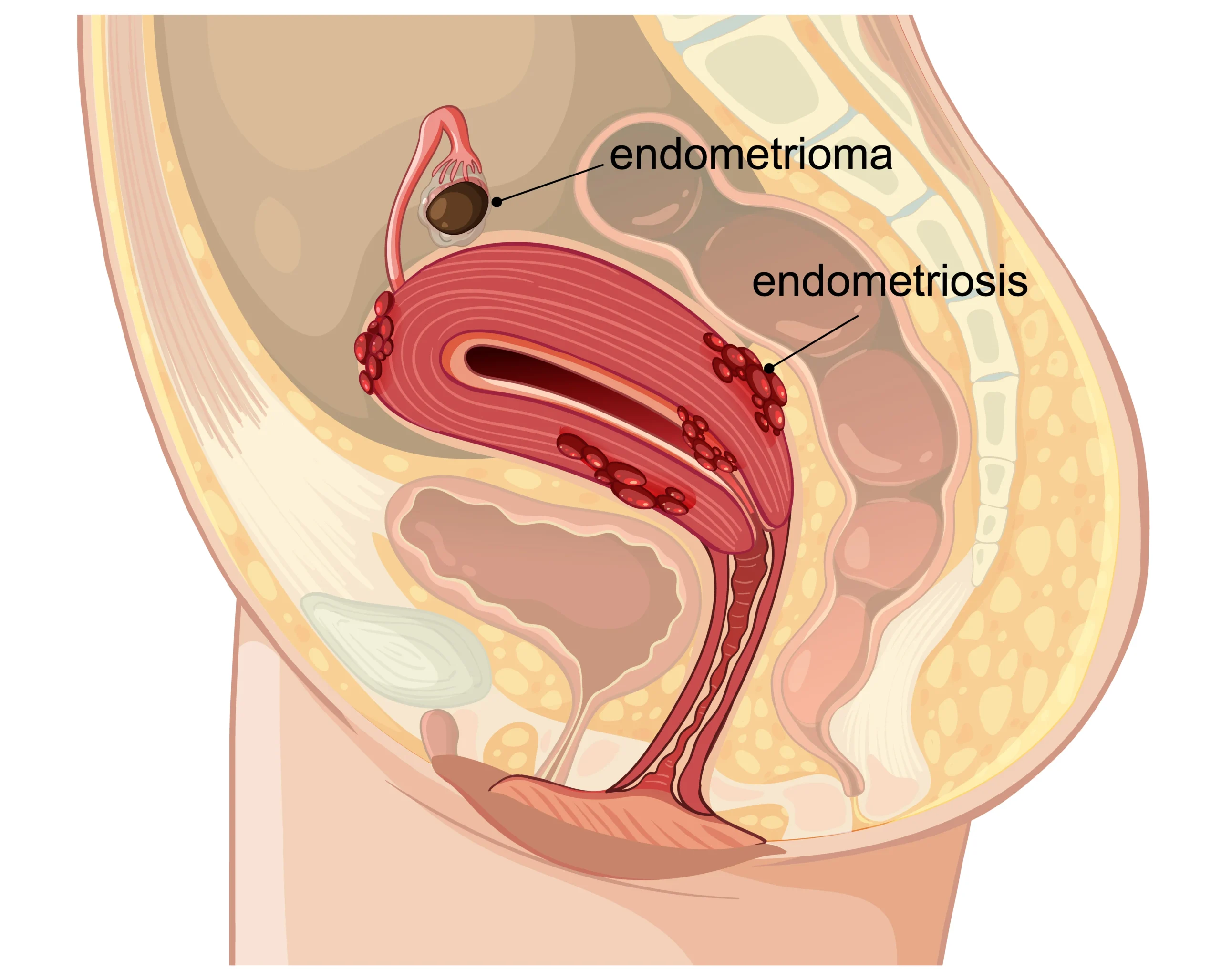
  • Endometriomas — linked to endometriosis, often called “chocolate cysts” due to their dark fluid content
  • Dermoid cysts — contain tissue like hair or skin; less common but may require removal

Most ovarian cysts cause no symptoms at all and are discovered during a routine pelvic exam or ultrasound. When symptoms do appear, they tend to include bloating, a dull ache on one side of the lower abdomen, or discomfort during periods or intercourse.

If you’re experiencing irregular or painful periods, an ovarian cyst may be contributing — and it’s worth getting checked.

What Are Uterine Fibroids?

Fibroids — medically known as leiomyomas or uterine fibroids — are solid, non-cancerous growths made of muscle and fibrous tissue that develop in or on the wall of the uterus. They are the most common benign tumour in women of reproductive age, with studies from India showing a prevalence of around 20% among women aged 30–39.

Unlike cysts, fibroids are solid (not fluid-filled) and grow in the uterus, not the ovaries. They can be as small as a seed or grow to the size of a grapefruit — and a woman can have more than one at a time.

Common fibroid symptoms include:

  • Heavy or prolonged menstrual bleeding (menorrhagia)
  • Pelvic pressure or fullness
  • Frequent urination or difficulty emptying the bladder
  • Lower back pain
  • Pain during intercourse
  • Anaemia from blood loss

Fibroids are strongly influenced by oestrogen levels, which is why they tend to grow during reproductive years and often shrink after menopause. Factors like obesity, Vitamin D deficiency, and a diet high in refined carbohydrates — all prevalent concerns in urban India — may increase the risk.

Ovarian Cysts vs Fibroids: The Key Differences

Here’s a simple breakdown of the difference between fibroids and ovarian cysts:

Ovarian Cysts Uterine Fibroids

Location

Ovaries Uterus

Composition

Fluid-filled Solid (muscle & fibrous tissue)
Who is affected Any age; common in reproductive years

Most common in women aged 30–50

Menstrual impact

Mild or none Often heavy, prolonged bleeding
Pain pattern One-sided, sudden if ruptured

Pelvic pressure, dull, persistent

Fertility impact

Can affect ovulation Can affect implantation

Resolves on its own?

Often yes (functional cysts)

Rarely without treatment

Diagnosed by Ultrasound ± CA-125 blood test

Ultrasound, MRI

One key distinguishing clue: pain location. Ovarian cyst pain tends to be felt on one specific side of the lower abdomen. Fibroid-related discomfort is usually more central — a heaviness or pressure across the pelvis rather than a sharp, localised ache.

Can You Have Both at the Same Time?

Yes — and it’s more common than many people realise. Ovarian cysts and uterine fibroids can coexist, and both are driven partly by hormonal imbalance, particularly elevated oestrogen levels. Women with conditions like PMOS (formerly PCOS), endometriosis, or obesity may be more prone to developing both simultaneously.

This overlap in causes is exactly why a thorough clinical evaluation — including a pelvic exam, ultrasound, and sometimes blood tests — is essential. Self-diagnosing based on symptoms alone is not reliable.

When Should You Worry? Red Flag Symptoms

Most ovarian cysts and many fibroids are manageable and not dangerous. However, certain symptoms should prompt you to seek care promptly:

See a doctor urgently if you experience:

  • Sudden, severe abdominal or pelvic pain — this could indicate a ruptured cyst or ovarian torsion (a medical emergency)
  • Heavy bleeding soaking through pads or tampons rapidly
  • Fever alongside pelvic pain
  • Significant bloating that doesn’t resolve
  • Difficulty urinating or a feeling of bladder pressure

See a doctor soon if you notice:

  • Periods consistently lasting more than 7 days
  • Anaemia symptoms (fatigue, dizziness, pallor) due to heavy bleeding
  • Difficulty conceiving — both conditions can impact fertility
  • Pelvic pain that disrupts daily life or sleep
  • Bloating or abdominal swelling that feels new or worsening

In India, a significant proportion of women delay seeking care because they normalise heavy bleeding or pelvic discomfort as “just periods.” This is something Dr. Anuja Ojha at CareForHer actively addresses — early diagnosis can make a significant difference in your treatment options and long-term outcomes. Regular routine check-ups and prevention care are the simplest way to catch these conditions before they escalate.

How Are They Diagnosed and Treated?

Diagnosis for both conditions typically starts with a pelvic exam followed by a transvaginal or abdominal ultrasound. An MRI may be ordered for fibroids before surgery. For suspicious cysts, a CA-125 blood test may be added to rule out malignancy — though a high CA-125 does not automatically mean cancer.

Treatment depends on size, symptoms, age, and whether you’re planning a pregnancy:

  • Watchful waiting — for small, asymptomatic cysts or fibroids; monitored with regular ultrasounds
  • Hormonal therapy — to manage symptoms and regulate oestrogen levels; explore Menopause & Hormonal Therapy options at CareForHer
  • Medication — pain management, iron supplements for anaemia, or hormonal drugs to shrink fibroids
  • Minimally invasive surgery — laparoscopy for cyst removal, or myomectomy for fibroids while preserving fertility; see our Gynaecological Surgeries & Procedures page for more
  • Hysterectomy — considered only in severe cases or when childbearing is complete

If pelvic pain is a persistent concern, our Pelvic Health & Urinary Disorders service can also provide specialist evaluation.

Getting the Right Diagnosis in Goregaon, Mumbai

If you’ve been experiencing any of the symptoms above — heavy periods, pelvic pain, unexplained bloating, or difficulty conceiving — the right next step is a proper gynaecological evaluation, not a Google search.

At Care For Her in Goregaon East, Dr. Anuja Ojha offers comprehensive assessment for ovarian cysts, uterine fibroids, and related conditions — with a patient-first approach, ultrasound facilities, and personalised treatment plans.

Book a consultation with Dr. Anuja Ojha — Gynaecologist in Goregaon East →

Frequently Asked Questions (FAQs)

Q1. What is the main difference between ovarian cysts and fibroids?

The key difference lies in location and composition. Ovarian cysts are fluid-filled sacs that develop on or inside the ovaries. Uterine fibroids are solid, non-cancerous growths made of muscle and fibrous tissue that form in or on the wall of the uterus. Despite overlapping symptoms like pelvic pain and bloating, they are distinct conditions requiring different management approaches.

Q2. Can ovarian cysts or fibroids cause infertility?

Yes, both conditions can affect fertility. Large ovarian cysts — particularly endometriomas — can disrupt ovulation. Fibroids, depending on their location and size, can interfere with embryo implantation or block the fallopian tubes. However, many women with either condition conceive successfully with the right treatment. Learn more about Infertility Treatment at CareForHer.

Q3. How do I know if my pelvic pain is from a cyst or a fibroid?

You can’t reliably tell from symptoms alone — an ultrasound is needed for a definitive answer. That said, one-sided lower abdominal pain is more characteristic of an ovarian cyst, while a dull, central pelvic pressure or heaviness is more typical of fibroids. Sudden, severe pain may indicate a ruptured cyst and requires urgent medical attention.

Q4. Do ovarian cysts go away on their own?

Functional ovarian cysts — the most common type — often resolve on their own within one to three menstrual cycles without treatment. However, other types (endometriomas, dermoid cysts) are unlikely to disappear without intervention. Your doctor will monitor cyst size and type with follow-up ultrasounds to guide the decision.

Q5. Are fibroids cancerous?

Uterine fibroids are almost always benign (non-cancerous). Malignant transformation — where a fibroid becomes cancerous — is extremely rare, occurring in less than 1 in 1,000 cases. However, any rapidly growing or unusual growth should be evaluated by a specialist to rule out other conditions.

Q6. At what age do fibroids and ovarian cysts typically appear?

Ovarian cysts can develop at any age but are most common during reproductive years. Fibroids are most frequently diagnosed in women between 30 and 50 years of age, with risk declining significantly after menopause. Women in their late 20s and 30s in particular should be proactive about routine gynaecological check-ups.

Q7. Can I have both ovarian cysts and fibroids at the same time?

Yes. Both conditions share hormonal risk factors — particularly elevated oestrogen — and can coexist in the same woman. Conditions like PMOS (formerly PCOS) and endometriosis can increase this likelihood. A comprehensive ultrasound evaluation is the only way to identify both accurately.

Citations & References

  1. Healthline. Fibroid vs Cyst: Symptoms, Causes, Diagnosis & Treatment. healthline.com 
  2. Business Standard Health. Ovarian cysts and fibroids: What experts want every woman to know. Published March 31, 2026. business-standard.com 
  3. Pristyn Care. Fibroids Vs Cyst — Key Differences, Symptoms & Treatments. Updated January 2026. pristyncare.com 
  4. HCA Midwest Health. Differences Between Uterine Fibroids and Ovarian Cysts. Published March 2026. hcamidwest.com 
  5. Mark Medical Care. Fibroids vs. Ovarian Cysts: How to Tell the Difference. Published March 2026. markmedicalcare.com 
  6. International Journal of Reproduction, Contraception, Obstetrics and Gynecology. Predictors and symptomatic burden of uterine fibroids among women in South-Eastern India. ijrcog.org 


PCOS renamed PMOS: What Changed, What Didn’t, and What It Means for You

If you’ve been living with PCOS — or have been trying to get a diagnosis — you may have recently heard a big piece of news: PCOS has officially been renamed PMOS. Published in The Lancet on May 12, 2026, this isn’t a rebranding exercise. It’s the result of over a decade of research, patient advocacy, and global scientific consensus involving more than 14,000 patients and healthcare professionals worldwide.

So what does this mean for you? Let’s break it down.

What Is PMOS? Understanding the New Name

PMOS stands for Polyendocrine Metabolic Ovarian Syndrome — and that name change is more meaningful than it looks.

The old name, polycystic ovary syndrome (PCOS), implied that the condition was primarily about ovarian cysts. The problem? Most women with this condition don’t actually have cysts. What they do have is a complex hormonal disorder that affects multiple systems — insulin regulation, androgen levels, the neuroendocrine system, metabolism, skin, mental health, and fertility.

The new name, PMOS, reflects all of that. “Polyendocrine” acknowledges that multiple hormonal systems are involved. “Metabolic” recognises the deep link to insulin resistance, blood sugar regulation, and weight. “Ovarian” keeps the reproductive component in the picture without reducing the entire condition to it.

Why Was the Name Changed? A Decade of Advocacy

The name change didn’t happen overnight. It followed an 11-year global effort — workshops, surveys, Delphi consensus methods, and input from 56 leading academic, clinical, and patient organisations. The final name was chosen from three candidates, with PMOS winning decisively.

The core problem with the old name was stigma and misdiagnosis. Women were told they “had cysts” when they didn’t. Symptoms like irregular periods, hair growth, weight gain, and infertility were often dismissed because they didn’t “look like” an ovarian disease. Nearly 70% of women with the condition had never received a diagnosis — a staggering figure for a condition affecting 1 in 8 women globally.

The new name aims to fix that at a systemic level — changing how the condition is classified in medical education, clinical guidelines, and international disease coding systems.

What Stays the Same: Your Symptoms, Your Diagnosis

Here’s the reassurance you need: your diagnosis is still valid. If you were diagnosed with PCOS, you now have PMOS. The diagnostic criteria — the Rotterdam criteria — remain in place during the transition period. The symptoms you experience haven’t changed; only the language used to describe and understand them has.

The common features of PMOS include:

  • Irregular or absent menstrual cycles — managed through Menstrual Disorder care
  • Elevated androgen levels (leading to acne, hair growth, or hair loss)
  • Insulin resistance and metabolic disruption
  • Difficulty with ovulation and fertility challenges
  • Mood changes and mental health impact
  • Weight changes and difficulty managing weight

If you’re already on a treatment plan — whether that’s hormonal therapy, metformin, lifestyle changes, or ovulation induction — nothing changes immediately. Your doctor will continue to guide your care as implementation of the new terminology rolls out over the next three years.

What’s Different: The Bigger Picture for Women’s Health

The name change matters beyond terminology. By framing PMOS as a metabolic and endocrine disorder, it shifts the focus from “ovary problem” to whole-body health. This has real implications:

More accurate diagnosis: Doctors looking for a hormonal and metabolic disorder are more likely to identify it earlier — even in women who don’t have visible ovarian changes.

Better long-term monitoring: PMOS is now formally linked to risks including type 2 diabetes, cardiovascular disease, depression, and pregnancy complications. This means more comprehensive routine health monitoring should become part of standard care.

Reduced stigma: The association with “cysts” and body image has long caused unnecessary shame. The new name centres the science, not a misleading anatomical image.

Adolescent recognition: Girls experiencing symptoms at puberty may now be identified earlier. Conditions affecting teenagers are part of dedicated adolescent and puberty care.

PCOD vs PCOS vs PMOS: Clearing the Confusion

In India, the terms PCOD and PCOS are often used interchangeably — though they differ in severity. With the introduction of PMOS, here’s a simple way to think about it:

  • PCOD — a milder hormonal imbalance with immature egg release; often manageable with lifestyle changes
  • PCOS/PMOS — a more complex, chronic endocrine and metabolic condition requiring long-term management

If you’ve been told you have PCOD, it’s worth speaking to your gynaecologist about whether a more complete hormonal evaluation is needed. At CareForHer, Dr. Anuja Ojha offers thorough assessment and personalised care for women in Goregaon, Mumbai and surrounding areas.

When Should You See a Doctor?

If you experience any of the following, consult a specialist:

  • Irregular periods or cycles longer than 35 days
  • Unexplained weight gain, particularly around the abdomen
  • Excess facial or body hair, or hair thinning on the scalp
  • Persistent acne that doesn’t respond to standard treatment
  • Difficulty conceiving

Don’t wait for symptoms to worsen. Early diagnosis and management of PMOS can significantly reduce the risk of long-term complications including diabetes and hormonal imbalances. You can also explore sexual and reproductive health services at our clinic for a holistic evaluation.

Book a consultation with Dr. Anuja Ojha at Care For Her, Goregaon East — a trusted gynaecologist in Goregaon, Mumbai with 20 years of experience in women’s hormonal and reproductive health.

Frequently Asked Questions (FAQs)

Q1. Is PMOS the same as PCOS?

Yes. PMOS (Polyendocrine Metabolic Ovarian Syndrome) is the new official name for what was previously called PCOS (Polycystic Ovary Syndrome). The condition, symptoms, and diagnostic criteria remain the same. Only the name and its framing have changed to better reflect the condition’s true nature.

Q2. Why was PCOS renamed to PMOS?

The old name was scientifically inaccurate — most women with PCOS do not have ovarian cysts. The term also failed to capture the metabolic and hormonal complexity of the condition, leading to delayed diagnoses and inadequate treatment. After an 11-year global process involving over 14,000 people, PMOS was chosen as the more accurate and comprehensive name.

Q3. Do I need a new diagnosis if I already have PCOS?

No. Your existing diagnosis carries over automatically. There is a three-year transition period during which both names will be used in clinical settings, so you may see both terms in medical records and prescriptions.

Q4. Does the name change affect my treatment plan?

Not immediately. Current treatments  including hormonal therapy, insulin sensitisers like metformin, lifestyle interventions, and ovulation induction — remain the same. However, the broader framing of PMOS may lead to more comprehensive long-term monitoring, especially for metabolic and cardiovascular health.

Q5. What does PMOS full form mean?

PMOS stands for Polyendocrine Metabolic Ovarian Syndrome. “Polyendocrine” refers to involvement of multiple hormonal systems; “Metabolic” highlights the insulin and metabolic dysfunction central to the condition; “Ovarian” acknowledges its impact on reproductive function.

Q6. Can PMOS affect fertility?

Yes. PMOS is one of the leading causes of ovulatory infertility. However, with the right diagnosis and treatment, many women with PMOS conceive successfully. Learn more about Infertility Treatment at CareForHer.

Citations & References

    1. Teede HJ, Bahri Khomami M, Morman R, et al. Polyendocrine metabolic ovarian syndrome, the new name for polycystic ovary syndrome: a multistep global consensus process. The Lancet. Published online May 12, 2026. doi:10.1016/S0140-6736(26)00717-8
    2. Endocrine Society. Polyendocrine Metabolic Ovarian Syndrome: New name to improve diagnosis and care of condition affecting 170 million women worldwide. Published May 12, 2026. endocrine.org
    3. University of Colorado Anschutz Medical Campus. Global Experts Rename Polycystic Ovary Syndrome (PCOS). Published May 2026. news.cuanschutz.edu
    4. STAT News. PCOS is now called PMOS. The renaming process lasted a decade. Published May 12, 2026. statnews.com
    5. The Conversation. From PCOS to PMOS: What the name change to polyendocrine metabolic ovarian syndrome means for women’s health. Published May 2026. theconversation.com


What Is STI (Sexually Transmitted Infection)? Signs, Testing & Treatment for Women

Sexual health is an essential part of overall well-being, yet it is often overlooked due to stigma or lack of awareness. Understanding STI and how it affects women is crucial for early diagnosis, treatment, and prevention. In this blog, we will break down what is sexually transmitted infections, their symptoms, testing options, and sexually transmitted infection treatment in a simple, clear manner.

What Is STI (Sexually Transmitted Infection)?

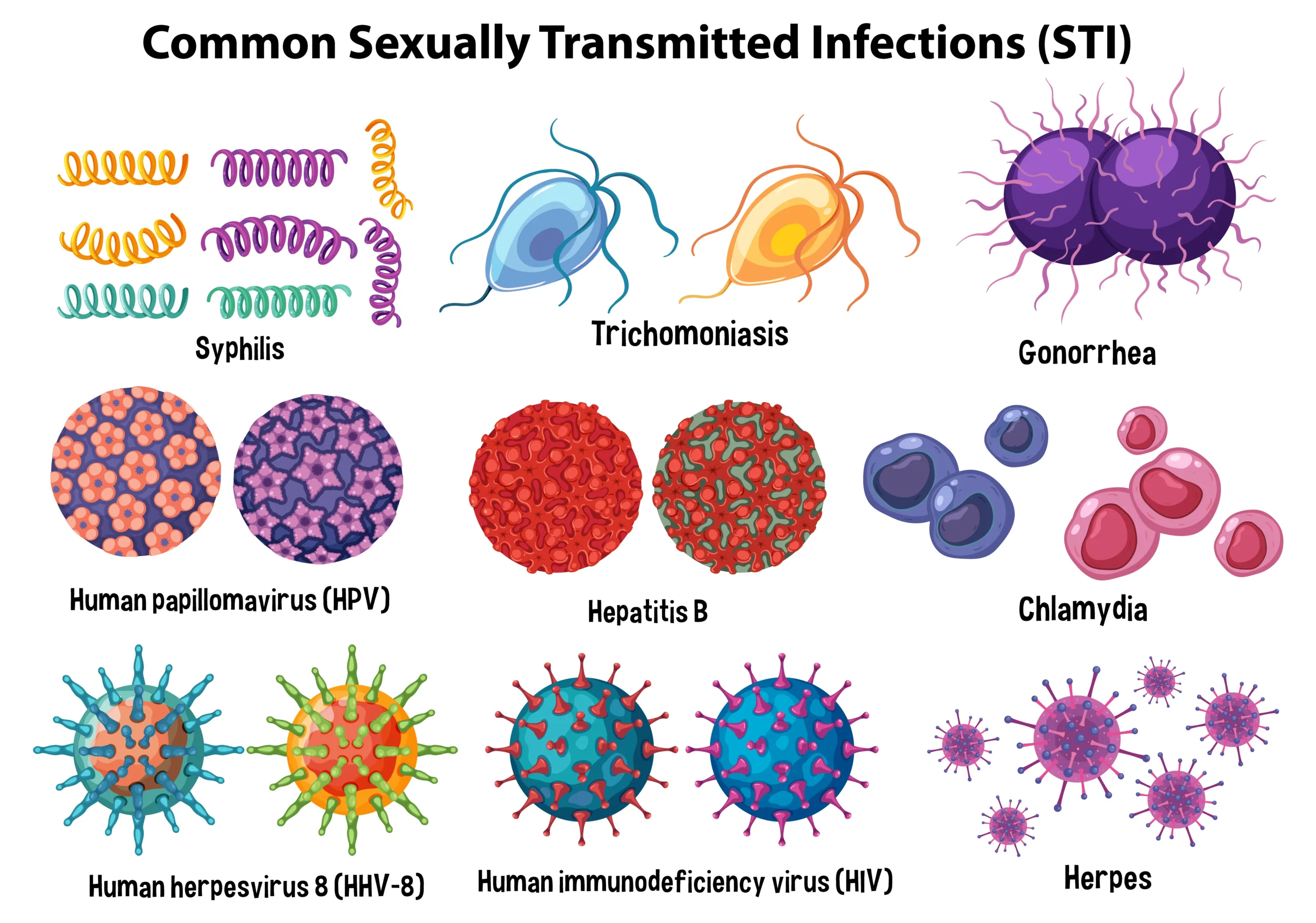
STI refers to infections that are primarily spread through sexual contact, including vaginal, oral, or anal sex. These infections are caused by bacteria, viruses, or parasites and can affect anyone who is sexually active.

When we talk about what is sexually transmitted infections, we are referring to a wide range of conditions such as chlamydia, gonorrhea, human papillomavirus (HPV), herpes, and HIV. Many sexually transmitted infections may not show symptoms initially, making regular screening extremely important.

Understanding what is sexually transmitted infections helps women take proactive steps toward maintaining reproductive and overall health.

Common Sexually Transmitted Infections in Women

Sexually transmitted infections in women can sometimes present differently than in men. In many cases, women may experience subtle or no symptoms, which increases the risk of complications if left untreated.

Some common sexually transmitted infections in women include:

  • Chlamydia
  • Gonorrhea
  • HPV (Human Papillomavirus)
  • Herpes Simplex Virus
  • HIV/AIDS
  • Trichomoniasis

Sexually transmitted infections in women can affect the reproductive system and may lead to conditions like pelvic inflammatory disease (PID), infertility, or complications during pregnancy if not treated on time.

Signs of Sexually Transmitted Infections

Recognizing the signs of sexually transmitted infections is key to early diagnosis and treatment. However, it is important to note that many STI cases may be asymptomatic.

Common signs of sexually transmitted infections include:

  • Unusual vaginal discharge
  • Burning sensation during urination
  • Pain during intercourse
  • Lower abdominal pain
  • Sores, bumps, or rashes in the genital area
  • Irregular bleeding between periods

Since these signs of sexually transmitted infections can overlap with other conditions, it is essential to consult a gynecologist for proper diagnosis.

How Are Sexually Transmitted Infections Diagnosed?

Early detection plays a major role in managing sexually transmitted infections. Testing is simple, confidential, and widely available.

Diagnosis methods include:

  • Blood tests (for HIV, syphilis)
  • Urine tests (for chlamydia and gonorrhea)
  • Swab tests from the cervix or vagina
  • Pap smear (for detecting HPV-related changes)

Women who are sexually active, have multiple partners, or are planning pregnancy should consider regular STI screening. Timely diagnosis of sexually transmitted infections in women helps prevent long-term complications.

Sexually Transmitted Infection Treatment Options

Sexually transmitted infection treatment depends on the type of infection.

  • Bacterial infections (like chlamydia and gonorrhea) are treated with antibiotics
  • Viral infections (like herpes and HIV) are managed with antiviral medications
  • Parasitic infections (like trichomoniasis) are treated with specific medications

Sexually transmitted infection treatment is most effective when started early. It is also important that both partners get treated to avoid reinfection.

Completing the full course of prescribed medication is crucial for successful sexually transmitted infection treatment.

Can STI Be Prevented?

Yes, STI prevention is possible with the right precautions:

  • Use protection such as condoms during sexual activity
  • Maintain a mutually monogamous relationship
  • Get vaccinated (HPV vaccine)
  • Undergo regular screenings
  • Avoid sharing personal hygiene items

Being informed about sexually transmitted infections and taking preventive steps can significantly reduce the risk.

When Should You See a Doctor?

You should consult a gynecologist if you:

  • Notice any unusual symptoms
  • Have had unprotected sex
  • Have multiple sexual partners
  • Are planning a pregnancy
  • Have a partner diagnosed with STI

Even if you feel completely fine, routine screening for sexually transmitted infections is recommended for sexually active women.

FAQs

  1. What is STI and how does it spread?

    STI refers to infections transmitted through sexual contact. They spread via vaginal, oral, or anal sex with an infected partner.

  2. Are sexually transmitted infections always symptomatic?

    No, many sexually transmitted infections may not show symptoms, especially in women, which is why regular testing is important.

  3. How often should women get tested for STI?

    Sexually active women should get tested at least once a year, or more frequently if they have multiple partners.

  4. Can sexually transmitted infections in women affect fertility?

    Yes, untreated sexually transmitted infections in women can lead to pelvic inflammatory disease and infertility.

  5. Is sexually transmitted infection treatment effective?

    Yes, most sexually transmitted infection treatment options are highly effective, especially when diagnosed early.

  6. Can STI be cured completely?

    Some STI, like bacterial infections, can be cured. Viral infections can be managed but may not be completely eliminated.

  7. Is it safe to get pregnant if I have an STI?

    It depends on the type of infection. Proper sexually transmitted infection treatment and medical guidance are necessary before planning pregnancy.

Why Choose Us?

Choose Care For Her as your trusted partner in women’s health. Led by Dr. Anuja Ojha, a dedicated and compassionate obstetrician and gynecologist, we offer personalized care through every stage of womanhood from adolescence to pregnancy, and beyond. Our patient-first approach ensures you receive empathetic guidance, advanced medical expertise, and holistic care in a comfortable environment. Whether it’s routine check-ups, fertility consultations, or pregnancy care, we’re here to support your journey with trust and transparency. To learn more, contact us at 7400424637 or visit www.careforher.in

References

  1. https://www.who.int/news-room/fact-sheets/detail/sexually-transmitted-infections-(stis) 
  2. https://www.cdc.gov/std/default.htm
  3. https://www.nhs.uk/conditions/sexually-transmitted-infections-stis/

What is Endometriosis? Symptoms, Causes & Treatment

Endometriosis is a common yet often misunderstood gynecological condition that affects millions of women worldwide. Despite its prevalence, many women go undiagnosed for years due to lack of awareness and overlapping symptoms. Understanding what is endometriosis is the first step toward timely diagnosis and effective management.

What is Endometriosis?

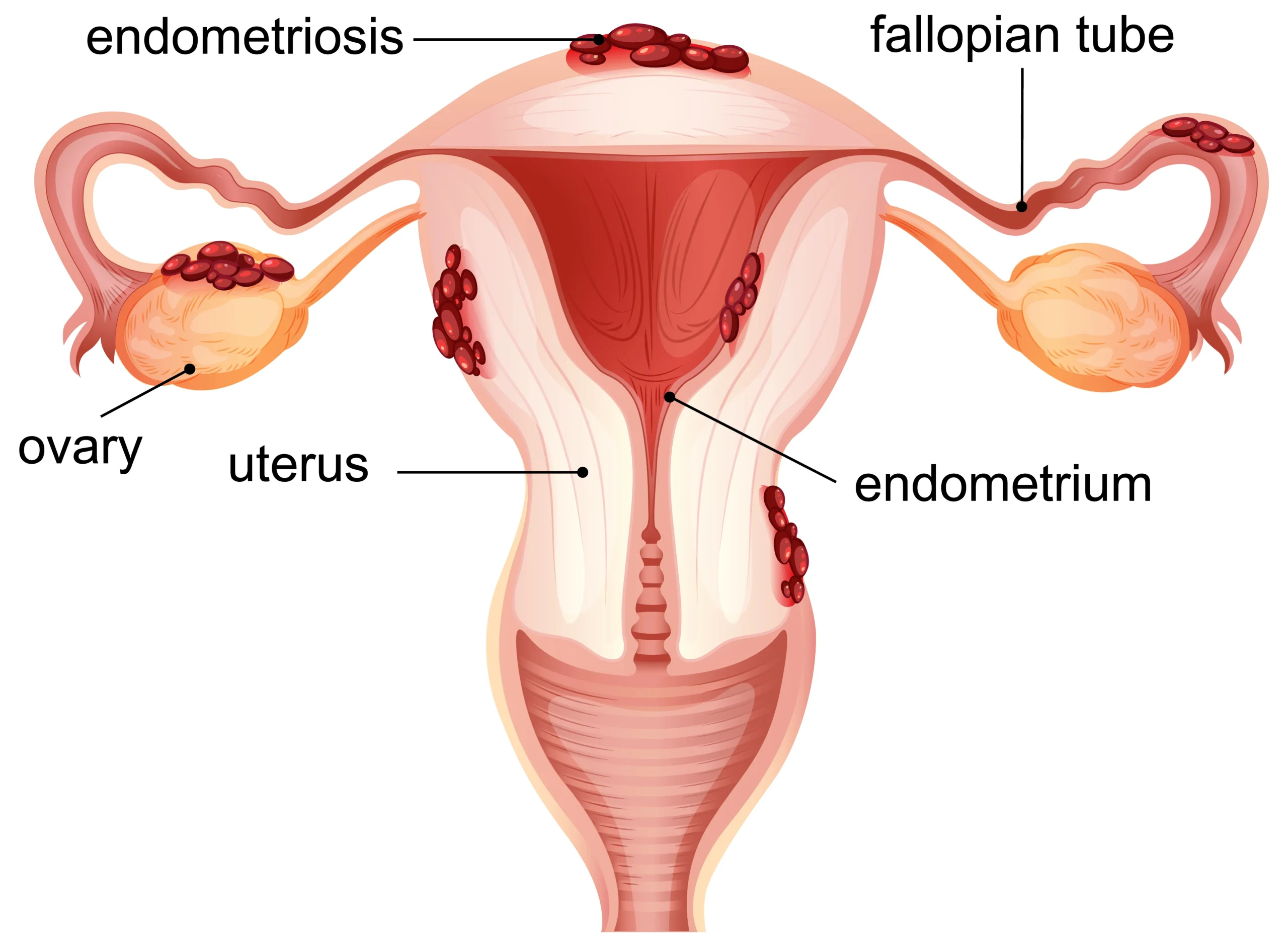
To understand the endometriosis meaning, it helps to first know how the uterus functions. The inner lining of the uterus, called the endometrium, thickens every month and sheds during menstruation.

Endometriosis is a condition where tissue similar to this lining grows outside the uterus, commonly on the ovaries, fallopian tubes, and pelvic lining. This misplaced tissue behaves like normal endometrial tissue—it thickens, breaks down, and bleeds during each cycle—but has no way to exit the body. This leads to inflammation, pain, and sometimes scar tissue formation.

In simple terms, the endometriosis meaning refers to the presence of uterine-like tissue outside the uterus, causing chronic pelvic discomfort and reproductive challenges.

Endometriosis Symptoms

Recognizing endometriosis symptoms early can make a significant difference in managing the condition. Symptoms can vary from mild to severe and may differ from person to person.

Common endometriosis symptoms include:

  • Severe menstrual cramps that worsen over time
  • Chronic pelvic pain even outside periods
  • Pain during or after sexual intercourse
  • Painful bowel movements or urination, especially during periods
  • Heavy menstrual bleeding or spotting between cycles
  • Difficulty getting pregnant

Some women may experience minimal discomfort despite having advanced endometriosis, while others may have intense pain even in mild cases. This variability often delays diagnosis.

Endometriosis Causes

The exact endometriosis causes are still not fully understood, but several theories have been proposed by medical experts.

Possible endometriosis causes include:

  • Retrograde menstruation (menstrual blood flowing backward into the pelvic cavity)
  • Genetic factors (family history increases risk)
  • Immune system dysfunction
  • Hormonal imbalances, especially involving estrogen
  • Surgical procedures that may transfer endometrial cells

While these factors may contribute, no single explanation fully accounts for all cases. Understanding endometriosis causes helps doctors tailor treatment strategies more effectively.

Diagnosis of Endometriosis

Diagnosing endometriosis can be challenging because its symptoms often mimic other conditions like pelvic inflammatory disease or irritable bowel syndrome.

Doctors typically use:

  • Detailed medical history and symptom tracking
  • Pelvic examination
  • Imaging tests like ultrasound or MRI
  • Laparoscopy, a minimally invasive surgical procedure, which is considered the gold standard for confirming endometriosis

Early diagnosis plays a crucial role in preventing complications and improving quality of life.

Endometriosis Treatment

When it comes to endometriosis treatment, the approach depends on the severity of symptoms, age, and reproductive goals.

Common endometriosis treatment options include:

  • Pain management with medications such as NSAIDs
  • Hormonal therapy to control the menstrual cycle and reduce tissue growth
  • Birth control pills, hormonal IUDs, or GnRH agonists
  • Surgical treatment to remove endometrial tissue
  • Fertility treatments for women facing difficulty conceiving

Endometriosis treatment aims to reduce pain, slow disease progression, and improve fertility where needed. In many cases, a combination of treatments is recommended.

Living with Endometriosis

Living with endometriosis can be physically and emotionally challenging. Chronic pain and fertility concerns can impact mental well-being and daily life.

Lifestyle changes that may help include:

  • Regular exercise to reduce inflammation
  • Maintaining a balanced diet
  • Stress management techniques like yoga or meditation
  • Seeking support from healthcare providers or support groups

Understanding the endometriosis meaning and its long-term impact empowers women to seek timely care and advocate for their health.

When to See a Gynecologist

You should consult a gynecologist if you experience:

  • Persistent pelvic pain
  • Severe menstrual cramps that interfere with daily activities
  • Unexplained infertility
  • Symptoms that worsen over time

Early intervention can significantly improve outcomes and reduce complications associated with endometriosis.

FAQs

1. What is endometriosis and is it serious?

What is endometriosis refers to a condition where tissue similar to the uterine lining grows outside the uterus. It can be serious if left untreated, as it may cause chronic pain and fertility issues.

2. What are the most common endometriosis symptoms?

The most common endometriosis symptoms include pelvic pain, painful periods, heavy bleeding, and pain during intercourse.

3. What are the main endometriosis causes?

The exact endometriosis causes are unclear, but factors like retrograde menstruation, genetics, and hormonal imbalance play a role.

4. Can endometriosis be cured?

There is no permanent cure, but effective endometriosis treatment can manage symptoms and improve quality of life.

5. Does endometriosis affect fertility?

Yes, endometriosis can impact fertility, but many women can conceive with proper treatment and medical support.

6. How is endometriosis diagnosed?

Diagnosis involves imaging tests and sometimes laparoscopy to confirm the presence of abnormal tissue growth.

7. Is endometriosis a lifelong condition?

Endometriosis can be chronic, but symptoms can be managed effectively with the right treatment plan.

Why Choose Us?

Choose Care For Her as your trusted partner in women’s health. Led by Dr. Anuja Ojha, a dedicated and compassionate obstetrician and gynecologist, we offer personalized care through every stage of womanhood from adolescence to pregnancy, and beyond. Our patient-first approach ensures you receive empathetic guidance, advanced medical expertise, and holistic care in a comfortable environment. Whether it’s routine check-ups, fertility consultations, or pregnancy care, we’re here to support your journey with trust and transparency. To learn more, contact us at 7400424637 or visit www.careforher.in

References

Importance of Regular Gynaecological Check-Ups

When was the last time you visited a gynaecologist — not because something was wrong, but simply to make sure everything was right? For many women, a gynaecological check-up only happens when a problem forces them through the door. But here is the reality: some of the most serious gynaecological conditions — including ovarian cysts, fibroids, PCOS, and early-stage cervical cancer — develop without any obvious symptoms. By the time discomfort or complications appear, the condition may already be significantly advanced.

Preventive care is not a luxury. It is one of the most powerful things a woman can do for her long-term health. In this blog, we explain why regular gynaecological check-ups are essential, what they involve, and how often you should be going — at every stage of life.

What Is a Gynaecological Check-Up?

A routine gynaecology visit is a comprehensive health assessment focused on a woman’s reproductive and gynaecological well-being. It is not just for women who are pregnant, trying to conceive, or experiencing symptoms. It is for every woman, every year.

A standard check-up at Care For Her typically includes:

  • A detailed review of your medical history, menstrual cycle, and any current symptoms
  • A pelvic examination to assess the uterus, cervix, ovaries, and vagina
  • A Pap smear test for cervical cancer screening (recommended every 3 years from age 21)
  • A clinical breast examination to check for any abnormal lumps or changes
  • Blood pressure, BMI, and basic health indicators
  • Discussion on contraception, family planning, menstrual concerns, or any reproductive health questions you may have

Why Is the Importance of Gynaecological Check-Ups So Often Underestimated?

In India, many women delay or avoid gynaecological visits due to cultural taboos, embarrassment, or the assumption that if they feel fine, nothing is wrong. This mindset is one of the biggest barriers to early diagnosis and preventive women’s health care.

The truth is, conditions like PCOS, endometriosis, fibroids, and even early cervical cancer can be entirely silent for months or years. Reproductive health screening is the only way to catch these early — when they are most treatable and least disruptive to your life.

Key Benefits of Regular Gynaecological Check-Ups

1. Early Detection of Silent Conditions

Many gynaecological conditions have no early warning signs. Ovarian cyst detection, fibroid monitoring, and early identification of endometriosis are only possible through a pelvic examination or ultrasound performed during a routine visit. Catching these conditions early prevents complications such as infertility, chronic pain, or the need for complex surgery. If you have been experiencing unexplained pelvic discomfort, our pelvic health & urinary disorder services can help identify the root cause.

2. Cervical Cancer Screening — A Potential Life-Saver

India has one of the highest rates of cervical cancer in the world — and yet it is almost entirely preventable when caught early. A Pap smear test detects precancerous cells in the cervix before they develop into cancer. When identified at this stage, treatment is straightforward and highly effective. This single test, done every 3 years as part of your annual gynaecology check-up, can genuinely save your life. Our routine checkups & preventive care programme includes Pap smear testing and cervical cancer screening as standard.

3. PCOS and Hormonal Disorder Diagnosis

PCOS (Polycystic Ovary Syndrome) affects an estimated 1 in 5 women in India, yet a significant number remain undiagnosed for years. PCOS early diagnosis through blood tests and ultrasound — part of a routine gynaecology visit — allows for timely management that reduces long-term risks such as diabetes, infertility, and cardiovascular disease. If you have been experiencing irregular periods, unexplained weight gain, or hormonal skin changes, do not wait for symptoms to worsen. Our menstrual disorder management team is equipped to diagnose and manage PCOS and other hormonal conditions effectively.

4. Breast Health Monitoring

A clinical breast examination by a gynaecologist is an important component of your annual check-up. Breast cancer is the most common cancer among Indian women, and early detection dramatically improves outcomes. Your gynaecologist can identify unusual lumps, skin changes, or nipple discharge that warrant further investigation — often before a woman notices anything herself.

5. Menstrual Health and Fertility Assessment

Heavy periods, irregular cycles, painful menstruation, or absent periods are not things to simply ‘manage’ — they are signals worth investigating. A regular gynaecological check-up creates an opportunity to address these concerns before they affect your fertility or quality of life. If you are planning to conceive, your gynaecologist can also assess your reproductive health and address any underlying conditions early. Our infertility treatment and contraception & family planning services support women at every stage of this journey.

6. Menopause and Post-Reproductive Health

The importance of gynaecological check-ups does not diminish after menopause — it increases. Post-menopausal women are at higher risk for endometrial cancer, osteoporosis, and cardiovascular disease. Regular visits allow your gynaecologist to monitor hormonal health, manage symptoms like hot flashes and vaginal dryness, and recommend appropriate hormone replacement therapy if needed. Our menopause & hormonal therapy services are designed for exactly this stage of a woman’s life.

How Often Should You Have a Gynaecological Check-Up?

The right frequency depends on your age and health history. Here is a general guide:

  • Adolescents (13–18 years): Initial visit for menstrual concerns, puberty guidance, and education. See our adolescent & puberty-related care services.
  • Women aged 18–30: Annual check-up, Pap smear from age 21, STI screening if sexually active
  • Women aged 30–50: Annual check-up, Pap smear every 3 years, breast examination, PCOS/fibroid monitoring
  • Women aged 50 and above: Annual check-up, cervical and breast cancer screening, bone density assessment, menopause management

Women with existing conditions such as PCOS, endometriosis, fibroids, or a history of abnormal Pap smear results may need more frequent routine gynaecology visits. Your gynaecologist at Care For Her will build a personalised screening schedule around your specific needs.

There Is No ‘Right Age’ to Start — But the Sooner, the Better

One of the most common questions women ask is: ‘Do I really need a gynaecological check-up if I feel perfectly fine?’ The answer is always yes. Women’s preventive health care is not reactive — it is proactive. The best time to start is before something goes wrong. The second best time is right now.

If you are in Goregaon or Mumbai and have been putting off your annual gynaecology check-up, let this be the nudge you need. Book a consultation at Care For Her — a trusted women’s health clinic in Goregaon — and take the first step towards informed, proactive care for your body.

Frequently Asked Questions (FAQs)

1. How often should a woman have a gynaecological check-up?

Most women should have an annual gynaecological check-up. Women with specific health concerns — such as PCOS, fibroids, or a history of abnormal Pap smears — may need more frequent visits. Your gynaecologist will personalise the schedule based on your age and health history.

2. At what age should a woman start seeing a gynaecologist?

Women can start from adolescence — ideally between 13 and 18 years — especially for menstrual concerns or puberty-related questions. Routine Pap smear screenings begin at age 21. Our adolescent & puberty-related care services are specifically designed to make young women feel comfortable and informed.

3. What happens during a routine gynaecological check-up?

A routine visit typically includes a medical history review, pelvic examination, Pap smear (if due), breast examination, blood pressure check, and an open discussion about any menstrual, hormonal, or reproductive health concerns. It is confidential, compassionate, and entirely focused on your well-being.

4. Is a check-up necessary if I have no symptoms?

Absolutely yes. Conditions like ovarian cysts, fibroids, PCOS, and early cervical cancer often show no symptoms in their early stages. A routine gynaecological check-up is the only reliable way to detect these before they become more serious — or harder to treat.

5. Do I need to see a gynaecologist after menopause?

Yes. Post-menopausal women remain at risk for endometrial and ovarian cancer, osteoporosis, and cardiovascular issues. Regular check-ups help monitor these risks and manage symptoms of menopause effectively. Our menopause & hormonal therapy team can guide you through this transition with personalised, evidence-based care.

6. Can I visit a gynaecologist if I am not sexually active?

Yes, absolutely. Gynaecological care is for all women regardless of sexual activity. Hormonal imbalances, menstrual disorders, PCOS, and pelvic conditions can affect any woman at any age. A gynaecologist is your reproductive health partner — not just someone to see after becoming sexually active.

Why Choose Us?

Choose Care For Her as your trusted partner in women’s health. Led by Dr. Anuja Ojha, a dedicated and compassionate obstetrician and gynecologist, we offer personalized care through every stage of womanhood — from adolescence to pregnancy, and beyond. Our patient-first approach ensures you receive empathetic guidance, advanced medical expertise, and holistic care in a comfortable environment. Whether it’s routine check-ups, fertility consultations, or pregnancy care, we’re here to support your journey with trust and transparency.

To learn more, contact us at 7400424637 or visit www.careforher.in

References & Citations

  1. ACOG — Well-Woman Visit Recommendations
  2. WHO — Cervical Cancer Screening & Prevention
  3. Mayo Clinic — Pelvic Exam: What to Expect
  4. NCBI / PMC — Gynaecological Practice in India — A Review
  5. NHS UK — Cervical Screening (Smear Test) — Overview

Menstrual Hygiene: 7 Common Mistakes You Might Still Be Making

We talk a lot about what to do during your period — but rarely about what not to do. The truth is, many women unknowingly follow period hygiene habits that could be putting their health at risk. Some of these habits are things we picked up from family, others are myths that circulated as facts. Regardless of where they came from, poor menstrual hygiene practices are one of the leading causes of reproductive tract infections, urinary tract infections, and other gynaecological issues in women.

This blog is not about judgment — it is about awareness. Here are seven common period hygiene mistakes that are still very much happening, and what you should do instead.

Mistake 1: Not Changing Your Sanitary Pad Frequently Enough

One of the most common period hygiene mistakes is leaving a sanitary pad on for too long. Many women wait until a pad feels completely soaked before changing it — but this is not the right approach. Even on lighter flow days, a pad should be changed every 4 to 6 hours.

The warm, moist environment of a used pad is the perfect breeding ground for bacteria. Wearing a pad for too long increases your risk of skin rashes, unpleasant odour, and more seriously, reproductive tract and urinary tract infections. The correct sanitary pad changing frequency is every 4 to 6 hours — regardless of how light your flow is that day.

Mistake 2: Using Scented Pads, Tampons, or Intimate Washes

Scented period products might seem like a good idea for managing odour, but they can do more harm than good. The vaginal area is extremely sensitive, and the fragrances, dyes, and chemicals used in scented sanitary products can disrupt the natural vaginal pH balance during periods, cause irritation, and trigger allergic reactions or infections.

The same goes for scented intimate washes used during menstruation. The vagina is self-cleaning — it does not need soap, especially not scented soap. Wash only the external vulvar area with plain warm water. If you experience persistent odour despite good menstrual hygiene practices, it is worth speaking to a gynaecologist as it could signal an underlying infection.

Mistake 3: Wearing the Same Tampon or Menstrual Cup Too Long

Tampons should be changed every 4 to 8 hours — never left in for more than 8 hours. Leaving a tampon in longer than recommended increases the risk of Toxic Shock Syndrome (TSS), a rare but serious bacterial infection. Similarly, while menstrual cup hygiene allows for up to 8 to 12 hours of use, the cup must be rinsed with clean water each time it is emptied and sterilised with boiling water before and after each cycle.

Always wash your hands thoroughly before inserting or removing any internal menstrual product. This single step prevents a significant number of infections.

Mistake 4: Washing the Inside of the Vagina (Douching)

Douching — rinsing inside the vagina with water, vinegar, or any other solution — is one of the most harmful menstrual hygiene habits that many women still follow, often passed down as a hygiene tip. In reality, douching disrupts the natural bacterial balance of the vagina, destroys the good bacteria (Lactobacillus) that protect it, and significantly raises the risk of bacterial vaginosis, yeast infections, and even pelvic inflammatory disease.

The vagina maintains its own healthy environment. Your only job is to wash the external vulva gently with water. If you are concerned about vaginal health or recurring infections, a sexual & reproductive health consultation is the right place to start — not douching.

Mistake 5: Ignoring Period Rashes and Skin Irritation

Period rashes are more common than most women realise. They are typically caused by prolonged contact with a wet pad, friction, or sensitivity to the materials in disposable products. Many women either ignore the discomfort or assume it is normal. It is not something to push through silently.

If you experience recurring period rash causes such as redness, itching, or skin irritation around the vulva or inner thighs during your period, consider switching to a different brand, trying cloth pads, or using period underwear designed for sensitive skin. Keeping the area clean and dry, and changing products frequently, goes a long way. Persistent rashes or itching should be evaluated by a gynaecologist, as they can sometimes indicate a skin condition or infection.

Mistake 6: Improper Disposal of Menstrual Products

Flushing sanitary pads or tampons down the toilet is both an environmental hazard and a common plumbing problem. More importantly from a hygiene perspective, improperly discarded menstrual products can spread bacteria and create health risks — especially in shared or public bathrooms.

Always wrap used pads or tampons in paper or their original wrapper before placing them in a dustbin. Do not flush them. This is one of those basic menstrual hygiene tips that is easy to overlook but important to follow consistently.

Mistake 7: Not Paying Attention to Changes in Your Period

Perhaps the most overlooked aspect of menstrual health is simply paying attention. Many women normalise symptoms that are actually worth investigating — very heavy bleeding, periods lasting more than 7 days, severe cramps, unusual discharge during menstruation, or cycles that are consistently irregular.

These can be signs of underlying conditions such as fibroids, endometriosis, PCOS, or hormonal imbalances. Ignoring them does not make them go away — it allows them to progress. Our menstrual disorder management services are specifically designed to help women understand, track, and address menstrual health concerns with the right clinical support.

If you are a young woman or teenager navigating your period for the first time, our adolescent & puberty-related care programme provides age-appropriate guidance to help you build healthy habits from the start.

Quick Menstrual Hygiene Tips Recap

  • Change your pad every 4–6 hours — regardless of flow
  • Use unscented products only — inside and outside
  • Follow tampon/cup time limits — never exceed 8 hours for tampons, 12 for cups
  • Never douche — the vagina cleans itself
  • Address period rashes promptly — do not normalise discomfort
  • Dispose of products properly — wrap and bin, never flush
  • Track your cycle — note any changes and speak to a gynaecologist if concerned

If you have any concerns about your menstrual health, do not wait. Early intervention is always easier — and more effective — than treating a problem that has been ignored for months. Book a routine checkup at Care For Her in Goregaon, Mumbai. As a dedicated women’s health clinic in Goregaon, we are here to support your reproductive health at every stage of life.

Frequently Asked Questions (FAQs)

1. How often should you change your sanitary pad?

You should change your pad every 4 to 6 hours, even on lighter days. Leaving a pad on too long creates a warm, moist environment that encourages bacterial growth and increases your risk of infection, odour, and skin rashes.

2. Is it safe to use scented sanitary products?

No. Scented pads, tampons, and intimate washes contain fragrances and chemicals that can irritate the vaginal area and disrupt its natural pH. Always opt for unscented, plain products and wash the external area with water only.

3. Can poor menstrual hygiene lead to infections?

Yes. Poor menstrual hygiene is a significant cause of reproductive tract infections (RTIs) and UTIs in women. Simple habits — changing products on time, washing hands before and after, and proper disposal — can substantially reduce your risk. If you experience recurring infections, consult our menstrual disorder management team for evaluation.

4. Is it necessary to use soap to wash the vaginal area during periods?

Absolutely not. The vagina is self-cleaning and does not require soap — especially not inside. Use plain warm water to clean only the external vulvar area. Soap, especially scented varieties, can kill protective bacteria and cause imbalances that lead to infections.

5. How long can I wear a menstrual cup?

Most menstrual cups can be safely worn for 8 to 12 hours depending on your flow. You must empty and rinse the cup with clean water each time, wash your hands before handling it, and sterilise the cup by boiling it before and after each cycle.

6. When should I see a gynaecologist about my period?

You should see a gynaecologist if you notice heavy bleeding that soaks through a pad in under 2 hours, periods lasting longer than 7 days, severe or debilitating cramps, irregular cycles for 3 or more consecutive months, or unusual discharge or pain. These symptoms deserve professional attention, not just a wait-and-watch approach. Visit us at Care For Her or book a routine checkup today.

Why Choose Us?

Choose Care For Her as your trusted partner in women’s health. Led by Dr. Anuja Ojha, a dedicated and compassionate obstetrician and gynecologist, we offer personalized care through every stage of womanhood — from adolescence to pregnancy, and beyond. Our patient-first approach ensures you receive empathetic guidance, advanced medical expertise, and holistic care in a comfortable environment. Whether it’s routine check-ups, fertility consultations, or pregnancy care, we’re here to support your journey with trust and transparency.

To learn more, contact us at 7400424637 or visit www.careforher.in

References & Citations

  1. WHO — Menstrual Hygiene Management
  2. NHS UK — Period Hygiene & Health
  3. Mayo Clinic — Toxic Shock Syndrome (TSS)
  4. NCBI / PMC — Menstrual Hygiene Practices in India — A Review
  5. UNICEF — Menstrual Hygiene: Breaking the Barriers

Vaginal Discharge: What’s Normal and What’s Not?

Vaginal discharge is something most women experience throughout their lives — yet it remains one of the most misunderstood and under-discussed aspects of women’s health. Many women feel anxious when they notice discharge, unsure of whether it is a sign of something serious or simply their body working as it should. The truth is that vaginal discharge is completely natural and actually plays an important role in maintaining vaginal health. But there are times when changes in your discharge can signal that something needs attention.

In this blog, Dr. Anuja Ojha at Care For Her breaks down what normal vaginal discharge looks like, what warning signs to watch out for, and when it is time to see a gynaecologist.

What Is Vaginal Discharge?

Vaginal discharge is a fluid produced by the glands inside the vagina and cervix. Its primary purpose is to keep the vaginal tissues healthy, carry away dead cells and bacteria, and maintain the natural pH balance of the vagina. Think of it as your body’s built-in self-cleaning system.

The amount, colour, and consistency of vaginal discharge can change throughout your menstrual cycle, during pregnancy, when you are sexually aroused, or as a result of hormonal shifts at different life stages. This is all part of normal reproductive health — and understanding these changes puts you in a much better position to notice when something is off.

What Does Normal Vaginal Discharge Look Like?

Normal vaginal discharge generally has the following characteristics:

  • Colour: Clear, white, or slightly off-white
  • Texture: Thin and watery to slightly thick or sticky — this varies across your cycle
  • Odour: Mild or odourless — never strongly unpleasant
  • Sensation: No itching, burning, or discomfort

It is completely normal for discharge to become more abundant around ovulation (mid-cycle), during pregnancy, or when you are sexually aroused. Some women naturally produce more discharge than others, and this too can be entirely normal.

If you are an adolescent noticing discharge for the first time, this is a healthy sign that your body is maturing. Our team provides supportive adolescent & puberty-related care to help young women understand these changes with confidence.

What Is Abnormal Vaginal Discharge?

Abnormal vaginal discharge is when the colour, smell, texture, or amount of your discharge changes noticeably — especially when accompanied by other symptoms. This kind of change is often a signal that your vaginal environment has been disrupted, usually due to an infection or hormonal shift that needs medical attention.

Here is a quick colour guide to help you understand what different types of discharge may indicate:

Yellow or Green Discharge

Yellow-green discharge from the vagina, particularly if it is thick, frothy, or foul-smelling, is often associated with a bacterial or sexually transmitted infection. This includes trichomoniasis, gonorrhoea, or chlamydia. It should not be ignored. Our sexual & reproductive health services include discreet testing and evidence-based treatment for STIs.

Thick White (Cottage Cheese-Like) Discharge

A thick, white, lumpy discharge that resembles cottage cheese — especially when paired with intense itching or a burning sensation — is the hallmark of a yeast infection (vaginal candidiasis). Yeast infections are extremely common and very treatable, but they do require the right diagnosis before treatment, as other conditions can present similarly.

Grey or White Discharge With a Fishy Odour

A thin, grey or white discharge with a distinct fishy smell is a classic sign of bacterial vaginosis (BV) — an imbalance in the natural bacterial environment of the vagina. BV is one of the most common causes of abnormal vaginal discharge in women of reproductive age. It is not always sexually transmitted, but it does require antibiotic treatment to resolve properly.

Brown or Bloody Discharge Outside Your Period

Light brown or pink discharge around the time of ovulation or just before your period can be normal. However, if you are experiencing irregular bleeding or brown discharge outside your usual cycle, it is worth getting checked. This can sometimes be associated with conditions such as cervical irritation, fibroids, or in rare cases, more serious concerns. A routine checkup and preventive screening can help identify or rule out any underlying issues.

Common Causes of Abnormal Vaginal Discharge

Understanding the white discharge causes and other discharge changes helps you make more informed decisions about your health. The most common causes include:

  • Bacterial vaginosis (BV) — overgrowth of harmful bacteria disrupting vaginal flora
  • Yeast infection (candidiasis) — triggered by Candida overgrowth, often worsened by antibiotics, diabetes, or a weakened immune system
  • Sexually transmitted infections (STIs) — including chlamydia, gonorrhoea, and trichomoniasis; linked to sexually transmitted infection symptoms in women such as painful urination or pelvic discomfort
  • Hormonal changes — puberty, pregnancy, perimenopause, or use of hormonal contraception can all affect vaginal discharge patterns
  • Poor vaginal hygiene or irritants — scented soaps, douches, synthetic underwear, and harsh detergents can disrupt the vaginal pH and cause discharge changes
  • Forgotten foreign objects — a retained tampon or contraceptive device can cause foul-smelling discharge

If you are pregnant and have noticed a significant change in your discharge, please consult your doctor promptly. Increased discharge during pregnancy is normal, but certain changes can indicate infection. Our pregnancy care team is experienced in managing these concerns safely.

Vaginal Hygiene Tips to Keep Discharge Healthy

Good vaginal hygiene goes a long way in preventing infections and keeping your discharge normal. Here is what we recommend:

  • Wash the external vaginal area with plain warm water or a mild, unscented intimate wash — the vagina cleans itself internally
  • Avoid douching — it disrupts the natural bacterial balance and can actually cause the infections you are trying to prevent
  • Wear breathable, cotton underwear and avoid tight synthetic clothing
  • Wipe from front to back after using the toilet
  • Avoid scented pads, panty liners, or sprays near the vaginal area
  • Change out of wet or damp clothing (swimwear, gym wear) promptly
  • If you are using antibiotics for another reason, consider a probiotic to help maintain vaginal flora

When Should You See a Gynaecologist?

You should book a consultation if you notice any of the following:

  • A change in discharge colour — yellow, green, grey, or brown outside your period
  • A strong, unpleasant, or fishy odour
  • Itching, burning, swelling, or redness around the vagina or vulva
  • Discharge accompanied by pelvic pain, pain during intercourse, or pain while urinating
  • Unusual discharge during pregnancy
  • Recurring vaginal infections (two or more per year)

These symptoms are your body’s way of communicating that something needs attention — and the sooner you seek care, the easier it is to treat. At Care For Her, we offer comprehensive vaginal infection treatment and menstrual disorder management in a safe, judgement-free environment. As a trusted gynaecologist in Goregaon for vaginal infections and women’s reproductive health, Dr. Anuja Ojha ensures every patient receives personalised, evidence-based care.

Why Choose Us?

Choose Care For Her as your trusted partner in women’s health. Led by Dr. Anuja Ojha, a dedicated and compassionate obstetrician and gynecologist, we offer personalized care through every stage of womanhood — from adolescence to pregnancy, and beyond. Our patient-first approach ensures you receive empathetic guidance, advanced medical expertise, and holistic care in a comfortable environment. Whether it’s routine check-ups, fertility consultations, or pregnancy care, we’re here to support your journey with trust and transparency.

To learn more, contact us at 7400424637 or visit www.careforher.in

References & Citations

  1. Mayo Clinic — Vaginal Discharge: Causes & When to See a Doctor
  2. NHS UK — Vaginal Discharge — What’s Normal?
  3. Cleveland Clinic — Vaginal Discharge: What’s Abnormal?
  4. NCBI / NIH — Clinical Methods: Vaginal Discharge
  5. WHO — Guidelines for Management of Vaginal Discharge Syndrome

What Is PMS? Causes, Symptoms & Treatment

If you find yourself feeling unusually irritable, exhausted, or emotionally overwhelmed in the days leading up to your period, you are far from alone. Premenstrual syndrome (PMS) is one of the most common concerns that women bring to their gynaecologist — and yet it remains widely misunderstood, often dismissed as simply ‘being moody.’ The reality is that PMS is a recognised medical condition with real physical and emotional symptoms that can significantly affect your quality of life.

In this blog, we break down what PMS is, what causes it, what symptoms to watch for, and — most importantly — what you can do about it.

What Is PMS (Premenstrual Syndrome)?

PMS, short for premenstrual syndrome, refers to a group of physical, emotional, and behavioural symptoms that typically appear one to two weeks before your period begins. These symptoms usually ease off shortly after menstruation starts. PMS affects women during their reproductive years and is closely linked to hormonal changes that occur during the menstrual cycle.

According to estimates, up to 75% of menstruating women experience some form of PMS symptoms during their lifetime. For most, the symptoms are mild and manageable. However, for about 20–30% of women, the symptoms are severe enough to disrupt daily life — affecting work, relationships, and overall well-being. If you are struggling with menstrual-related concerns, a consultation with a specialist in menstrual disorder management can help you get the right diagnosis and care.

What Causes PMS?

The exact cause of PMS is not fully understood, but research points to several key contributing factors:

1. Hormonal Fluctuations

The most widely accepted explanation for PMS causes is the fluctuation of oestrogen and progesterone levels during the luteal phase of the menstrual cycle (the two weeks between ovulation and your period). These shifts can trigger a range of physical and emotional changes. Hormonal imbalance symptoms in women, including mood instability, water retention, and breast tenderness, are often rooted in these cyclical changes. If you suspect a deeper hormonal issue, our menopause & hormonal therapy services can offer further evaluation.

2. Serotonin Sensitivity

Hormonal changes can also affect serotonin — a neurotransmitter that regulates mood, sleep, and appetite. A drop in serotonin activity may explain why many women experience mood swings before period, depression, or anxiety in the days leading up to menstruation.

3. Nutritional and Lifestyle Factors

Low levels of calcium, magnesium, and Vitamin B6 have been associated with more severe PMS symptoms. A diet high in salt, sugar, caffeine, or alcohol can worsen bloating, fatigue, and irritability. Stress and lack of regular exercise can also amplify symptoms.

4. Genetic Predisposition

PMS tends to run in families. If your mother or sister experienced significant premenstrual symptoms, you may be more likely to experience them too.

Common PMS Symptoms to Watch For

PMS symptoms can be physical, emotional, or both. They typically appear between 7 and 14 days before your period. Here is what to look out for:

Physical Symptoms

  • Bloating before period and abdominal cramps
  • Breast tenderness or swelling
  • Headaches or migraines
  • Fatigue and low energy
  • Acne flare-ups
  • Changes in bowel habits (constipation or diarrhea)
  • Sleep disturbances

Emotional & Behavioural Symptoms

  • Mood swings, irritability, or sudden tearfulness
  • Anxiety or feelings of being overwhelmed
  • Difficulty concentrating or “brain fog”
  • Food cravings — especially for sweets or salty snacks
  • Withdrawal from social activities
  • Low confidence or feelings of sadness

These symptoms can vary from cycle to cycle and may worsen with age or during periods of high stress. It is important to track your symptoms across at least two to three cycles to identify a pattern. If your symptoms are severe, your gynaecologist may also evaluate you for underlying pelvic health & urinary disorders or reproductive conditions like endometriosis that can mimic or worsen PMS.

PMS vs PMDD — What’s the Difference?

It is worth knowing the distinction between PMS and PMDD (Premenstrual Dysphoric Disorder). PMDD is a more severe form of PMS characterised by intense psychological symptoms — such as severe depression, extreme anxiety, or overwhelming irritability — that significantly impair a woman’s ability to function at work or in her personal life.

While PMS symptoms are uncomfortable, PMDD symptoms are debilitating. If you feel your emotional symptoms before your period are extreme or difficult to manage, please do not hesitate to speak with a specialist. Early intervention makes a significant difference.

How Is PMS Diagnosed?

There is no single blood test or scan that diagnoses PMS. Diagnosis is primarily clinical, based on the pattern and timing of your symptoms. Your gynaecologist will typically ask you to maintain a symptom diary for two to three menstrual cycles and will rule out other conditions — such as thyroid disorders, anaemia, or hormonal imbalance symptoms in women — that could present similarly.

A thorough routine checkup and preventive care consultation is often the best starting point for women experiencing unexplained cycle-related symptoms.

PMS Treatment Options

The good news is that PMS is very manageable. Treatment is usually tailored to the severity of your symptoms and can include a combination of the following approaches:

1. Lifestyle Changes

  • Regular aerobic exercise (at least 30 minutes, 3–5 times a week) can significantly reduce fatigue and mood-related symptoms
  • A balanced diet — low in salt, sugar, and caffeine — helps reduce bloating and irritability
  • Adequate sleep and stress management (yoga, meditation, deep breathing) are highly effective for emotional symptoms
  • Cutting back on alcohol, especially in the luteal phase, can ease symptoms considerably

2. Nutritional Supplements

  • Calcium (1,000–1,200 mg/day) has been shown in clinical studies to reduce PMS symptoms
  • Magnesium helps with bloating, mood, and headaches
  • Vitamin B6 supports serotonin production and may improve mood-related symptoms

3. Medical Treatment

For moderate to severe PMS, your gynaecologist may recommend:

  • Hormonal therapy — Combined oral contraceptive pills can help regulate hormonal fluctuations and reduce physical symptoms. This is best discussed with your doctor as part of a broader contraception & family planning consultation.
  • SSRIs (Selective Serotonin Reuptake Inhibitors) — prescribed for severe mood symptoms or PMDD, these can be taken daily or only during the luteal phase
  • Anti-anxiety medication or diuretics — used in specific cases to address anxiety or water retention
  • For women with underlying conditions like pelvic pain or endometriosis, targeted treatment of those conditions may also alleviate PMS-like symptoms.

4. Tracking & Monitoring

Keeping a menstrual symptom diary or using a period-tracking app is one of the most practical steps you can take. It helps your gynaecologist understand the severity, timing, and nature of your symptoms — and builds a clearer picture for personalising your PMS treatment plan.

When Should You See a Gynaecologist?

You should seek professional advice if:

  • Your symptoms are severe enough to affect your work, relationships, or daily activities
  • You experience symptoms for more than two weeks of every cycle
  • You have tried lifestyle changes with little to no improvement
  • You are experiencing thoughts of self-harm or extreme emotional distress
  • You are unsure whether what you are experiencing is PMS or a more serious condition

At Care For Her in Goregaon, Mumbai, Dr. Anuja Ojha offers compassionate and evidence-based care for women with menstrual concerns. Whether you need a menstrual disorder management consultation or a broader routine health checkup, our clinic is equipped to support you at every step. As a trusted gynaecologist in Goregaon, we believe every woman deserves to understand her body and have access to the right care.

Why Choose Us?

Choose Care For Her as your trusted partner in women’s health. Led by Dr. Anuja Ojha, a dedicated and compassionate obstetrician and gynecologist, we offer personalized care through every stage of womanhood — from adolescence to pregnancy, and beyond. Our patient-first approach ensures you receive empathetic guidance, advanced medical expertise, and holistic care in a comfortable environment. Whether it’s routine check-ups, fertility consultations, or pregnancy care, we’re here to support your journey with trust and transparency.

To learn more, contact us at 7400424637 or visit www.careforher.in

References & Citations

  1. American College of Obstetricians and Gynecologists (ACOG) — Premenstrual Syndrome (PMS)
  2. Mayo Clinic — Premenstrual syndrome (PMS): Symptoms & Causes
  3. National Institutes of Health (NIH) / NICHD — What are the treatments for PMS?
  4. Harvard Health Publishing — Treating premenstrual dysphoric disorder
  5. NHS UK — Premenstrual syndrome (PMS) — Treatment