
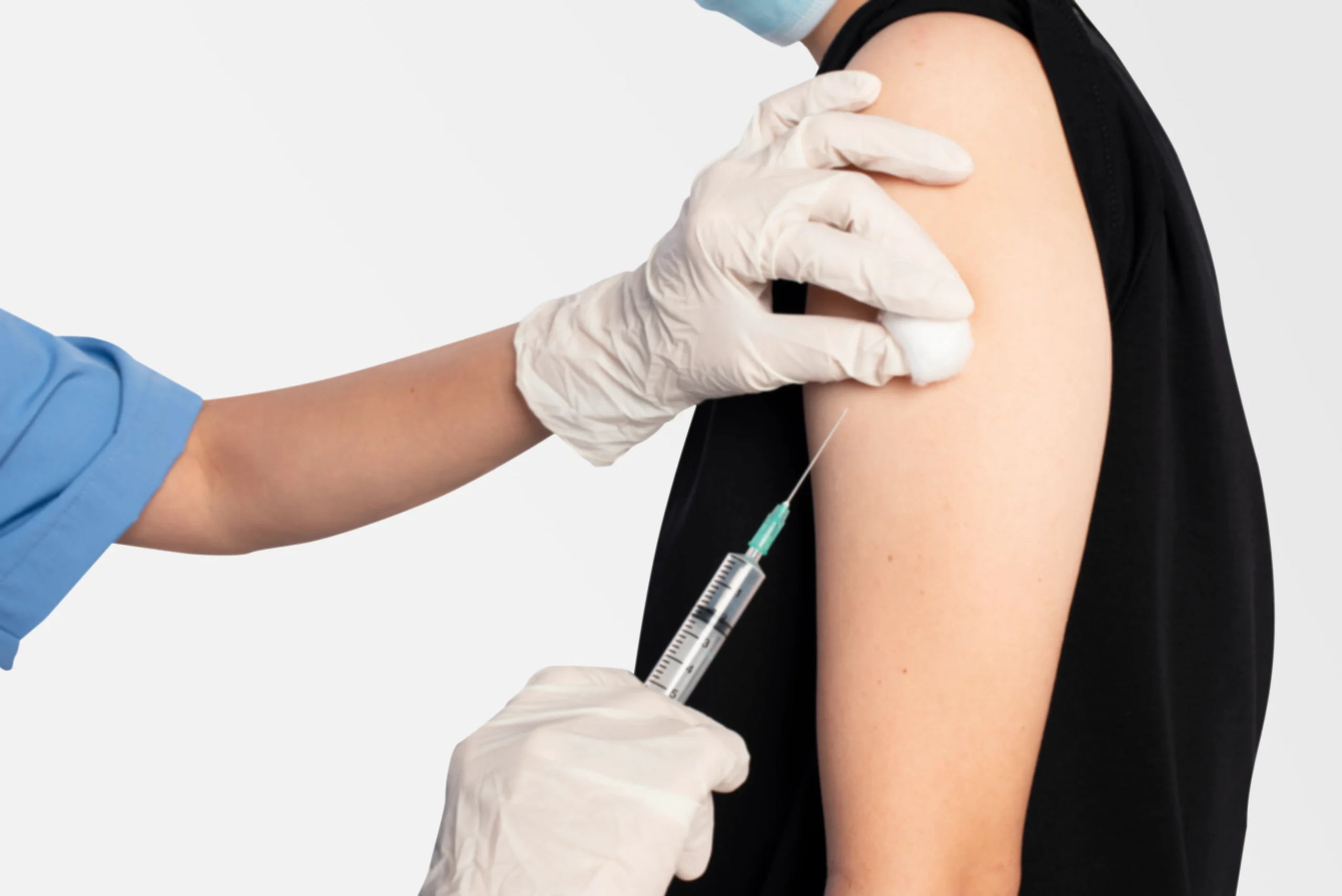
Cervical cancer is the second most common cancer among women in India — and nearly all cases are caused by a single, preventable virus: the human papillomavirus (HPV). The good news is that we now have a highly effective vaccine against it. Even better, India launched a nationwide free HPV vaccination programme in February 2026, making this one of the most significant preventive health moves for women in decades.
Yet despite all of this, most women — and parents — still have the same questions: Who should get the HPV vaccine? How much does it cost? Is it safe? And is it too late if you're over 18?
Here's everything you need to know.
Government/free: Girls aged 14 are eligible for the free vaccine under India's National Immunisation Programme at government health facilities.
Most affordable private option: CERVAVAC — India's first indigenously produced HPV vaccine by the Serum Institute of India — offers strong protection at roughly half the cost of imported alternatives.
Broadest protection: Gardasil 9 covers nine HPV strains (versus four for others), making it the most comprehensive option, though the most expensive.
Total cost for a full 3-dose private course ranges from approximately ₹4,200–₹32,550 depending on the vaccine chosen. Ask your doctor which is most appropriate for your age and situation.
What Is HPV and Why Does It Matter?
HPV (Human Papillomavirus) is one of the most common sexually transmitted infections in the world. There are over 100 strains of HPV — most are harmless and clear on their own. But certain high-risk strains, particularly HPV types 16 and 18, are responsible for approximately 70% of all cervical cancer cases globally. HPV is transmitted through skin-to-skin contact — it doesn't require penetrative sex. Most people who are sexually active will be exposed to HPV at some point in their lives, often without any symptoms at all. This is precisely why vaccination — given before potential exposure — is so effective. Beyond cervical cancer, persistent HPV infection can also lead to cancers of the vulva, vagina, anus, and throat, as well as genital warts. The vaccine protects against all of these.Who Should Get the HPV Vaccine in India?
Girls and Boys Aged 9–14 (Primary Target Group)
The HPV vaccine works best when given before any potential exposure to the virus. For this age group, a 2-dose schedule (doses 6–12 months apart) is recommended and provides robust, long-lasting immunity. As of February 2026, India's National HPV Vaccination Programme targets approximately 1.15 crore girls aged 14 years annually, providing Gardasil-4 free of cost at government health facilities. The single-dose schedule used in this programme is backed by WHO evidence showing strong protection for this cohort.Women and Men Aged 15–26
If you didn't receive the vaccine in childhood or early adolescence, you can still benefit from it in your teens and 20s. This age group requires a 3-dose schedule — at 0, 2, and 6 months — for full protection. The vaccine is approved up to age 26 for most brands.Adults Aged 27–45
The HPV vaccine is approved in India up to age 45 for Gardasil 9. Protection is lower in this group because many adults may have already been exposed to some HPV strains. However, vaccination can still protect against strains not yet encountered. A gynaecologist's consultation is recommended to assess whether the vaccine is appropriate for you. As part of comprehensive Sexual & Reproductive Health care, Dr. Anuja Ojha at CareForHer offers personalised HPV vaccination guidance based on your age, history, and health status.HPV Vaccine Cost in India (2026)
Here's a current breakdown of HPV vaccine prices in India for private vaccination:|
Vaccine |
Protection Against | Cost Per Dose (Private) | Approved Age |
| CERVAVAC (Serum Institute of India) | HPV types 6, 11, 16, 18 | ₹1,400–₹2,500 |
9–26 years |
|
Gardasil 4 |
HPV types 6, 11, 16, 18 | ₹2,800–₹4,000 | 9–26 years |
| Cervarix | HPV types 16 & 18 | ₹3,000–₹3,500 |
9–25 years |
|
Gardasil 9 |
HPV types 6, 11, 16, 18, 31, 33, 45, 52, 58 | ₹6,000–₹10,850 |
9–45 years |
HPV Vaccine Schedule at a Glance
|
Age Group |
Number of Doses |
Schedule |
|
9–14 years |
2 doses | 0 and 6–12 months |
|
15–45 years |
3 doses |
0, 2, and 6 months |
| Govt programme (girls aged 14) | 1 dose |
Single dose |
What to Expect: Side Effects and Safety
The HPV vaccine has an excellent safety record. It has been administered to hundreds of millions of people worldwide over 15+ years. Common, temporary side effects include:- Soreness, redness, or swelling at the injection site (most common)
- Mild headache or fatigue for a day or two
- Low-grade fever occasionally
- Brief dizziness immediately after the injection — you'll be asked to sit for 15 minutes post-vaccination
Does the HPV Vaccine Replace Cervical Screening?
This is important: No. The HPV vaccine is a preventive tool — it does not treat existing infections and does not replace regular cervical screening. Even if you've been vaccinated, you should continue to have routine Pap smears and cervical screenings as recommended by your doctor. The vaccine covers the most common high-risk strains, but not all strains that can cause cervical changes. Regular screening remains essential for early detection.HPV Vaccine for Boys and Men: Is It Recommended?
Yes — and this is a shift that's gaining momentum in India. HPV is not just a concern for women. Men can develop HPV-related cancers of the anus, penis, and throat, and can transmit high-risk strains to their partners. Gardasil 4 and Gardasil 9 are both approved for males in India. Vaccination of boys and men is recommended particularly between ages 9–26, and up to 45 in some cases.Get Vaccinated in Goregaon, Mumbai
If you or your daughter — or son — haven't received the HPV vaccine yet, now is the right time. At Care For Her in Goregaon East, Dr. Anuja Ojha provides HPV vaccination alongside comprehensive cervical health and preventive care guidance. Whether you're an adult weighing Gardasil 9, a parent considering vaccination for your child, or someone who wants to understand where this fits into their overall sexual and reproductive health, Dr. Ojha can advise you with clarity and without judgement. Book a consultation at CareForHer, Goregaon East →Frequently Asked Questions (FAQs)
Q1. What is the HPV vaccine and what does it prevent?
The HPV vaccine protects against the human papillomavirus strains most responsible for cervical cancer, genital warts, and other HPV-related cancers. It is one of the only vaccines in the world that directly prevents cancer.Q2. What is the HPV vaccine cost in India in 2026?
Private costs range from ₹1,400–₹2,500 per dose (CERVAVAC) to ₹6,000–₹10,850 per dose (Gardasil 9). Girls aged 14 can access it free under India's National HPV Vaccination Programme at government health facilities.Q3. What is the right age to get the HPV vaccine in India?
The ideal age is 9–14 years, before potential HPV exposure. The vaccine remains beneficial up to age 26 for most brands, and up to age 45 for Gardasil 9. The earlier it is given, the fewer doses are required and the stronger the immune response.Q4. Can adults get the HPV vaccine in India?
Yes. The vaccine is approved for adults up to age 45 in India (Gardasil 9). If you're 27 or older, a gynaecologist will help assess whether vaccination is still beneficial for your specific situation.Q5. Is the HPV vaccine safe? What are the side effects?
Yes, it is very safe and has been used globally for 15+ years. Common side effects are mild — soreness at the injection site, brief fatigue or headache, and occasional dizziness right after the shot. Serious reactions are extremely rare.Q6. How many doses of the HPV vaccine are needed?
Ages 9–14 need 2 doses (6–12 months apart). Ages 15–45 need 3 doses (at 0, 2, and 6 months). Under the government's 2026 campaign, girls aged 14 receive a single dose based on WHO evidence.Q7. Do I still need Pap smears after getting the HPV vaccine?
Yes. The vaccine does not replace cervical screening. It prevents the most common cancer-causing HPV strains, but regular Pap smears remain essential for early detection of any cervical changes. Continue routine gynaecological check-ups even after vaccination.Q8. Which HPV vaccine is best in India — Cervavac, Gardasil, or Cervarix?
CERVAVAC is the most affordable and a solid choice for budget-conscious families (covers 4 strains). Gardasil 9 offers the widest protection across 9 strains and is the preferred option for adults and those wanting maximum coverage. Your gynaecologist will recommend the most suitable option based on your age and health profile.Citations & References
- PWOnlyIAS. National HPV Vaccination Programme India: Eligibility, Benefits, Schedule And Cost. Published March 2026. pwonlyias.com
- MediBuddy Health Blog. HPV Vaccine in India: Benefits, Cost & 2026 Guidelines. Published March 2026. blog.medibuddy.in
- HealthOK Global. HPV Vaccine in India: Benefits, Dosing Schedule & Cost Explained. Published April 2025. healthokglobal.com
- Cancer Rounds. Cervical Cancer Vaccine Cost in India — HPV Vaccine Price. cancerrounds.com
- Biology Insights. HPV Vaccine in India: Types, Cost, and Availability. Published July 2025. biologyinsights.com
- INVC. Gardasil 9 Vaccine in India: Price, Dose, Schedule & Home Vaccination. Updated May 2026. invc.co.in
- World Health Organization. Human Papillomavirus (HPV) vaccines: WHO position paper, 2022. who.int
- Ministry of Health & Family Welfare, Government of India. National HPV Vaccination Programme Launch, February 2026. mohfw.gov.in