
Prenatal Care: What to Expect During Each Trimester

Pregnancy is an exciting and transformative journey. Whether you’re a first-time mother or adding to your family, having the right support and guidance can make all the difference. One of the most important aspects of a healthy pregnancy is receiving proper prenatal care.

Importance of Prenatal Care

Understanding the importance of prenatal care is essential for every expecting mother. Prenatal care involves regular medical checkups, monitoring, and tests during pregnancy to ensure both mother and baby are progressing well.

Early and consistent prenatal care helps:

  • Detect and manage potential health risks early
  • Monitor fetal growth and development
  • Provide guidance on nutrition, supplements, and lifestyle
  • Prepare you for labor and delivery

The importance of prenatal care can’t be overstated—it ensures a safe pregnancy and sets the stage for a healthy baby.

First Trimester: What to Expect (Weeks 1–12)

The first trimester marks the beginning of your pregnancy, and it’s when your body undergoes rapid changes.

During this phase, prenatal care typically includes:

  • Initial Consultation: Confirming your pregnancy, estimating your due date, and reviewing your medical history.
  • Blood Tests & Urine Tests: To check blood type, anemia, infections, thyroid function, and other essentials.
  • Ultrasound Scan: A dating scan to confirm gestational age and viability.
  • Folic Acid & Supplements: Guidance on folic acid, iron, and vitamin D to support baby’s development.

You may experience symptoms like nausea, fatigue, mood swings, or tender breasts. These are common signs of early pregnancy, and your doctor will provide advice to manage them.

Second Trimester: What to Expect (Weeks 13–26)

Many women find the second trimester more comfortable. Energy levels usually rise, and morning sickness tends to fade.

During this trimester, prenatal care focuses on:

  • Anomaly Scan: A detailed ultrasound around 18–20 weeks to check baby’s development.
  • Measuring Fundal Height: To track the baby’s growth.
  • Screening for Gestational Diabetes: Typically around 24–28 weeks.
  • Feeling Baby Movements: You’ll start noticing gentle kicks and flutters.

The doctor will also monitor your weight, blood pressure, and overall health. This stage is ideal for starting antenatal care classes and birth preparation.

Third Trimester: What to Expect (Weeks 27–40)

As your pregnancy approaches full term, prenatal care visits become more frequent—usually every two weeks, and then weekly after 36 weeks.

Key checkups in this trimester include:

  • Monitoring Baby’s Position: To plan for delivery.
  • Checking for Signs of Preterm Labor or Preeclampsia
  • Growth Scans & Non-Stress Tests: To assess baby’s health and movement.
  • Birth Planning: Discussions about pain management, hospital preferences, and delivery expectations.

You may feel more tired, experience Braxton Hicks contractions, and have trouble sleeping. Your doctor will guide you through managing these symptoms.

What Is Antenatal Care and How It Supports Pregnancy

While the terms antenatal care and prenatal care are often used interchangeably, they mean the same thing—medical support given before childbirth.

Antenatal care plays a crucial role in monitoring:

  • The mother’s physical and emotional health
  • The baby’s growth and development
  • Any complications that may arise during pregnancy

The goal of antenatal care is to prepare a mother for labor and delivery, while also reducing the risk of complications. It provides education, reassurance, and medical monitoring throughout the pregnancy journey.

Tips for Expecting Mothers to Stay Healthy

Here are simple tips to keep you feeling your best throughout your pregnancy:

  • Eat a Balanced Diet: Include plenty of fruits, vegetables, and iron-rich foods.
  • Stay Hydrated: Drink plenty of water daily.
  • Get Regular Exercise: Walking, prenatal yoga, or swimming are great options (after checking with your doctor).
  • Take Prescribed Supplements: Folic acid, iron, and calcium are essential.
  • Rest and Manage Stress: Get enough sleep and find relaxation techniques like deep breathing or meditation.

These small steps, along with consistent prenatal care, ensure you’re giving your baby the healthiest start.

When to Contact Your OB-GYN During Pregnancy

While most symptoms are part of a normal pregnancy, some signs require immediate medical attention. Call your doctor if you experience:

  • Bleeding or severe abdominal pain
  • Persistent headaches or vision changes
  • Sudden swelling in hands or face
  • Decreased baby movements
  • High fever or chills

Never hesitate to reach out. Prompt care can make a big difference.

FAQs

What’s the difference between prenatal and antenatal care?

They’re essentially the same. Both refer to the care a woman receives during pregnancy before childbirth.

How often should I visit the doctor during pregnancy?

Usually once a month in the first 28 weeks, every two weeks until 36 weeks, and weekly after that.

Can I exercise during pregnancy?

Yes, if your doctor approves. Gentle exercises like walking or yoga can help with energy and circulation.

What tests are done in each trimester?

First trimester includes blood and urine tests. Second trimester has anomaly and glucose tests. Third trimester includes growth scans and fetal monitoring.

Why Choose Us?
Choose Care For Her as your trusted partner in women’s health. Led by Dr. Anuja Ojha, a dedicated and compassionate obstetrician and gynecologist, we offer personalized care through every stage of womanhood from adolescence to pregnancy, and beyond. Our patient-first approach ensures you receive empathetic guidance, advanced medical expertise, and holistic care in a comfortable environment. Whether it’s routine check-ups, fertility consultations, or pregnancy care, we’re here to support your journey with trust and transparency. To learn more, contact us at 7400424637 or visit www.careforher.in
Understanding Your Menstrual Cycle: A Comprehensive Guide

The menstrual cycle is a vital part of every woman’s reproductive health, yet it’s often misunderstood or overlooked. Whether you’re just beginning your journey with periods or seeking a deeper understanding of your body, learning about the menstrual cycle can empower you to take better care of your health.

What is the Menstrual Cycle?

The menstrual cycle is the monthly hormonal process a woman’s body undergoes to prepare for a potential pregnancy. It begins on the first day of menstruation (your period) and ends on the day before your next period starts.

This cycle isn’t just about bleeding—it’s a complex, finely tuned process involving several hormones that affect the uterus, ovaries, brain, and overall health.

If you’re wondering what is menstrual cycle, it’s the regular natural change that occurs in the female reproductive system to make pregnancy possible.

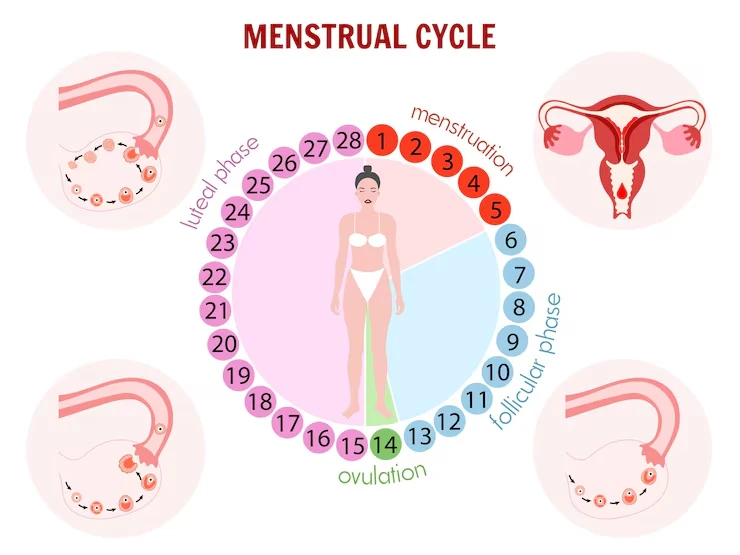
A typical cycle lasts about 28 days, though anywhere between 21 and 35 days is considered normal. Every woman’s cycle is unique, and even your own cycle can vary from month to month.

Menstrual Cycle Phases

The menstrual cycle phases are divided into four distinct parts. Each phase plays a critical role in the body’s preparation for pregnancy.

1. Menstrual Phase (Days 1–5)

This is the start of the cycle and the phase most women are familiar with—menstruation. If pregnancy hasn’t occurred, the uterine lining that had built up sheds, resulting in bleeding.

Symptoms during menstruation may include:

  • Cramps in the lower abdomen
  • Bloating
  • Mood swings
  • Headaches
  • Fatigue

This is when hormone levels—estrogen and progesterone—are at their lowest.

2. Follicular Phase (Days 1–13)

Overlapping with the menstrual phase, this phase starts on the first day of your period and ends with ovulation. The brain releases Follicle Stimulating Hormone (FSH), which stimulates the ovaries to produce follicles, each containing an egg. One dominant follicle will mature.

Estrogen rises during this phase, helping rebuild the uterine lining.

3. Ovulation Phase (Day 14, in a 28-day cycle)

Ovulation typically occurs around the middle of the cycle. A surge in Luteinizing Hormone (LH) causes the mature egg to be released from the ovary. This egg travels down the fallopian tube, where it may be fertilized.

This is the fertile window—the best time to try for pregnancy.

4. Luteal Phase (Days 15–28)

After ovulation, the ruptured follicle becomes the corpus luteum, which produces progesterone. This hormone prepares the uterine lining for a fertilized egg.

If fertilization doesn’t happen, the corpus luteum breaks down, hormone levels drop, and menstruation begins again.

Understanding these menstrual cycle phases can help you identify changes in your mood, energy, and body, and anticipate ovulation or your next period.

Common Symptoms During Menstruation

Menstruation can come with various physical and emotional symptoms, including:

  • Lower abdominal cramps
  • Back pain
  • Tender breasts
  • Digestive changes (like bloating or diarrhea)
  • Mood fluctuations or irritability
  • Acne breakouts

While mild discomfort is common, intense pain or very heavy bleeding is not normal and should be discussed with a doctor.

Why Understanding the Menstrual Cycle Matters for Women’s Health

Understanding the menstrual cycle isn’t just about tracking periods. It’s a window into your hormonal health and overall wellness.

Here’s why the importance of menstrual cycle knowledge is so crucial:

  • Identifies Reproductive Health Issues: Irregular cycles can signal conditions like PCOS, thyroid problems, or hormonal imbalances.
  • Aids in Family Planning: Knowing your menstrual cycle phases helps identify your fertile window.
  • Monitors Hormonal Health: Sudden changes in cycle length, flow, or symptoms can indicate underlying health problems.
  • Improves Quality of Life: Recognizing patterns helps manage PMS and plan for high or low energy days.

Simply put, the better you understand your menstrual cycle, the better decisions you can make for your body.

Tracking Your Menstrual Cycle

Keeping track of your menstrual cycle helps you stay informed and prepared. Here’s how:

  • Calendar Method: Mark the first day of your period each month to understand your cycle length.
  • Apps: Menstrual tracking apps offer predictions, symptom logging, and reminders.
  • Basal Body Temperature (BBT): A slight increase in BBT after ovulation can confirm your fertile window.
  • Cervical Mucus Monitoring: Texture and amount of discharge change during menstrual cycle phases, offering clues about ovulation.

Tracking gives you greater control and can help your doctor diagnose irregularities more accurately.

When to See a Doctor

While changes in your menstrual cycle are normal at different life stages, certain signs shouldn’t be ignored:

  • Cycles shorter than 21 or longer than 35 days
  • Missing periods without pregnancy
  • Extremely heavy or painful periods
  • Spotting between periods
  • Severe mood changes affecting daily life

These symptoms may indicate hormonal imbalances, fibroids, PCOS, or other medical conditions. Don’t hesitate to schedule a consultation at Care For Her if you notice any menstrual disorder issues.

FAQs

How long does a normal menstrual cycle last?

A typical menstrual cycle lasts 28 days, but anything between 21 and 35 days is considered normal.

What are signs of an irregular menstrual cycle?

Inconsistent cycle lengths, missed periods, very heavy or very light bleeding, and severe PMS can all be signs of irregularity.

Can stress affect menstruation?

Yes. High stress can disrupt hormone levels, leading to delayed, missed, or heavier periods.

When should I be concerned about heavy bleeding?

If you’re soaking through a pad or tampon every hour for several hours, or your period lasts more than 7 days, see a gynecologist.


Why Choose Us?
Choose Care For Her as your trusted partner in women’s health. Led by Dr. Anuja Ojha, a dedicated and compassionate obstetrician and gynecologist, we offer personalized care through every stage of womanhood from adolescence to pregnancy, and beyond. Our patient-first approach ensures you receive empathetic guidance, advanced medical expertise, and holistic care in a comfortable environment. Whether it’s routine check-ups, fertility consultations, or pregnancy care, we’re here to support your journey with trust and transparency. To learn more, contact us at 7400424637 or visit www.careforher.in

PCOS ( Polycystic Ovary Syndrome): Symptoms, Causes & Treatment

Polycystic Ovary Syndrome (PCOS) is one of the most common hormonal disorders affecting women of reproductive age. Characterized by an imbalance in reproductive hormones, PCOS impacts the ovaries and can lead to irregular menstrual cycles, fertility issues, and other health complications. Understanding PCOS, its symptoms, causes, and available treatments is essential for effective management and improved quality of life.

What is PCOS?

Polycystic Ovary Syndrome (PCOS) is a condition where ovaries produce excessive male hormones (androgens), which disrupts the normal functioning of ovaries. In PCOS, multiple small cysts may form on the ovaries, leading to hormonal imbalances, irregular ovulation, and symptoms affecting overall health.

Common PCOS Symptoms

Identifying PCOS symptoms early can significantly improve management outcomes. Key symptoms include:

  • Irregular periods: This is a primary symptom, often characterized by infrequent, absent, or prolonged menstrual cycles.
  • Excess androgen: Elevated male hormones leading to physical symptoms such as excess facial and body hair (hirsutism), acne, and male-pattern baldness.
  • Polycystic ovaries: Ovaries enlarge and contain numerous small cysts, detectable through ultrasound.
  • Weight gain: Difficulty in maintaining or losing weight, particularly around the abdomen.
  • Insulin resistance: Increased insulin levels can contribute to obesity and type 2 diabetes.
  • Mood swings and depression: Hormonal fluctuations may lead to emotional disturbances.

Causes of PCOS

While the exact cause of PCOS remains unclear, several factors contribute significantly:

Genetic Factors

PCOS often runs in families, suggesting a genetic predisposition. Women whose mothers or sisters have PCOS are at increased risk.

Hormonal Imbalance

High levels of androgens interfere with normal ovarian function, hindering regular ovulation.

Insulin Resistance

Insulin resistance occurs when the body’s cells do not respond effectively to insulin, leading to increased insulin production and androgen secretion.

Inflammation

Chronic inflammation is frequently seen in women with PCOS, which can stimulate polycystic ovaries to produce excess androgens.

Diagnosis and Tests

At Care For Her, under the expert guidance of Dr. Anuja Ojha, we provide comprehensive testing to accurately diagnose PCOS. Available tests at our clinic include:

  • Pelvic Ultrasound: Checks for ovarian cysts and structural changes.
  • Blood tests: Assess hormone levels, particularly testosterone, LH (luteinizing hormone), and insulin.
  • Glucose tolerance tests: Evaluate insulin resistance and the risk of diabetes.

PCOS Treatment

Effective PCOS treatment is customized based on individual symptoms and health goals. At Care For Her, we offer a range of evidence-based treatments for managing PCOS:

Lifestyle Modifications

  • Weight management: Achieving a healthy weight through diet and exercise significantly reduces symptoms and improves insulin sensitivity.
  • Balanced diet: Incorporating low-glycemic foods helps manage insulin levels.

Medications

  • Hormonal contraceptives: Help regulate menstrual cycles and lower androgen levels.
  • Metformin: Improves insulin sensitivity, reducing diabetes risk and aiding weight loss.
  • Anti-androgen medications: Address excess hair growth and acne by reducing androgen effects.

Fertility Treatments

  • Ovulation induction: Medications like Clomiphene citrate or Letrozole to stimulate ovulation for women trying to conceive.
  • IVF (In-vitro fertilization): Recommended for women who do not respond to medication alone.

FAQs about PCOS

1. Can PCOS go away?

PCOS cannot be completely cured, but symptoms can be managed effectively through lifestyle changes and medical treatments like hormonal contraceptives and insulin sensitizers.

2. How is PCOS diagnosed?

PCOS diagnosis typically involves evaluating symptoms, hormone tests, pelvic ultrasound, and glucose tolerance tests available at our clinic.

3. Is PCOS serious?

Untreated PCOS can lead to serious health issues like diabetes, infertility, heart disease, and endometrial cancer. Timely diagnosis and management are crucial.

4. Does PCOS cause weight gain?

Yes, PCOS can contribute to weight gain, particularly around the abdomen, due to insulin resistance and hormonal imbalance.

5. Can I get pregnant if I have PCOS?

Yes, many women with PCOS conceive successfully with the help of fertility treatments like ovulation induction medications or IVF.

6. Can stress worsen PCOS symptoms?

Yes, stress can exacerbate PCOS symptoms by increasing cortisol and insulin levels, negatively affecting hormone balance.

7. Are PCOS and PCOD the same?

PCOS (Polycystic Ovary Syndrome) and PCOD (Polycystic Ovarian Disease) are related terms, but PCOS is a more comprehensive hormonal disorder, while PCOD is more specifically focused on ovarian cysts.

8. Does PCOS increase cancer risk?

Women with PCOS may have an increased risk of endometrial cancer due to irregular periods and hormonal imbalance. Regular screenings and medical consultations are advised.

Why Choose Us?

Choose Care For Her as your trusted partner in women’s health. Led by Dr. Anuja Ojha, a dedicated and compassionate obstetrician and gynecologist, we offer personalized care through every stage of womanhood, from adolescence to pregnancy and beyond. Our patient-first approach ensures you receive empathetic guidance, advanced medical expertise, and holistic care in a comfortable environment. Whether it’s routine check-ups, fertility consultations, or pregnancy care, we’re here to support your journey with trust and transparency. To learn more, contact us at 7400424637 or visit www.careforher.in.


Menopause Symptoms, Causes, and Treatment

Menopause is a natural biological process marking the end of a woman’s reproductive years, typically occurring between the ages of 45 and 55. Understanding menopause symptoms, causes, and available treatments is crucial for effective menopause management. At Care For Her, led by Dr. Anuja Ojha, we offer personalized care to navigate this significant life transition with ease and comfort.

What is Menopause?

Menopause occurs when a woman stops menstruating and can no longer conceive naturally. It is diagnosed after you’ve gone 12 consecutive months without a menstrual period. Menopause is a natural stage of aging, although it can be induced prematurely due to medical interventions like surgery or chemotherapy.

Common Menopause Symptoms

Recognizing menopause symptoms early helps in better menopause management. Common symptoms include:

  • Hot Flashes: Sudden sensations of heat often accompanied by sweating and flushing.
  • Night Sweats: Severe hot flashes occurring at night, disrupting sleep.
  • Vaginal Dryness: Reduced estrogen levels cause dryness, itching, and discomfort.
  • Mood Swings: Hormonal changes can result in moodiness, irritability, anxiety, or depression.
  • Sleep Disorders: Difficulty falling or staying asleep.
  • Weight Gain: Changes in metabolism can lead to weight gain, especially around the abdomen.
  • Thinning Hair and Dry Skin: Loss of estrogen affects hair texture and skin moisture.
  • Decreased Libido: Hormonal fluctuations affect sexual desire.

Understanding these menopause symptoms allows for timely menopause treatment.

Causes of Menopause

Menopause is primarily caused by a decrease in reproductive hormones:

  • Natural Decline of Hormones: As women age, ovaries gradually produce less estrogen and progesterone.
  • Surgical Removal of Ovaries (Oophorectomy): Immediate menopause occurs if both ovaries are removed.
  • Chemotherapy and Radiation Therapy: Cancer treatments can trigger menopause symptoms by affecting ovarian function.
  • Primary Ovarian Insufficiency: When ovaries fail to produce normal levels of reproductive hormones before age 40.

Menopause Treatment Options

Effective menopause Treatment involves addressing symptoms and maintaining overall health:

Hormone Replacement Therapy (HRT)

HRT replaces estrogen, relieving common menopause symptoms such as hot flashes and vaginal dryness. At Care For Her, we provide comprehensive assessments and hormone panels to tailor treatments specifically for you.

Vaginal Estrogen

Applied directly to the vagina to relieve dryness and discomfort, vaginal estrogen comes in creams, tablets, or rings, providing targeted menopause treatment.

Low-Dose Antidepressants

Certain antidepressants can effectively manage hot flashes, especially useful for those who cannot use estrogen therapy.

Lifestyle Adjustments

Simple lifestyle changes like diet modifications, regular exercise, and stress management techniques significantly ease menopause symptoms and enhance overall well-being.

Frequently Asked Questions (FAQs)

  1. What age does menopause usually start?

Typically, menopause occurs between ages 45 and 55, with an average onset at age 51.

  1. How long do menopause symptoms last?

Menopause symptoms typically last for around four to five years but can persist for up to 10 years or more.

  1. Can menopause cause weight gain?

Yes, menopause can cause weight gain, especially around the abdomen, due to hormonal changes affecting metabolism.

  1. Are hot flashes dangerous?

Hot flashes are not dangerous but can be uncomfortable and disrupt daily activities and sleep.

  1. What can I do to reduce vaginal dryness?

Vaginal dryness can be effectively treated with vaginal estrogen therapy, lubricants, or moisturizers.

  1. Is Hormone Replacement Therapy safe?

HRT is generally safe but must be individualized. At Care For Her, we evaluate personal and family medical history thoroughly before initiating therapy.

  1. Can menopause symptoms mimic other health issues?

Yes, symptoms of menopause, such as fatigue or mood swings, can resemble thyroid disorders or depression. Appropriate tests are recommended for accurate diagnosis.

  1. How can I manage mood swings during menopause?

Managing mood swings involves lifestyle adjustments, stress management techniques, and occasionally, medication like low-dose antidepressants.

Why Choose Us?

Choose Care For Her as your trusted partner in women’s health. Led by Dr. Anuja Ojha, a dedicated and compassionate obstetrician and gynecologist, we offer personalized care through every stage of womanhood from adolescence to pregnancy and beyond. Our patient-first approach ensures you receive empathetic guidance, advanced medical expertise, and holistic care in a comfortable environment. Whether it’s routine check-ups, fertility consultations, or pregnancy care, we’re here to support your journey with trust and transparency. To learn more, contact us at 7400424637 or visit www.careforher.in.