
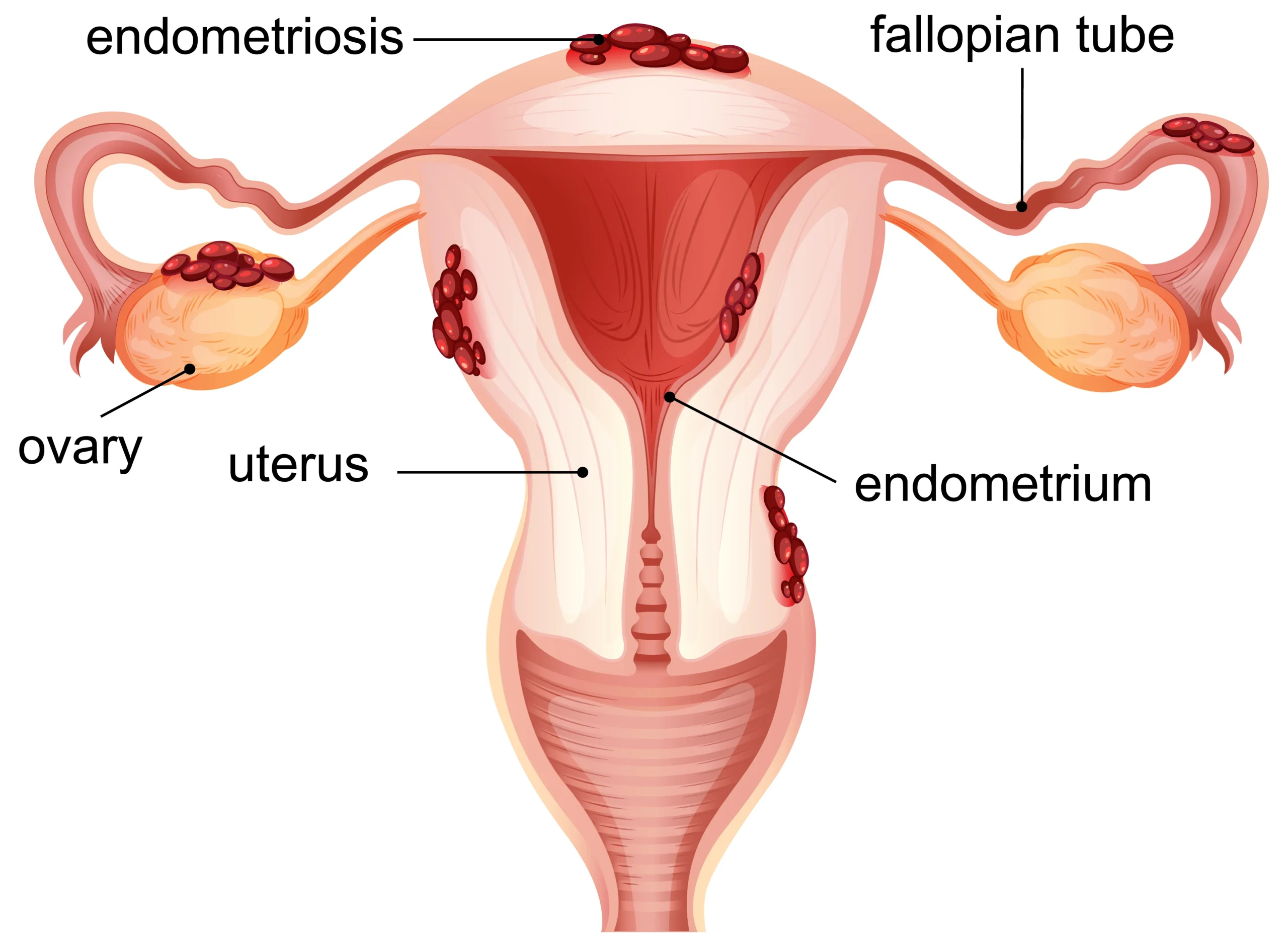
Endometriosis is a common yet often misunderstood gynecological condition that affects millions of women worldwide. Despite its prevalence, many women go undiagnosed for years due to lack of awareness and overlapping symptoms. Understanding what is endometriosis is the first step toward timely diagnosis and effective management.
What is Endometriosis?
To understand the endometriosis meaning, it helps to first know how the uterus functions. The inner lining of the uterus, called the endometrium, thickens every month and sheds during menstruation. Endometriosis is a condition where tissue similar to this lining grows outside the uterus, commonly on the ovaries, fallopian tubes, and pelvic lining. This misplaced tissue behaves like normal endometrial tissue—it thickens, breaks down, and bleeds during each cycle—but has no way to exit the body. This leads to inflammation, pain, and sometimes scar tissue formation. In simple terms, the endometriosis meaning refers to the presence of uterine-like tissue outside the uterus, causing chronic pelvic discomfort and reproductive challenges.Endometriosis Symptoms
Recognizing endometriosis symptoms early can make a significant difference in managing the condition. Symptoms can vary from mild to severe and may differ from person to person. Common endometriosis symptoms include:- Severe menstrual cramps that worsen over time
- Chronic pelvic pain even outside periods
- Pain during or after sexual intercourse
- Painful bowel movements or urination, especially during periods
- Heavy menstrual bleeding or spotting between cycles
- Difficulty getting pregnant
Endometriosis Causes
The exact endometriosis causes are still not fully understood, but several theories have been proposed by medical experts. Possible endometriosis causes include:- Retrograde menstruation (menstrual blood flowing backward into the pelvic cavity)
- Genetic factors (family history increases risk)
- Immune system dysfunction
- Hormonal imbalances, especially involving estrogen
- Surgical procedures that may transfer endometrial cells
Diagnosis of Endometriosis
Diagnosing endometriosis can be challenging because its symptoms often mimic other conditions like pelvic inflammatory disease or irritable bowel syndrome. Doctors typically use:- Detailed medical history and symptom tracking
- Pelvic examination
- Imaging tests like ultrasound or MRI
- Laparoscopy, a minimally invasive surgical procedure, which is considered the gold standard for confirming endometriosis
Endometriosis Treatment
When it comes to endometriosis treatment, the approach depends on the severity of symptoms, age, and reproductive goals. Common endometriosis treatment options include:- Pain management with medications such as NSAIDs
- Hormonal therapy to control the menstrual cycle and reduce tissue growth
- Birth control pills, hormonal IUDs, or GnRH agonists
- Surgical treatment to remove endometrial tissue
- Fertility treatments for women facing difficulty conceiving
Living with Endometriosis
Living with endometriosis can be physically and emotionally challenging. Chronic pain and fertility concerns can impact mental well-being and daily life. Lifestyle changes that may help include:- Regular exercise to reduce inflammation
- Maintaining a balanced diet
- Stress management techniques like yoga or meditation
- Seeking support from healthcare providers or support groups
When to See a Gynecologist
You should consult a gynecologist if you experience:- Persistent pelvic pain
- Severe menstrual cramps that interfere with daily activities
- Unexplained infertility
- Symptoms that worsen over time