What Is STI (Sexually Transmitted Infection)? Signs, Testing & Treatment for Women

Sexual health is an essential part of overall well-being, yet it is often overlooked due to stigma or lack of awareness. Understanding STI and how it affects women is crucial for early diagnosis, treatment, and prevention. In this blog, we will break down what is sexually transmitted infections, their symptoms, testing options, and sexually transmitted infection treatment in a simple, clear manner.

What Is STI (Sexually Transmitted Infection)?

STI refers to infections that are primarily spread through sexual contact, including vaginal, oral, or anal sex. These infections are caused by bacteria, viruses, or parasites and can affect anyone who is sexually active.

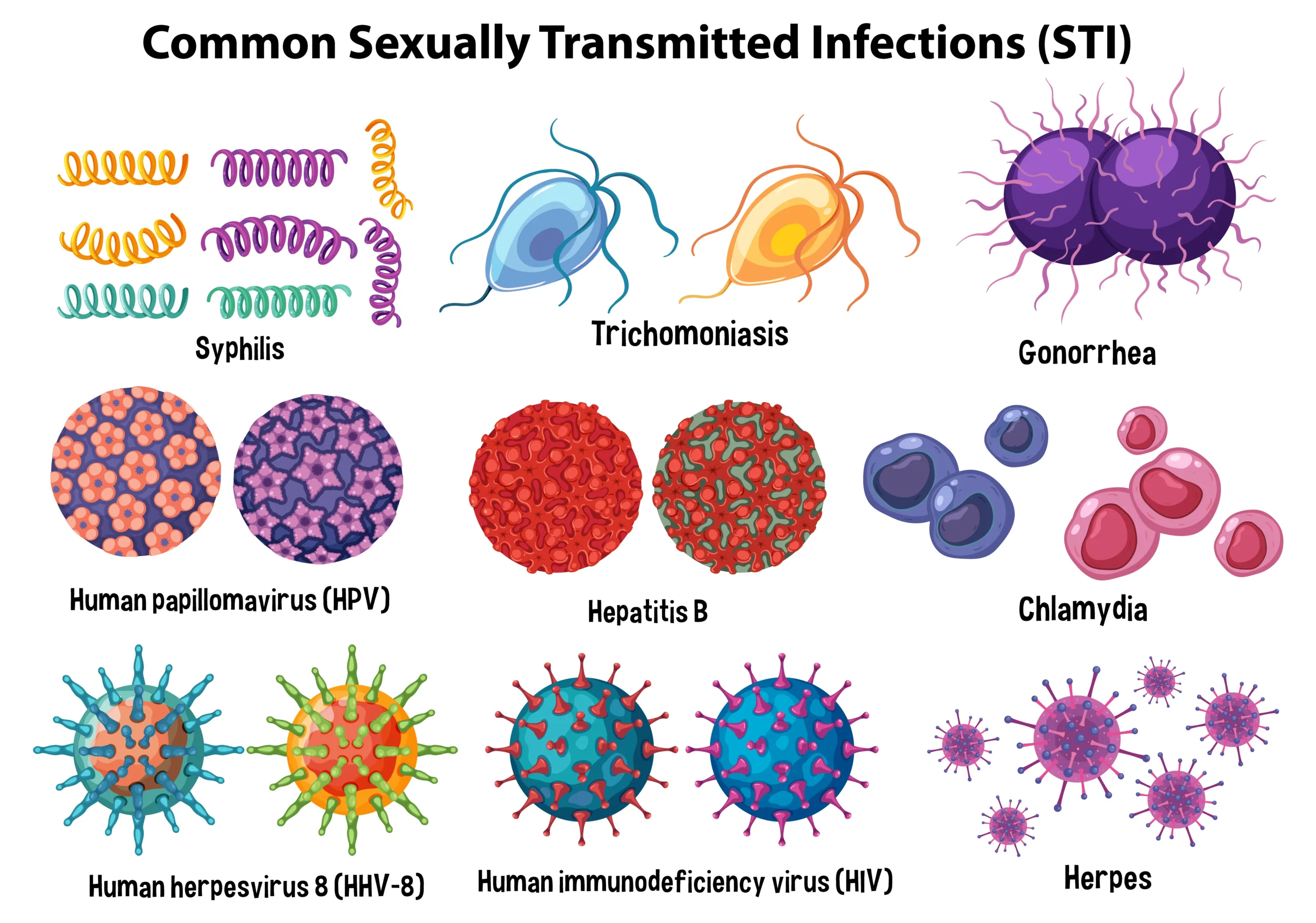
When we talk about what is sexually transmitted infections, we are referring to a wide range of conditions such as chlamydia, gonorrhea, human papillomavirus (HPV), herpes, and HIV. Many sexually transmitted infections may not show symptoms initially, making regular screening extremely important.

Understanding what is sexually transmitted infections helps women take proactive steps toward maintaining reproductive and overall health.

Common Sexually Transmitted Infections in Women

Sexually transmitted infections in women can sometimes present differently than in men. In many cases, women may experience subtle or no symptoms, which increases the risk of complications if left untreated.

Some common sexually transmitted infections in women include:

  • Chlamydia
  • Gonorrhea
  • HPV (Human Papillomavirus)
  • Herpes Simplex Virus
  • HIV/AIDS
  • Trichomoniasis

Sexually transmitted infections in women can affect the reproductive system and may lead to conditions like pelvic inflammatory disease (PID), infertility, or complications during pregnancy if not treated on time.

Signs of Sexually Transmitted Infections

Recognizing the signs of sexually transmitted infections is key to early diagnosis and treatment. However, it is important to note that many STI cases may be asymptomatic.

Common signs of sexually transmitted infections include:

  • Unusual vaginal discharge
  • Burning sensation during urination
  • Pain during intercourse
  • Lower abdominal pain
  • Sores, bumps, or rashes in the genital area
  • Irregular bleeding between periods

Since these signs of sexually transmitted infections can overlap with other conditions, it is essential to consult a gynecologist for proper diagnosis.

How Are Sexually Transmitted Infections Diagnosed?

Early detection plays a major role in managing sexually transmitted infections. Testing is simple, confidential, and widely available.

Diagnosis methods include:

  • Blood tests (for HIV, syphilis)
  • Urine tests (for chlamydia and gonorrhea)
  • Swab tests from the cervix or vagina
  • Pap smear (for detecting HPV-related changes)

Women who are sexually active, have multiple partners, or are planning pregnancy should consider regular STI screening. Timely diagnosis of sexually transmitted infections in women helps prevent long-term complications.

Sexually Transmitted Infection Treatment Options

Sexually transmitted infection treatment depends on the type of infection.

  • Bacterial infections (like chlamydia and gonorrhea) are treated with antibiotics
  • Viral infections (like herpes and HIV) are managed with antiviral medications
  • Parasitic infections (like trichomoniasis) are treated with specific medications

Sexually transmitted infection treatment is most effective when started early. It is also important that both partners get treated to avoid reinfection.

Completing the full course of prescribed medication is crucial for successful sexually transmitted infection treatment.

Can STI Be Prevented?

Yes, STI prevention is possible with the right precautions:

  • Use protection such as condoms during sexual activity
  • Maintain a mutually monogamous relationship
  • Get vaccinated (HPV vaccine)
  • Undergo regular screenings
  • Avoid sharing personal hygiene items

Being informed about sexually transmitted infections and taking preventive steps can significantly reduce the risk.

When Should You See a Doctor?

You should consult a gynecologist if you:

  • Notice any unusual symptoms
  • Have had unprotected sex
  • Have multiple sexual partners
  • Are planning a pregnancy
  • Have a partner diagnosed with STI

Even if you feel completely fine, routine screening for sexually transmitted infections is recommended for sexually active women.

FAQs

  1. What is STI and how does it spread?

    STI refers to infections transmitted through sexual contact. They spread via vaginal, oral, or anal sex with an infected partner.

  2. Are sexually transmitted infections always symptomatic?

    No, many sexually transmitted infections may not show symptoms, especially in women, which is why regular testing is important.

  3. How often should women get tested for STI?

    Sexually active women should get tested at least once a year, or more frequently if they have multiple partners.

  4. Can sexually transmitted infections in women affect fertility?

    Yes, untreated sexually transmitted infections in women can lead to pelvic inflammatory disease and infertility.

  5. Is sexually transmitted infection treatment effective?

    Yes, most sexually transmitted infection treatment options are highly effective, especially when diagnosed early.

  6. Can STI be cured completely?

    Some STI, like bacterial infections, can be cured. Viral infections can be managed but may not be completely eliminated.

  7. Is it safe to get pregnant if I have an STI?

    It depends on the type of infection. Proper sexually transmitted infection treatment and medical guidance are necessary before planning pregnancy.

Why Choose Us?

Choose Care For Her as your trusted partner in women’s health. Led by Dr. Anuja Ojha, a dedicated and compassionate obstetrician and gynecologist, we offer personalized care through every stage of womanhood from adolescence to pregnancy, and beyond. Our patient-first approach ensures you receive empathetic guidance, advanced medical expertise, and holistic care in a comfortable environment. Whether it’s routine check-ups, fertility consultations, or pregnancy care, we’re here to support your journey with trust and transparency. To learn more, contact us at 7400424637 or visit www.careforher.in
References

  1. https://www.who.int/news-room/fact-sheets/detail/sexually-transmitted-infections-(stis) 
  2. https://www.cdc.gov/std/default.htm
  3. https://www.nhs.uk/conditions/sexually-transmitted-infections-stis/

What is Endometriosis? Symptoms, Causes & Treatment

Endometriosis is a common yet often misunderstood gynecological condition that affects millions of women worldwide. Despite its prevalence, many women go undiagnosed for years due to lack of awareness and overlapping symptoms. Understanding what is endometriosis is the first step toward timely diagnosis and effective management.

What is Endometriosis?

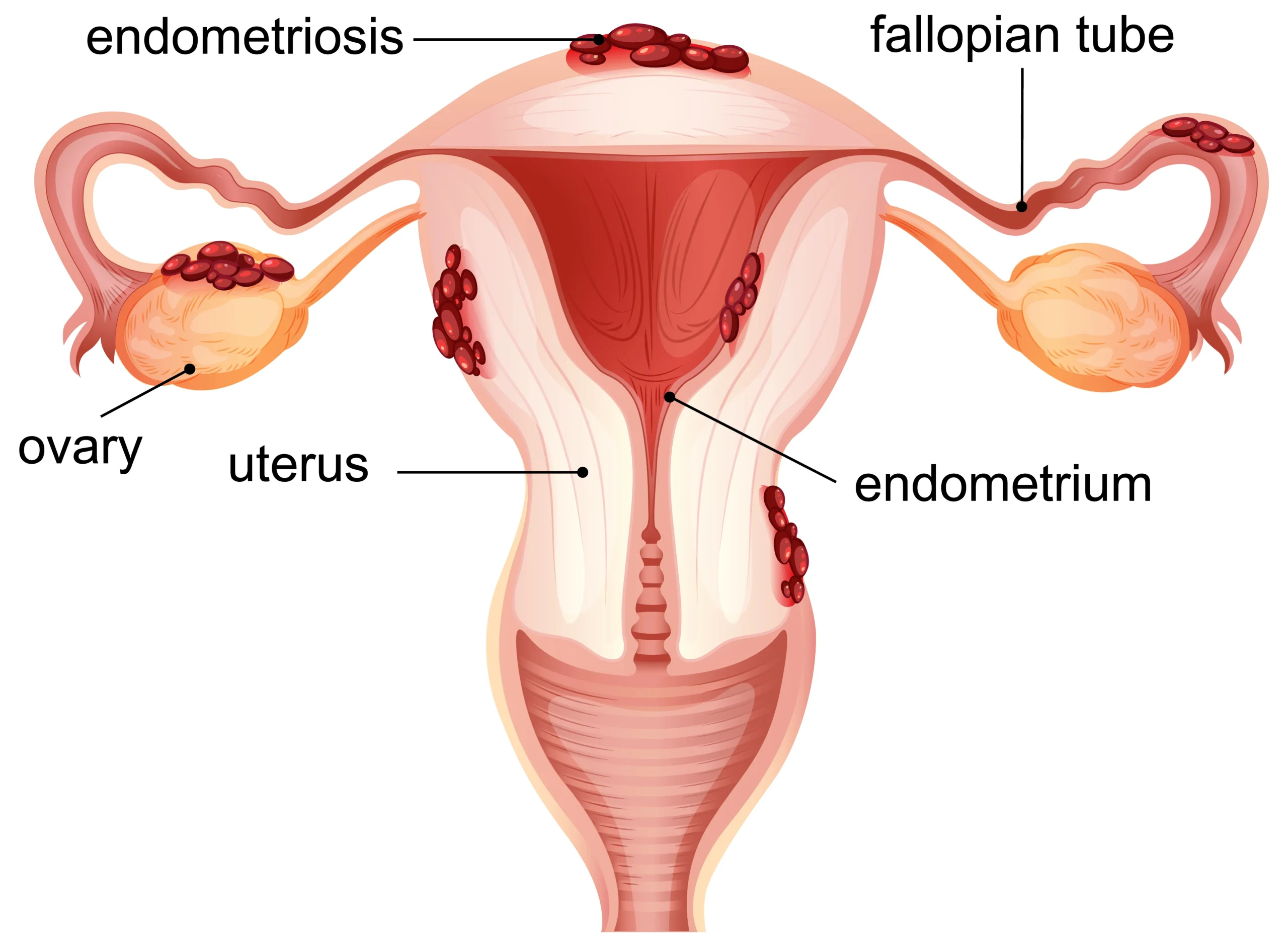
To understand the endometriosis meaning, it helps to first know how the uterus functions. The inner lining of the uterus, called the endometrium, thickens every month and sheds during menstruation.

Endometriosis is a condition where tissue similar to this lining grows outside the uterus, commonly on the ovaries, fallopian tubes, and pelvic lining. This misplaced tissue behaves like normal endometrial tissue—it thickens, breaks down, and bleeds during each cycle—but has no way to exit the body. This leads to inflammation, pain, and sometimes scar tissue formation.

In simple terms, the endometriosis meaning refers to the presence of uterine-like tissue outside the uterus, causing chronic pelvic discomfort and reproductive challenges.

Endometriosis Symptoms

Recognizing endometriosis symptoms early can make a significant difference in managing the condition. Symptoms can vary from mild to severe and may differ from person to person.

Common endometriosis symptoms include:

  • Severe menstrual cramps that worsen over time
  • Chronic pelvic pain even outside periods
  • Pain during or after sexual intercourse
  • Painful bowel movements or urination, especially during periods
  • Heavy menstrual bleeding or spotting between cycles
  • Difficulty getting pregnant

Some women may experience minimal discomfort despite having advanced endometriosis, while others may have intense pain even in mild cases. This variability often delays diagnosis.

Endometriosis Causes

The exact endometriosis causes are still not fully understood, but several theories have been proposed by medical experts.

Possible endometriosis causes include:

  • Retrograde menstruation (menstrual blood flowing backward into the pelvic cavity)
  • Genetic factors (family history increases risk)
  • Immune system dysfunction
  • Hormonal imbalances, especially involving estrogen
  • Surgical procedures that may transfer endometrial cells

While these factors may contribute, no single explanation fully accounts for all cases. Understanding endometriosis causes helps doctors tailor treatment strategies more effectively.

Diagnosis of Endometriosis

Diagnosing endometriosis can be challenging because its symptoms often mimic other conditions like pelvic inflammatory disease or irritable bowel syndrome.

Doctors typically use:

  • Detailed medical history and symptom tracking
  • Pelvic examination
  • Imaging tests like ultrasound or MRI
  • Laparoscopy, a minimally invasive surgical procedure, which is considered the gold standard for confirming endometriosis

Early diagnosis plays a crucial role in preventing complications and improving quality of life.

Endometriosis Treatment

When it comes to endometriosis treatment, the approach depends on the severity of symptoms, age, and reproductive goals.

Common endometriosis treatment options include:

  • Pain management with medications such as NSAIDs
  • Hormonal therapy to control the menstrual cycle and reduce tissue growth
  • Birth control pills, hormonal IUDs, or GnRH agonists
  • Surgical treatment to remove endometrial tissue
  • Fertility treatments for women facing difficulty conceiving

Endometriosis treatment aims to reduce pain, slow disease progression, and improve fertility where needed. In many cases, a combination of treatments is recommended.

Living with Endometriosis

Living with endometriosis can be physically and emotionally challenging. Chronic pain and fertility concerns can impact mental well-being and daily life.

Lifestyle changes that may help include:

  • Regular exercise to reduce inflammation
  • Maintaining a balanced diet
  • Stress management techniques like yoga or meditation
  • Seeking support from healthcare providers or support groups

Understanding the endometriosis meaning and its long-term impact empowers women to seek timely care and advocate for their health.

When to See a Gynecologist

You should consult a gynecologist if you experience:

  • Persistent pelvic pain
  • Severe menstrual cramps that interfere with daily activities
  • Unexplained infertility
  • Symptoms that worsen over time

Early intervention can significantly improve outcomes and reduce complications associated with endometriosis.

FAQs

1. What is endometriosis and is it serious?

What is endometriosis refers to a condition where tissue similar to the uterine lining grows outside the uterus. It can be serious if left untreated, as it may cause chronic pain and fertility issues.

2. What are the most common endometriosis symptoms?

The most common endometriosis symptoms include pelvic pain, painful periods, heavy bleeding, and pain during intercourse.

3. What are the main endometriosis causes?

The exact endometriosis causes are unclear, but factors like retrograde menstruation, genetics, and hormonal imbalance play a role.

4. Can endometriosis be cured?

There is no permanent cure, but effective endometriosis treatment can manage symptoms and improve quality of life.

5. Does endometriosis affect fertility?

Yes, endometriosis can impact fertility, but many women can conceive with proper treatment and medical support.

6. How is endometriosis diagnosed?

Diagnosis involves imaging tests and sometimes laparoscopy to confirm the presence of abnormal tissue growth.

7. Is endometriosis a lifelong condition?

Endometriosis can be chronic, but symptoms can be managed effectively with the right treatment plan.

Why Choose Us?

Choose Care For Her as your trusted partner in women’s health. Led by Dr. Anuja Ojha, a dedicated and compassionate obstetrician and gynecologist, we offer personalized care through every stage of womanhood from adolescence to pregnancy, and beyond. Our patient-first approach ensures you receive empathetic guidance, advanced medical expertise, and holistic care in a comfortable environment. Whether it’s routine check-ups, fertility consultations, or pregnancy care, we’re here to support your journey with trust and transparency. To learn more, contact us at 7400424637 or visit www.careforher.in

References