
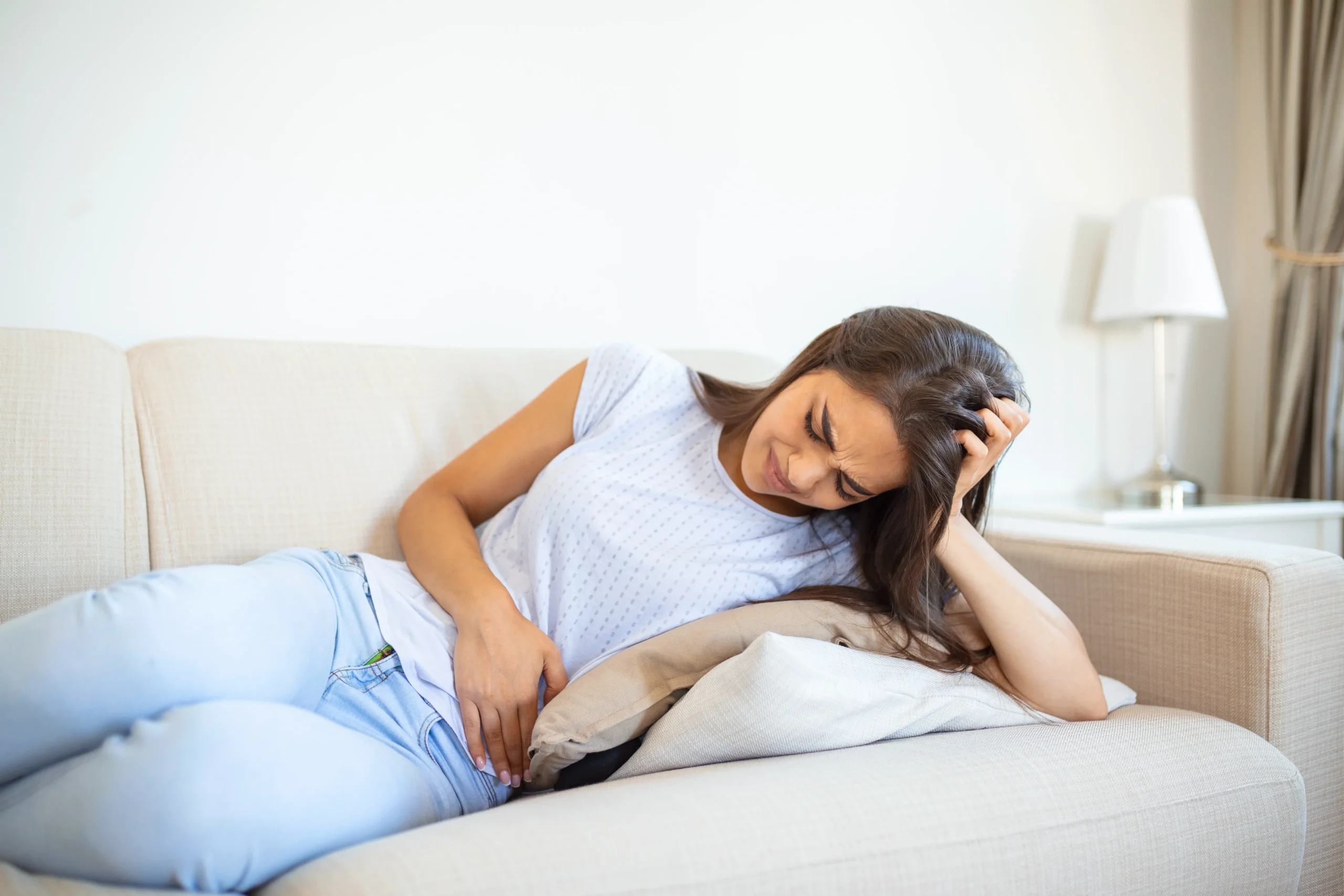
If you find yourself feeling unusually irritable, exhausted, or emotionally overwhelmed in the days leading up to your period, you are far from alone. Premenstrual syndrome (PMS) is one of the most common concerns that women bring to their gynaecologist — and yet it remains widely misunderstood, often dismissed as simply 'being moody.' The reality is that PMS is a recognised medical condition with real physical and emotional symptoms that can significantly affect your quality of life.
In this blog, we break down what PMS is, what causes it, what symptoms to watch for, and — most importantly — what you can do about it.
What Is PMS (Premenstrual Syndrome)?
PMS, short for premenstrual syndrome, refers to a group of physical, emotional, and behavioural symptoms that typically appear one to two weeks before your period begins. These symptoms usually ease off shortly after menstruation starts. PMS affects women during their reproductive years and is closely linked to hormonal changes that occur during the menstrual cycle. According to estimates, up to 75% of menstruating women experience some form of PMS symptoms during their lifetime. For most, the symptoms are mild and manageable. However, for about 20–30% of women, the symptoms are severe enough to disrupt daily life — affecting work, relationships, and overall well-being. If you are struggling with menstrual-related concerns, a consultation with a specialist in menstrual disorder management can help you get the right diagnosis and care.What Causes PMS?
The exact cause of PMS is not fully understood, but research points to several key contributing factors:1. Hormonal Fluctuations
The most widely accepted explanation for PMS causes is the fluctuation of oestrogen and progesterone levels during the luteal phase of the menstrual cycle (the two weeks between ovulation and your period). These shifts can trigger a range of physical and emotional changes. Hormonal imbalance symptoms in women, including mood instability, water retention, and breast tenderness, are often rooted in these cyclical changes. If you suspect a deeper hormonal issue, our menopause & hormonal therapy services can offer further evaluation.2. Serotonin Sensitivity
Hormonal changes can also affect serotonin — a neurotransmitter that regulates mood, sleep, and appetite. A drop in serotonin activity may explain why many women experience mood swings before period, depression, or anxiety in the days leading up to menstruation.3. Nutritional and Lifestyle Factors
Low levels of calcium, magnesium, and Vitamin B6 have been associated with more severe PMS symptoms. A diet high in salt, sugar, caffeine, or alcohol can worsen bloating, fatigue, and irritability. Stress and lack of regular exercise can also amplify symptoms.4. Genetic Predisposition
PMS tends to run in families. If your mother or sister experienced significant premenstrual symptoms, you may be more likely to experience them too.Common PMS Symptoms to Watch For
PMS symptoms can be physical, emotional, or both. They typically appear between 7 and 14 days before your period. Here is what to look out for:Physical Symptoms
- Bloating before period and abdominal cramps
- Breast tenderness or swelling
- Headaches or migraines
- Fatigue and low energy
- Acne flare-ups
- Changes in bowel habits (constipation or diarrhea)
- Sleep disturbances
Emotional & Behavioural Symptoms
- Mood swings, irritability, or sudden tearfulness
- Anxiety or feelings of being overwhelmed
- Difficulty concentrating or "brain fog"
- Food cravings — especially for sweets or salty snacks
- Withdrawal from social activities
- Low confidence or feelings of sadness
PMS vs PMDD — What's the Difference?
It is worth knowing the distinction between PMS and PMDD (Premenstrual Dysphoric Disorder). PMDD is a more severe form of PMS characterised by intense psychological symptoms — such as severe depression, extreme anxiety, or overwhelming irritability — that significantly impair a woman's ability to function at work or in her personal life. While PMS symptoms are uncomfortable, PMDD symptoms are debilitating. If you feel your emotional symptoms before your period are extreme or difficult to manage, please do not hesitate to speak with a specialist. Early intervention makes a significant difference.How Is PMS Diagnosed?
There is no single blood test or scan that diagnoses PMS. Diagnosis is primarily clinical, based on the pattern and timing of your symptoms. Your gynaecologist will typically ask you to maintain a symptom diary for two to three menstrual cycles and will rule out other conditions — such as thyroid disorders, anaemia, or hormonal imbalance symptoms in women — that could present similarly. A thorough routine checkup and preventive care consultation is often the best starting point for women experiencing unexplained cycle-related symptoms.PMS Treatment Options
The good news is that PMS is very manageable. Treatment is usually tailored to the severity of your symptoms and can include a combination of the following approaches:1. Lifestyle Changes
- Regular aerobic exercise (at least 30 minutes, 3–5 times a week) can significantly reduce fatigue and mood-related symptoms
- A balanced diet — low in salt, sugar, and caffeine — helps reduce bloating and irritability
- Adequate sleep and stress management (yoga, meditation, deep breathing) are highly effective for emotional symptoms
- Cutting back on alcohol, especially in the luteal phase, can ease symptoms considerably
2. Nutritional Supplements
- Calcium (1,000–1,200 mg/day) has been shown in clinical studies to reduce PMS symptoms
- Magnesium helps with bloating, mood, and headaches
- Vitamin B6 supports serotonin production and may improve mood-related symptoms
3. Medical Treatment
For moderate to severe PMS, your gynaecologist may recommend:- Hormonal therapy — Combined oral contraceptive pills can help regulate hormonal fluctuations and reduce physical symptoms. This is best discussed with your doctor as part of a broader contraception & family planning consultation.
- SSRIs (Selective Serotonin Reuptake Inhibitors) — prescribed for severe mood symptoms or PMDD, these can be taken daily or only during the luteal phase
- Anti-anxiety medication or diuretics — used in specific cases to address anxiety or water retention
- For women with underlying conditions like pelvic pain or endometriosis, targeted treatment of those conditions may also alleviate PMS-like symptoms.
4. Tracking & Monitoring
Keeping a menstrual symptom diary or using a period-tracking app is one of the most practical steps you can take. It helps your gynaecologist understand the severity, timing, and nature of your symptoms — and builds a clearer picture for personalising your PMS treatment plan.When Should You See a Gynaecologist?
You should seek professional advice if:- Your symptoms are severe enough to affect your work, relationships, or daily activities
- You experience symptoms for more than two weeks of every cycle
- You have tried lifestyle changes with little to no improvement
- You are experiencing thoughts of self-harm or extreme emotional distress
- You are unsure whether what you are experiencing is PMS or a more serious condition
Why Choose Us?
Choose Care For Her as your trusted partner in women's health. Led by Dr. Anuja Ojha, a dedicated and compassionate obstetrician and gynecologist, we offer personalized care through every stage of womanhood — from adolescence to pregnancy, and beyond. Our patient-first approach ensures you receive empathetic guidance, advanced medical expertise, and holistic care in a comfortable environment. Whether it's routine check-ups, fertility consultations, or pregnancy care, we're here to support your journey with trust and transparency. To learn more, contact us at 7400424637 or visit www.careforher.inReferences & Citations
- American College of Obstetricians and Gynecologists (ACOG) — Premenstrual Syndrome (PMS)
- Mayo Clinic — Premenstrual syndrome (PMS): Symptoms & Causes
- National Institutes of Health (NIH) / NICHD — What are the treatments for PMS?
- Harvard Health Publishing — Treating premenstrual dysphoric disorder
- NHS UK — Premenstrual syndrome (PMS) — Treatment