
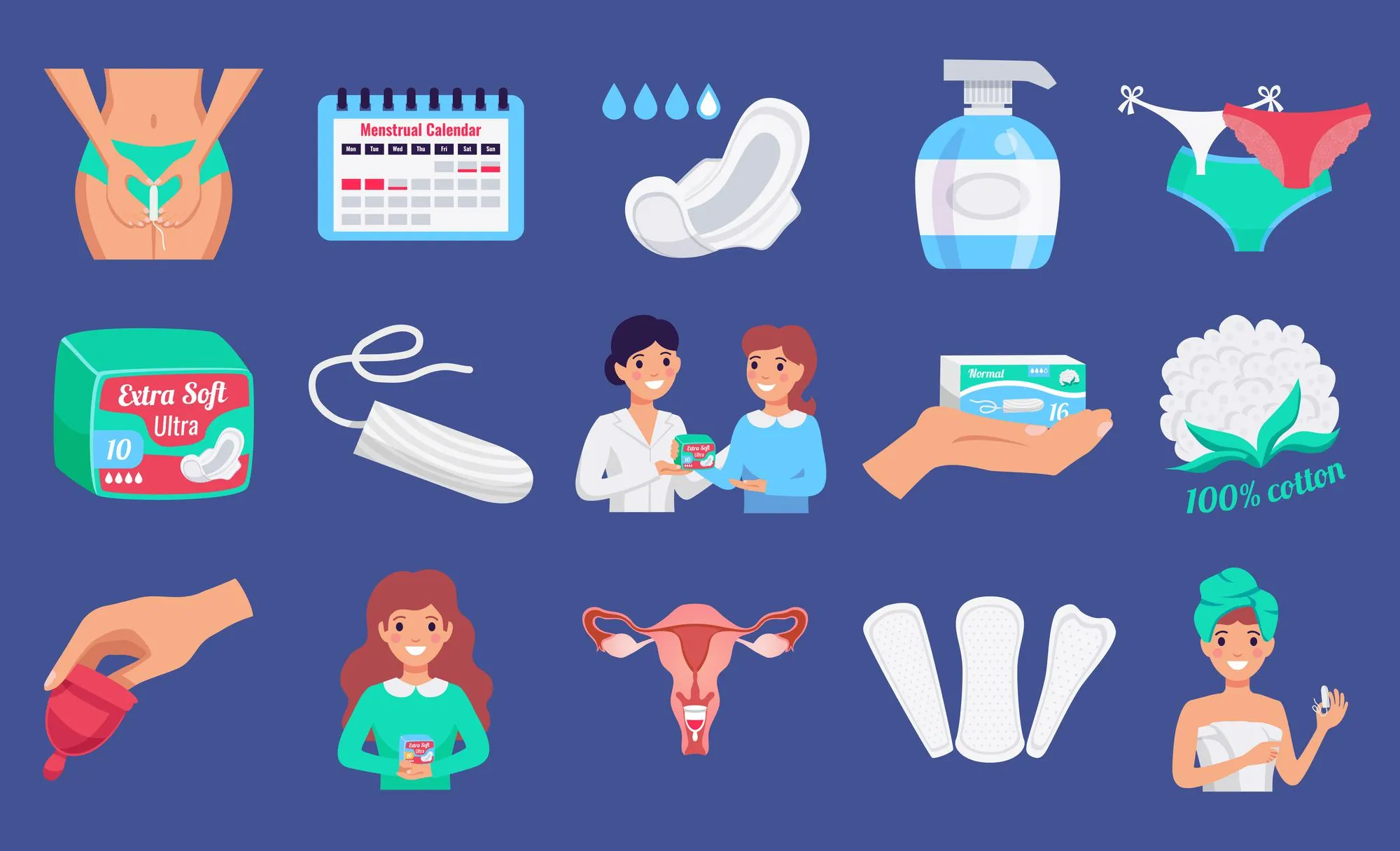
We talk a lot about what to do during your period — but rarely about what not to do. The truth is, many women unknowingly follow period hygiene habits that could be putting their health at risk. Some of these habits are things we picked up from family, others are myths that circulated as facts. Regardless of where they came from, poor menstrual hygiene practices are one of the leading causes of reproductive tract infections, urinary tract infections, and other gynaecological issues in women.
This blog is not about judgment — it is about awareness. Here are seven common period hygiene mistakes that are still very much happening, and what you should do instead.
Mistake 1: Not Changing Your Sanitary Pad Frequently Enough
One of the most common period hygiene mistakes is leaving a sanitary pad on for too long. Many women wait until a pad feels completely soaked before changing it — but this is not the right approach. Even on lighter flow days, a pad should be changed every 4 to 6 hours. The warm, moist environment of a used pad is the perfect breeding ground for bacteria. Wearing a pad for too long increases your risk of skin rashes, unpleasant odour, and more seriously, reproductive tract and urinary tract infections. The correct sanitary pad changing frequency is every 4 to 6 hours — regardless of how light your flow is that day.Mistake 2: Using Scented Pads, Tampons, or Intimate Washes
Scented period products might seem like a good idea for managing odour, but they can do more harm than good. The vaginal area is extremely sensitive, and the fragrances, dyes, and chemicals used in scented sanitary products can disrupt the natural vaginal pH balance during periods, cause irritation, and trigger allergic reactions or infections. The same goes for scented intimate washes used during menstruation. The vagina is self-cleaning — it does not need soap, especially not scented soap. Wash only the external vulvar area with plain warm water. If you experience persistent odour despite good menstrual hygiene practices, it is worth speaking to a gynaecologist as it could signal an underlying infection.Mistake 3: Wearing the Same Tampon or Menstrual Cup Too Long
Tampons should be changed every 4 to 8 hours — never left in for more than 8 hours. Leaving a tampon in longer than recommended increases the risk of Toxic Shock Syndrome (TSS), a rare but serious bacterial infection. Similarly, while menstrual cup hygiene allows for up to 8 to 12 hours of use, the cup must be rinsed with clean water each time it is emptied and sterilised with boiling water before and after each cycle. Always wash your hands thoroughly before inserting or removing any internal menstrual product. This single step prevents a significant number of infections.Mistake 4: Washing the Inside of the Vagina (Douching)
Douching — rinsing inside the vagina with water, vinegar, or any other solution — is one of the most harmful menstrual hygiene habits that many women still follow, often passed down as a hygiene tip. In reality, douching disrupts the natural bacterial balance of the vagina, destroys the good bacteria (Lactobacillus) that protect it, and significantly raises the risk of bacterial vaginosis, yeast infections, and even pelvic inflammatory disease. The vagina maintains its own healthy environment. Your only job is to wash the external vulva gently with water. If you are concerned about vaginal health or recurring infections, a sexual & reproductive health consultation is the right place to start — not douching.Mistake 5: Ignoring Period Rashes and Skin Irritation
Period rashes are more common than most women realise. They are typically caused by prolonged contact with a wet pad, friction, or sensitivity to the materials in disposable products. Many women either ignore the discomfort or assume it is normal. It is not something to push through silently. If you experience recurring period rash causes such as redness, itching, or skin irritation around the vulva or inner thighs during your period, consider switching to a different brand, trying cloth pads, or using period underwear designed for sensitive skin. Keeping the area clean and dry, and changing products frequently, goes a long way. Persistent rashes or itching should be evaluated by a gynaecologist, as they can sometimes indicate a skin condition or infection.Mistake 6: Improper Disposal of Menstrual Products
Flushing sanitary pads or tampons down the toilet is both an environmental hazard and a common plumbing problem. More importantly from a hygiene perspective, improperly discarded menstrual products can spread bacteria and create health risks — especially in shared or public bathrooms. Always wrap used pads or tampons in paper or their original wrapper before placing them in a dustbin. Do not flush them. This is one of those basic menstrual hygiene tips that is easy to overlook but important to follow consistently.Mistake 7: Not Paying Attention to Changes in Your Period
Perhaps the most overlooked aspect of menstrual health is simply paying attention. Many women normalise symptoms that are actually worth investigating — very heavy bleeding, periods lasting more than 7 days, severe cramps, unusual discharge during menstruation, or cycles that are consistently irregular. These can be signs of underlying conditions such as fibroids, endometriosis, PCOS, or hormonal imbalances. Ignoring them does not make them go away — it allows them to progress. Our menstrual disorder management services are specifically designed to help women understand, track, and address menstrual health concerns with the right clinical support. If you are a young woman or teenager navigating your period for the first time, our adolescent & puberty-related care programme provides age-appropriate guidance to help you build healthy habits from the start.Quick Menstrual Hygiene Tips Recap
- Change your pad every 4–6 hours — regardless of flow
- Use unscented products only — inside and outside
- Follow tampon/cup time limits — never exceed 8 hours for tampons, 12 for cups
- Never douche — the vagina cleans itself
- Address period rashes promptly — do not normalise discomfort
- Dispose of products properly — wrap and bin, never flush
- Track your cycle — note any changes and speak to a gynaecologist if concerned
Frequently Asked Questions (FAQs)
1. How often should you change your sanitary pad?
You should change your pad every 4 to 6 hours, even on lighter days. Leaving a pad on too long creates a warm, moist environment that encourages bacterial growth and increases your risk of infection, odour, and skin rashes.2. Is it safe to use scented sanitary products?
No. Scented pads, tampons, and intimate washes contain fragrances and chemicals that can irritate the vaginal area and disrupt its natural pH. Always opt for unscented, plain products and wash the external area with water only.3. Can poor menstrual hygiene lead to infections?
Yes. Poor menstrual hygiene is a significant cause of reproductive tract infections (RTIs) and UTIs in women. Simple habits — changing products on time, washing hands before and after, and proper disposal — can substantially reduce your risk. If you experience recurring infections, consult our menstrual disorder management team for evaluation.4. Is it necessary to use soap to wash the vaginal area during periods?
Absolutely not. The vagina is self-cleaning and does not require soap — especially not inside. Use plain warm water to clean only the external vulvar area. Soap, especially scented varieties, can kill protective bacteria and cause imbalances that lead to infections.5. How long can I wear a menstrual cup?
Most menstrual cups can be safely worn for 8 to 12 hours depending on your flow. You must empty and rinse the cup with clean water each time, wash your hands before handling it, and sterilise the cup by boiling it before and after each cycle.6. When should I see a gynaecologist about my period?
You should see a gynaecologist if you notice heavy bleeding that soaks through a pad in under 2 hours, periods lasting longer than 7 days, severe or debilitating cramps, irregular cycles for 3 or more consecutive months, or unusual discharge or pain. These symptoms deserve professional attention, not just a wait-and-watch approach. Visit us at Care For Her or book a routine checkup today.Why Choose Us?
Choose Care For Her as your trusted partner in women's health. Led by Dr. Anuja Ojha, a dedicated and compassionate obstetrician and gynecologist, we offer personalized care through every stage of womanhood — from adolescence to pregnancy, and beyond. Our patient-first approach ensures you receive empathetic guidance, advanced medical expertise, and holistic care in a comfortable environment. Whether it's routine check-ups, fertility consultations, or pregnancy care, we're here to support your journey with trust and transparency. To learn more, contact us at 7400424637 or visit www.careforher.inReferences & Citations
- WHO — Menstrual Hygiene Management
- NHS UK — Period Hygiene & Health
- Mayo Clinic — Toxic Shock Syndrome (TSS)
- NCBI / PMC — Menstrual Hygiene Practices in India — A Review
- UNICEF — Menstrual Hygiene: Breaking the Barriers