What is a UTI? Common Symptoms, Treatment & Causes

Urinary Tract Infections (UTIs) are one of the most common health issues affecting millions of people worldwide, particularly women. While many UTIs are mild and treatable, ignoring the infection can lead to complications. Understanding UTI symptoms, UTI causes, and the best UTI treatment options is essential for early diagnosis and prevention.

In this article, we’ll explore everything you need to know about UTIs  from what they are to how you can prevent them.

What is a UTI?

A UTI (Urinary Tract Infection) is an infection that affects any part of the urinary system, including the kidneys, bladder, ureters, or urethra. Most cases involve the bladder and urethra.

UTIs are more common in women due to anatomical factors  the female urethra is shorter, making it easier for bacteria to enter the bladder.

Common UTI Symptoms

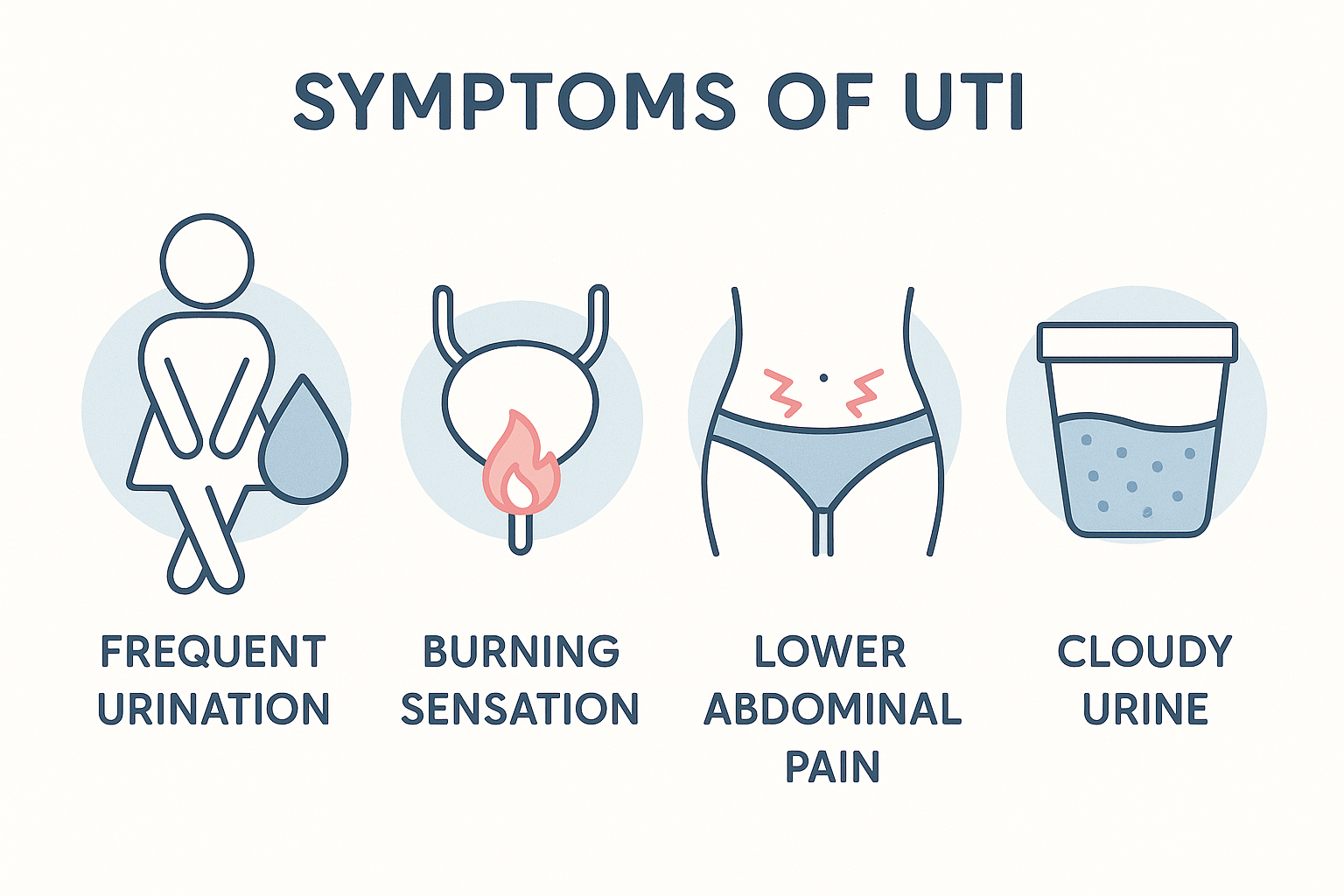
Recognizing UTI symptoms early can help you seek timely treatment. Here are the most common signs:

  • A persistent urge to urinate, even if little comes out

  • Burning sensation or pain while urinating

  • Cloudy, dark, or strong-smelling urine

  • Frequent urination in small amounts

  • Blood in urine (hematuria)

  • Pelvic pain or discomfort in women

  • In severe cases: fever, chills, nausea, or back pain (indicating a kidney infection)

If you notice any of these UTI symptoms, it’s important not to ignore them. Early detection ensures faster recovery.

UTI Causes

A UTI occurs when bacteria, usually E. coli, enter the urinary tract. Several factors increase the risk of UTI infection:

  • Poor personal hygiene

  • Sexual activity (especially with new partners)

  • Use of certain contraceptives like spermicides or diaphragms

  • Hormonal changes during pregnancy or menopause

  • Holding urine for long periods

  • Dehydration (not drinking enough water)

  • Medical conditions such as diabetes or kidney stones

  • Weakened immune system

Understanding these UTI causes can help in reducing your chances of infection.

UTI Treatment Options

If you suspect a UTI infection, visiting a doctor is essential. A healthcare professional will recommend UTI treatment based on the severity of your condition:

1. Antibiotics

The most common UTI treatment, prescribed for bacterial infections. It’s important to complete the full course even if symptoms improve.

2. Increased Fluid Intake

Drinking plenty of water helps flush bacteria from the urinary tract.

3. Pain Relief

Over-the-counter medications may be prescribed to ease discomfort and burning sensation.

If untreated, UTIs can spread to the kidneys and become serious, making early UTI treatment crucial.

When to See a Doctor

Seek medical attention if:

  • Symptoms persist for more than 2 days

  • You notice blood in your urine

  • You experience fever, chills, or severe back pain

  • You have recurring UTIs (multiple infections within a year)

A doctor can provide personalized UTI treatment to prevent further complications.

How to Prevent UTI Infection

Prevention is always better than cure. Here are some effective ways to lower your risk:

  • Stay hydrated  drink 8–10 glasses of water daily

  • Don’t hold urine for long periods

  • Wipe front to back after using the toilet

  • Urinate after sexual intercourse

  • Wear breathable cotton underwear

  • Avoid harsh feminine hygiene products that disrupt natural balance

These simple steps can help reduce the likelihood of UTI infection and improve overall urinary health.

FAQs on UTIs

1. What is the fastest way to cure a UTI?

The fastest way is through prescribed antibiotics. Drinking water and resting help speed up recovery.

2. Can a UTI go away on its own?

Mild cases might resolve, but most UTIs require treatment. Ignoring symptoms can lead to complications.

3. What foods should I avoid with a UTI?

Avoid caffeine, alcohol, artificial sweeteners, and spicy foods as they may irritate the bladder.

4. How do I know if my UTI is serious?

If you experience fever, back pain, nausea, or blood in your urine, seek immediate medical help it may have spread to the kidneys.

5. Are UTIs contagious?

No, UTIs are not contagious. However, sexual activity can increase the risk of infection.

Conclusion: Why Choose Us?

Choose Care For Her as your trusted partner in women’s health. Led by Dr. Anuja Ojha, a dedicated and compassionate obstetrician and gynecologist, we offer personalized care through every stage of womanhood  from adolescence to pregnancy, and beyond.

Our patient-first approach ensures you receive empathetic guidance, advanced medical expertise, and holistic care in a comfortable environment. Whether it’s routine check-ups, fertility consultations, or pregnancy care, we’re here to support your journey with trust and transparency.

To learn more, contact us at 7400424637 or visit www.careforher.in

Birth Control Methods Explained: Finding What Works for You

Choosing the right birth control method is an important step in managing your reproductive health. With various safe and medically approved methods of birth control available, it’s essential to understand which option best fits your lifestyle, health condition, and family planning goals.

This guide explains the most common types of birth control recommended by doctors, along with their benefits, effectiveness, and considerations.

Why Birth Control Matters

Birth control is more than just preventing pregnancy. Many methods also help regulate menstrual cycles, reduce period pain, improve acne, and even lower the risk of certain cancers. Selecting the right option allows women to take control of their health and make informed choices about their future.

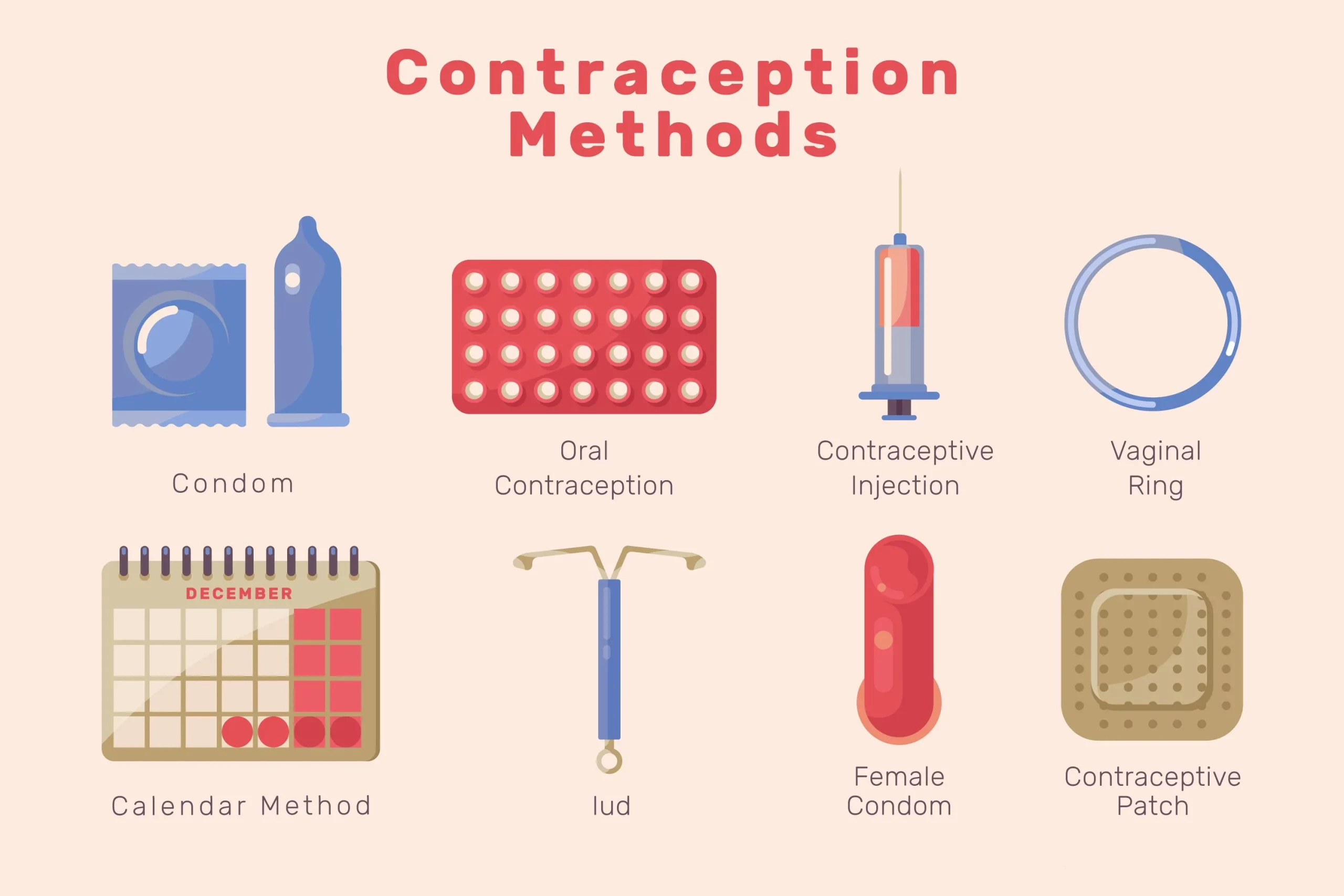
Types of Birth Control (Doctor-Certified)

1. Hormonal Methods

These work by altering hormone levels to stop ovulation, thicken cervical mucus, and prevent pregnancy.

  • Birth control pills: Taken daily at the same time. 
  • Patches: Worn on the skin and changed weekly. 
  • Injections: Administered every 3 months by a healthcare provider. 
  • Vaginal rings: Inserted into the vagina and replaced monthly. 
  • Implants: A small rod placed under the skin, effective for up to 3 years. 

Pros: Highly effective, helps regulate periods, reduces cramps.
Cons: May cause side effects like mood changes, nausea, or weight gain.

2. Barrier Methods

These prevent sperm from reaching the egg.

  • Condoms (male and female): Also provide protection against sexually transmitted infections (STIs). 
  • Diaphragms and cervical caps: Used with spermicide, inserted before intercourse. 

Pros: Easily accessible, reversible, some protect against STIs.
Cons: Must be used correctly every time, slightly less effective than IUDs or hormonal options.

3. Intrauterine Devices (IUDs)

A small T-shaped device placed inside the uterus by a gynecologist.

  • Hormonal IUDs: Release progesterone, effective for 3–6 years. 
  • Copper IUDs: Non-hormonal option, effective for up to 10 years. 

Pros: Long-term, low-maintenance, highly effective.
Cons: Requires doctor insertion, may cause temporary cramping or irregular bleeding.

4. Permanent Methods

For those who are certain they do not want more children.

  • Tubal ligation (female sterilization): Blocks or seals fallopian tubes. 
  • Vasectomy (male sterilization): Prevents sperm from mixing with semen. 

Pros: Permanent, nearly 100% effective.
Cons: Not reversible in most cases, requires a minor surgical procedure.

Choosing the Right Method for You

When comparing different methods of birth control, consider:

  • Do you want short-term or long-term protection? 
  • Are you comfortable with hormonal options? 
  • Do you want protection against STIs? 
  • What are your future family planning goals? 

Your doctor can guide you based on your medical history, lifestyle, and preferences.


FAQs About Birth Control

1. What is the most effective method of birth control?

IUDs and implants are among the most effective, with success rates of over 99%.

2. Do condoms protect against both pregnancy and STIs?

Yes, they are the only method that prevents pregnancy and sexually transmitted infections.

3. Can I switch my birth control method?

Yes, but consult your gynecologist to transition safely without gaps in protection.

4. Are hormonal birth control methods safe?

Yes, most women can use them safely, but a doctor’s evaluation is recommended.

5. Is permanent birth control reversible?

In most cases, no. That’s why it’s advised only for those certain about not wanting future pregnancies.

Conclusion: Why Choose Us?

Choose Care For Her as your trusted partner in women’s health. Led by Dr. Anuja Ojha, a dedicated and compassionate obstetrician and gynecologist, we offer personalized care through every stage of womanhood from adolescence to pregnancy, and beyond. Our patient-first approach ensures you receive empathetic guidance, advanced medical expertise, and holistic care in a comfortable environment. Whether it’s routine check-ups, fertility consultations, or pregnancy care, we’re here to support your journey with trust and transparency.

To learn more, contact us at 7400424637 or visit www.careforher.in.

Understanding Endometriosis: Symptoms, Causes, and Treatment

Endometriosis is a condition that affects millions of women worldwide, yet it is often misunderstood and misdiagnosed. Many women live with painful periods, chronic pelvic pain, or fertility struggles without realizing that endometriosis could be the underlying reason. Understanding what is endometriosis, its symptoms, causes, and treatment options can help women take proactive steps toward better health and improved quality of life.

What is Endometriosis?

Endometriosis is a medical condition in which tissue similar to the lining of the uterus (endometrium) grows outside the uterus. These growths, known as endometrial implants, can appear on the ovaries, fallopian tubes, pelvic lining, and in rare cases, even outside the pelvic area. Unlike normal menstrual tissue, which sheds every month, the tissue in endometriosis has no way to exit the body, leading to inflammation, scarring, and severe pain.

While it is a common condition, many women spend years seeking answers before receiving an accurate diagnosis. Raising awareness about endometriosis and its effects is crucial for timely detection and proper care.

Common Endometriosis Symptoms

Recognizing endometriosis symptoms early can make a big difference in how effectively the condition is managed. Some of the most common signs include:

  • Painful periods (dysmenorrhea) that interfere with daily activities

  • Chronic pelvic pain before and after menstruation

  • Pain during or after sexual intercourse

  • Heavy menstrual bleeding or spotting between periods

  • Difficulty in conceiving (infertility)

  • Digestive issues such as bloating, diarrhea, or constipation during menstruation

  • Fatigue and low energy

Since these symptoms can overlap with other gynecological conditions, it is important to consult a gynecologist for proper evaluation and diagnosis.

Endometriosis Causes: What Triggers the Condition?

The exact endometriosis causes are not fully understood, but several theories exist:

  1. Retrograde menstruation – Menstrual blood containing endometrial cells flows back through the fallopian tubes into the pelvic cavity, where the cells implant and grow.

  2. Genetic factors – A family history of endometriosis may increase the risk of developing the condition.

  3. Immune system dysfunction – A weakened immune system may fail to destroy misplaced endometrial cells.

  4. Hormonal imbalance – High estrogen levels may contribute to the growth and spread of endometrial tissue.

  5. Surgical scars – After surgeries such as C-sections, endometrial cells may attach to the incision site and grow abnormally.

While none of these theories completely explains all cases, they highlight that endometriosis is influenced by a combination of hormonal, genetic, and environmental factors.

How is Endometriosis Diagnosed?

Endometriosis can be difficult to diagnose because its symptoms mimic other conditions. A gynecologist may recommend:

  • Detailed medical history and pelvic examination

  • Ultrasound or MRI scans to detect cysts or abnormal tissue growth

  • Laparoscopy (a minimally invasive surgical procedure) which allows direct visualization and biopsy of suspected endometrial implants

Early diagnosis can help manage symptoms effectively and prevent complications like infertility or chronic pain.

Endometriosis Treatment Options

Although there is currently no permanent cure for endometriosis, several treatment options can help manage symptoms and improve quality of life. The choice of endometriosis treatment depends on the severity of the condition, the woman’s age, and whether she wishes to conceive.

1. Medications

  • Pain relievers – Nonsteroidal anti-inflammatory drugs (NSAIDs) can help reduce menstrual pain and inflammation.

  • Hormonal therapies – Birth control pills, hormone-releasing intrauterine devices (IUDs), or injections can regulate or stop periods, slowing the growth of endometrial tissue.

2. Surgery

  • Laparoscopic surgery – Removes or destroys endometrial implants while preserving reproductive organs.

  • Hysterectomy – In severe cases, the removal of the uterus (sometimes along with ovaries) may be recommended when other treatments fail.

3. Lifestyle and Supportive Care

  • Maintaining a balanced diet rich in anti-inflammatory foods

  • Regular physical activity to improve circulation and reduce pain

  • Stress management techniques such as yoga, meditation, or counseling

  • Support groups to connect with others experiencing endometriosis

4. Fertility Treatments

For women struggling with infertility due to endometriosis, assisted reproductive technologies like in-vitro fertilization (IVF) may be recommended.

Living with Endometriosis

Endometriosis is more than just painful periods—it can affect every aspect of a woman’s life, from work to relationships. However, with early diagnosis, proper treatment, and supportive care, women can manage the condition and live healthier, fulfilling lives.

FAQs on Endometriosis

1. Can endometriosis go away on its own?

Endometriosis rarely goes away completely without treatment. However, symptoms may improve temporarily during pregnancy or after menopause when hormone levels change.

2. Does endometriosis always cause infertility?

Not necessarily. While it can affect fertility in some women, many are still able to conceive naturally or with medical assistance.

3. What is the most effective endometriosis treatment?

The best treatment depends on individual cases. For some, hormonal therapy and pain management may be enough, while others may need surgery or fertility treatments.

4. Can lifestyle changes help manage endometriosis symptoms?

Yes, maintaining a healthy diet, exercising regularly, and reducing stress can help improve overall well-being and reduce the intensity of symptoms.

Why Choose Us?

Care For Her as your trusted partner in women’s health. Led by Dr. Anuja Ojha, a dedicated and compassionate obstetrician and gynecologist, we offer personalized care through every stage of womanhood from adolescence to pregnancy, and beyond. Our patient-first approach ensures you receive empathetic guidance, advanced medical expertise, and holistic care in a comfortable environment. Whether it’s routine check-ups, fertility consultations, or pregnancy care, we’re here to support your journey with trust and transparency. To learn more, contact us at 7400424637 or visit www.careforher.in
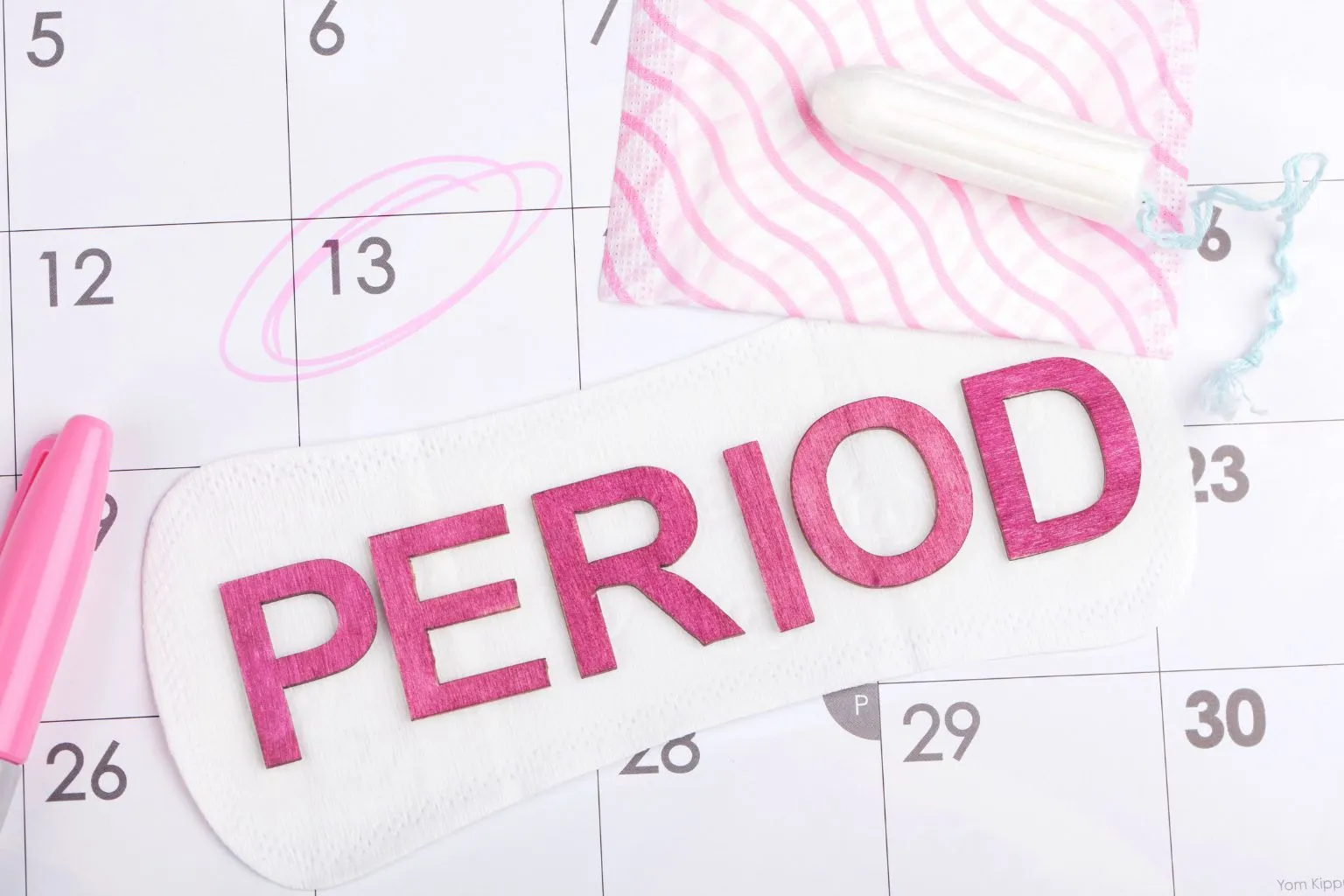
Menopause Myths and Facts: What Every Woman Should Know

Menopause is a natural stage in every woman’s life, yet it continues to be surrounded by confusion, stigma, and misinformation. From whispers about mood swings to misconceptions about fertility, many menopause myths have caused women unnecessary fear and anxiety. Understanding the real menopause facts can empower women to embrace this phase with confidence and take proactive steps toward their health and well-being.

In this blog, we’ll explore common menopause myths and facts, address symptoms like hot flashes and vaginal dryness, and clear up what every woman should truly know.

What is Menopause?

Menopause marks the end of a woman’s menstrual cycles. It is officially diagnosed when a woman has gone 12 consecutive months without a period, usually occurring between ages 45 and 55. While menopause itself is a one-time event, the transition leading up to it—known as perimenopause—can bring noticeable changes due to fluctuating hormone levels.

Symptoms like hot flashes, night sweats, vaginal dryness, mood swings, and sleep disturbances are common. However, menopause does not mean the end of health, vitality, or womanhood—it simply marks a new chapter.

Menopause Myths and Facts

Let’s separate truth from fiction.

Myth 1: Menopause Happens Overnight

Fact: Menopause is a gradual process. Most women experience perimenopause for several years before their periods stop completely. During this time, hormone levels fluctuate, causing irregular cycles and symptoms such as hot flashes and vaginal dryness.

Myth 2: Menopause Means the End of Intimacy

Fact: While vaginal dryness may cause discomfort, it doesn’t mean the end of sexual intimacy. With the right medical guidance, lubricants, moisturizers, or hormone therapy, women can continue to enjoy a healthy sex life.

Myth 3: Weight Gain is Inevitable After Menopause

Fact: Hormonal changes can make it easier to gain weight, especially around the abdomen, but menopause does not guarantee weight gain. A balanced diet, exercise, and lifestyle modifications can help maintain a healthy weight.

Myth 4: Only Hot Flashes Define Menopause

Fact: Hot flashes are one of the most talked-about symptoms, but menopause includes a wide range of changes—such as mood swings, memory lapses, sleep issues, and vaginal dryness. Every woman’s experience is unique.

Myth 5: Menopause Equals Old Age

Fact: Menopause is not the end of youth or vitality. Many women discover a renewed sense of freedom, energy, and focus in their post-menopausal years. With the right care, this stage can be empowering.

Myth 6: Nothing Can Be Done About Menopause Symptoms

Fact: From lifestyle adjustments to medical treatments, plenty can be done. Regular exercise, a nutrient-rich diet, stress management, and, if necessary, hormone replacement therapy (HRT) can significantly reduce discomfort.

Understanding Common Symptoms of Menopause

Menopause symptoms vary in intensity and duration, but knowing what to expect makes the transition smoother.

Hot Flashes

Hot flashes are sudden feelings of warmth, often spreading across the face, neck, and chest. They may last a few seconds or several minutes and can occur during the day or night. While common, they can be managed through lifestyle strategies and medical treatment if severe.

Vaginal Dryness

A drop in estrogen levels leads to thinning of vaginal tissues, causing dryness, irritation, and discomfort during intercourse. Simple solutions such as lubricants, moisturizers, or prescribed therapies can greatly improve quality of life.

Emotional and Cognitive Changes

Mood swings, irritability, or mild forgetfulness are often reported during menopause. These changes are linked to hormonal fluctuations but can be managed with proper support, counseling, and lifestyle adjustments.

Also Read : Menopause Symptoms, Causes, and Treatment

The Importance of Knowing Menopause Myths and Facts

Clearing up menopause myths and facts helps women make informed decisions about their health. Instead of fearing menopause, women should see it as a natural transition that can be managed with the right knowledge and care. By understanding that hot flashes and vaginal dryness are manageable, and that menopause does not define aging or loss of femininity, women can approach this stage with confidence.

Lifestyle Tips for Managing Menopause Smoothly

  1. Maintain a balanced diet rich in calcium, vitamin D, and lean proteins.

  2. Stay active with regular exercise—both cardio and strength training.

  3. Practice stress-relief techniques such as yoga, meditation, or deep breathing.

  4. Keep hydrated to help reduce hot flashes and maintain skin health.

  5. Discuss any troubling symptoms like vaginal dryness with a gynecologist for timely treatment.

FAQs About Menopause

Q1: What age does menopause usually occur?
Most women experience menopause between ages 45 and 55, but it can happen earlier or later.

Q2: Are hot flashes permanent?
Hot flashes usually lessen over time, but their duration varies. Some women experience them for just a few years, while others may have them longer.

Q3: Can menopause affect mental health?
Yes, hormonal shifts can impact mood, leading to anxiety, irritability, or depression. Seeking support from a healthcare professional can help.

Q4: Does every woman experience vaginal dryness?
Not all women do, but many experience vaginal dryness during menopause due to declining estrogen levels. It can be easily managed with medical care.

Q5: Is hormone therapy safe for everyone?
Hormone replacement therapy can be highly effective but is not suitable for everyone. Always consult a gynecologist to determine if it’s right for you.

Conclusion

Menopause is a significant milestone in a woman’s life, but it does not define her future health, beauty, or happiness. By separating menopause myths from facts, women can embrace this natural stage with knowledge and strength. With proper support, lifestyle adjustments, and medical care, symptoms like hot flashes and vaginal dryness can be effectively managed, allowing women to lead fulfilling lives.

Why Choose Us?

Choose Care For Her as your trusted partner in women’s health. Led by Dr. Anuja Ojha, a dedicated and compassionate obstetrician and gynecologist, we offer personalized care through every stage of womanhood from adolescence to pregnancy, and beyond. Our patient-first approach ensures you receive empathetic guidance, advanced medical expertise, and holistic care in a comfortable environment. Whether it’s routine check-ups, fertility consultations, or pregnancy care, we’re here to support your journey with trust and transparency. To learn more, contact us at 7400424637 or visit www.careforher.in
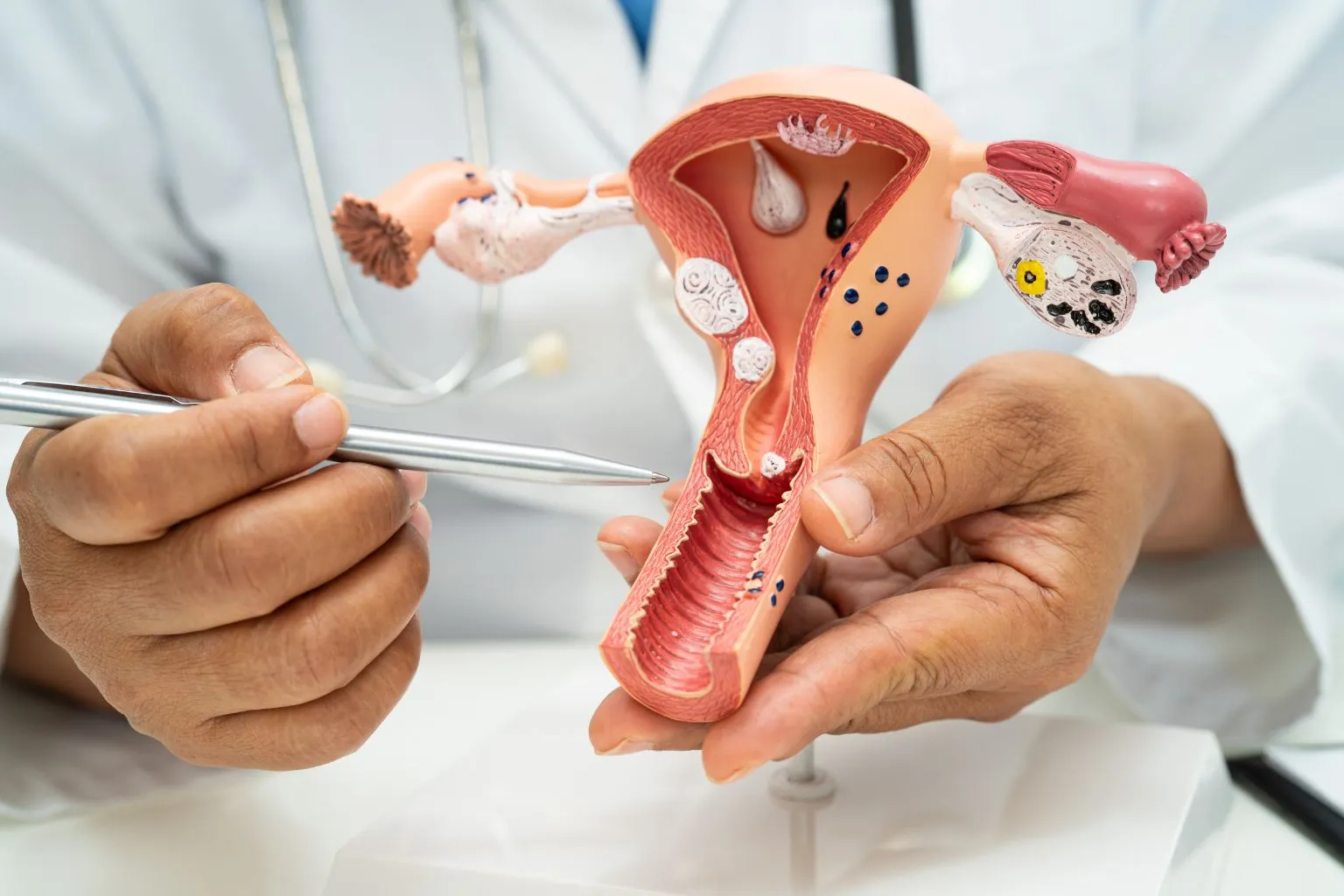
HPV & Beyond: Vaccination’s Role in Preventing Cervical Cancer

Cervical cancer is one of the most common cancers affecting women worldwide, yet it is also one of the most preventable. The introduction of the HPV vaccine has transformed the way we look at prevention, offering women and young girls a powerful shield against HPV cervical cancer. But what exactly is HPV, what causes it, and how does vaccination help protect women from this silent threat? Let’s explore in detail.

Understanding HPV and Cervical Cancer

Human Papillomavirus, commonly known as HPV, is a group of viruses that affect both men and women. While most HPV infections clear up on their own, certain high-risk strains are directly linked to cervical cancer. Globally, nearly all cases of cervical cancer are caused by persistent HPV infections.

HPV cervical cancer develops when these high-risk strains attack the cells of the cervix, causing abnormal changes. If left undetected, these changes can progress into cancer over time. This is why awareness, regular screening, and timely vaccination are essential for women’s health.

What Causes HPV in Females?

Many women often wonder what causes HPV in females. The virus is primarily transmitted through intimate skin-to-skin contact, most often during sexual activity. However, HPV can also spread through non-sexual routes, though these are less common. Factors that increase the risk of HPV infection include early sexual activity, multiple partners, a weak immune system, and lack of vaccination.

It is important to remember that HPV is extremely common, and most sexually active women will be exposed at some point in their lives. The key lies in preventing persistent infection with high-risk HPV strains that lead to cervical cancer.

The Role of the HPV Vaccine

The HPV vaccine is one of the most effective preventive tools available today. It protects against the most dangerous strains of HPV that cause up to 70-90% of cervical cancer cases. By receiving the vaccine before exposure to the virus, women and girls significantly reduce their risk of developing HPV cervical cancer later in life.

The vaccine is recommended for young girls between ages 9–14, as it works best when given before the onset of sexual activity. However, older adolescents and young women can also benefit. In fact, some versions of the vaccine provide protection against additional HPV-related conditions, including genital warts and other cancers of the reproductive system.

HPV Vaccine Cost: Is It Worth It?

One of the most common questions women ask is about the HPV vaccine cost. While the price may vary depending on the brand, number of doses, and healthcare facility, it is important to view it as an investment in long-term health. The cost of treatment for cervical cancer—physically, emotionally, and financially—far outweighs the one-time expense of preventive vaccination.

In India, the HPV vaccine cost typically ranges between a few thousand rupees per dose. Though it might seem significant initially, the peace of mind and protection it offers are invaluable.

Why Cervical Cancer Screening Matters

Even with the HPV vaccine, regular cervical cancer screening through Pap smears and HPV DNA testing remains crucial. Vaccination reduces the risk, but it does not eliminate it completely, as not all cancer-causing HPV strains are covered by the vaccine. Early detection of abnormal cervical changes ensures timely treatment and prevents progression into cancer.

Building Awareness: A Community Responsibility

Preventing cervical cancer through HPV vaccination is not just a personal choice but also a public health responsibility. By vaccinating young girls and raising awareness among women, communities can drastically reduce the burden of cervical cancer. Countries that have successfully implemented mass HPV vaccination programs have already seen a decline in infection rates and related cancers.

FAQs About HPV and Vaccination

Is the HPV vaccine safe?

Yes, the HPV vaccine has been extensively studied and proven safe. Millions of doses have been administered worldwide with a strong track record of safety.

At what age should the HPV vaccine be taken?

The ideal age is between 9–14 years, but it can also be given up to 26 years. In some cases, women up to age 45 may be eligible based on medical advice.

Can the HPV vaccine treat existing HPV infections?

No, the vaccine is preventive, not curative. It does not treat existing infections but protects against future ones.

Is HPV infection always linked to cervical cancer?

Not always. While many HPV infections resolve on their own, persistent infection with high-risk strains can lead to cervical cancer.

What is the HPV vaccine cost in India?

The HPV vaccine cost may vary, usually ranging between ₹2,000–₹4,000 per dose, depending on the brand and hospital.

Conclusion: Protecting Women’s Health with HPV Vaccination

Cervical cancer is a largely preventable disease, and the HPV vaccine has proven to be a game-changer in reducing the risk. Along with regular screening and healthy lifestyle choices, vaccination empowers women to take control of their health and safeguard their future.

Why Choose Us?

Choose Care For Her as your trusted partner in women’s health. Led by Dr. Anuja Ojha, a dedicated and compassionate obstetrician and gynecologist, we offer personalized care through every stage of womanhood from adolescence to pregnancy, and beyond. Our patient-first approach ensures you receive empathetic guidance, advanced medical expertise, and holistic care in a comfortable environment. Whether it’s routine check-ups, fertility consultations, or pregnancy care, we’re here to support your journey with trust and transparency. To learn more, contact us at 7400424637 or visit www.careforher.in
Menstrual Disorders: Types & Causes

Menstruation is a natural part of a woman’s reproductive health, but for many, it doesn’t always happen smoothly. When there are irregularities in the cycle—whether it’s missed periods, excessive bleeding, or severe pain—it may indicate underlying menstrual disorders. These conditions not only affect physical health but can also impact emotional well-being and quality of life.

In this blog, we’ll explore the types of menstrual disorders, the common causes of menstrual disorders, and how to recognize when it’s time to seek medical care.

What Are Menstrual Disorders?

Menstrual disorders are abnormalities in the monthly cycle that affect the regularity, frequency, duration, or intensity of menstruation. While occasional irregularities can be normal due to stress, travel, or hormonal fluctuations, consistent problems may point to menstrual cycle disorders that require medical attention.

Common Types of Menstrual Disorders

Understanding the different types of menstrual disorders helps in identifying the problem early and seeking appropriate treatment.

1. Amenorrhea

This refers to the absence of menstruation.

  • Primary amenorrhea: When periods do not begin by age 15. 
  • Secondary amenorrhea: When periods that were once regular suddenly stop for at least three months. 

2. Dysmenorrhea

This is painful menstruation caused by uterine contractions. It can be:

  • Primary dysmenorrhea: Painful cramps without any underlying condition. 
  • Secondary dysmenorrhea: Pain linked to conditions like endometriosis or fibroids. 

3. Menorrhagia

Characterized by abnormally heavy or prolonged menstrual bleeding. Women may soak through sanitary pads or tampons every hour and experience significant fatigue.

4. Oligomenorrhea

Infrequent menstrual periods—cycles that are longer than 35 days apart.

5. Polymenorrhea

When menstrual cycles occur too frequently (less than 21 days apart).

6. Premenstrual Syndrome (PMS) and PMDD

PMS includes symptoms such as mood swings, bloating, and breast tenderness. A more severe form, premenstrual dysphoric disorder (PMDD), involves intense emotional symptoms that interfere with daily life.

These menstrual cycle disorders vary in severity but share the potential to disrupt daily routines and overall health.

Causes of Menstrual Disorders

The causes of menstrual disorders can differ for each woman, but some common factors include:

1. Hormonal Imbalances

  • Fluctuations in estrogen and progesterone levels can disrupt regular cycles. 
  • Thyroid disorders can also influence menstrual health. 

2. Medical Conditions

  • Polycystic Ovary Syndrome (PCOS) is a leading cause of irregular cycles. 
  • Endometriosis, uterine fibroids, and pelvic inflammatory disease can also trigger abnormal bleeding and pain. 

3. Lifestyle Factors

  • Stress, excessive exercise, and sudden weight changes often affect the menstrual cycle. 
  • Poor nutrition and sleep disturbances also contribute to irregularities. 

4. Medications

Certain contraceptives, blood thinners, or chemotherapy drugs may cause menstrual cycle disorders.

5. Other Causes

  • Pregnancy and breastfeeding naturally halt or alter menstruation. 
  • Perimenopause often leads to irregular bleeding patterns. 

When Should You See a Doctor?

While minor irregularities can be normal, it’s important to consult a gynecologist if you experience:

  • Severe pain during periods 
  • Excessively heavy bleeding 
  • Periods that suddenly stop without reason 
  • Cycles shorter than 21 days or longer than 35 days 
  • Symptoms of anemia such as fatigue and dizziness 

Early diagnosis of menstrual disorders helps in managing symptoms effectively and preventing complications.

Managing Menstrual Disorders

Treatment depends on the type and cause of the disorder. Options may include:

  • Lifestyle changes such as stress management, diet improvements, and regular exercise 
  • Medications like hormonal therapies , pain relievers, or iron supplements 
  • Surgical interventions in severe cases, such as fibroid removal or laparoscopy for endometriosis 

Personalized care from a specialist ensures the right approach for each patient.

FAQs on Menstrual Disorders

1. Are menstrual disorders common?

Yes, a significant number of women experience some form of menstrual irregularity during their reproductive years.

2. Can stress cause menstrual cycle disorders?

Absolutely. Stress impacts hormonal balance, which can lead to delayed or missed periods.

3. Is heavy bleeding always a sign of a serious condition?

Not always, but consistent heavy bleeding should be evaluated to rule out fibroids, hormonal issues, or other medical conditions.

4. Can menstrual disorders affect fertility?

Yes. Disorders like PCOS or endometriosis may affect ovulation, making it harder to conceive.

Conclusion

Menstrual health is an essential part of overall well-being. Being aware of the different types of menstrual disorders and the causes of menstrual disorders helps women recognize when something isn’t right and seek timely medical care. With the right diagnosis and treatment, most menstrual cycle disorders can be effectively managed.

Why Choose Us?

Choose Care For Her as your trusted partner in women’s health. Led by Dr. Anuja Ojha, a dedicated and compassionate obstetrician and gynecologist, we offer personalized care through every stage of womanhood from adolescence to pregnancy, and beyond. Our patient-first approach ensures you receive empathetic guidance, advanced medical expertise, and holistic care in a comfortable environment. Whether it’s routine check-ups, fertility consultations, or pregnancy care, we’re here to support your journey with trust and transparency. To learn more, contact us at 7400424637 or visit www.careforher.in.

Top Causes of Female Infertility

Trying to conceive can be one of the most hopeful—and sometimes, most emotionally challenging—times in a woman’s life. When conception doesn’t happen as expected, the reason could lie within a variety of physical or hormonal factors. Female infertility is more common than many think, affecting millions of women worldwide. The good news is that with proper diagnosis and support, many women go on to have healthy pregnancies.

At Care For Her, we believe in educating and empowering women to take charge of their reproductive health. In this article, we explore the top female infertility causes, common signs, and how medical advancements can help overcome them.

What Is Female Infertility?

Female infertility is defined as the inability to conceive after 12 months of regular, unprotected sexual intercourse (or 6 months if the woman is over age 35). While infertility can result from male, female, or combined factors, nearly 40% of all infertility cases are attributed to female infertility causes.

Understanding what causes female infertility is the first step in addressing it effectively.

Common Female Infertility Symptoms

In many cases, women may not experience any obvious signs until they start trying to conceive. However, there are several female infertility symptoms that may suggest an underlying problem:

  • Irregular or absent menstrual cycles
  • Pain during sex or menstruation
  • Unusual or excessive menstrual bleeding
  • Weight changes, especially unexplained weight gain or loss
  • Hormonal imbalances (acne, facial hair, hair thinning)
  • History of pelvic infections or surgeries

If you experience any of these female infertility symptoms, it’s advisable to seek medical advice early—even before attempting conception.

Top Reasons for Female Infertility

Let’s take a closer look at the top reasons for female infertility, covering the most common medical, anatomical, and lifestyle-related causes.

1. Ovulation Disorders

One of the leading female infertility causes is a disruption in ovulation. If eggs are not released regularly or at all, conception becomes difficult.

Common conditions include:

  • Polycystic Ovary Syndrome (PCOS)

  • Thyroid disorders (hypothyroidism or hyperthyroidism)

  • Hyperprolactinemia (excess production of prolactin)

  • Premature Ovarian Insufficiency (POI)

Ovulation disorders are also among the most treatable reasons for female infertility with the help of medications and lifestyle adjustments.

2. Tubal Blockages or Damage

Damaged or blocked fallopian tubes prevent the sperm from reaching the egg, or the fertilized egg from reaching the uterus.

Causes include:

  • Pelvic inflammatory disease (PID)

  • Endometriosis

  • Previous surgeries or ectopic pregnancies

Tubal factors account for a significant portion of what causes female infertility and may require surgical correction or assisted reproductive techniques like IVF.

3. Endometriosis

Endometriosis occurs when the tissue that normally lines the uterus grows outside of it—on the ovaries, fallopian tubes, or pelvic lining. This can cause inflammation, scar tissue, and pain.

It’s one of the underestimated female infertility causes and often goes undiagnosed until a woman has trouble conceiving.

4. Uterine or Cervical Abnormalities

Physical issues with the uterus or cervix can also interfere with fertility.

Examples include:

  • Fibroids

  • Uterine polyps

  • Septate uterus (a birth defect affecting the shape of the uterus)

  • Cervical stenosis (narrowing of the cervix)

These issues may obstruct implantation or the journey of sperm to the egg.

5. Hormonal Imbalances

Reproductive hormones play a crucial role in regulating ovulation and preparing the uterine lining for implantation. When hormones like FSH, LH, estrogen, and progesterone are imbalanced, fertility can be compromised.

Hormonal-related female infertility symptoms might include irregular periods, skin and hair changes, and mood swings.

6. Age-Related Decline in Fertility

Age is a natural but significant factor in fertility. A woman’s fertility starts to decline after age 30 and drops sharply after 35 due to a decrease in the number and quality of eggs.

This decline is one of the most common reasons for female infertility in modern society, as more women delay childbearing due to career or personal goals.

7. Lifestyle and Environmental Factors

Sometimes the answer to what causes female infertility lies in day-to-day choices or exposures:

  • Smoking and alcohol use

  • Excessive stress

  • Obesity or being underweight

  • Poor nutrition

  • Exposure to environmental toxins or radiation

Making lifestyle changes can significantly improve fertility in many cases.

Diagnosis and Evaluation

If you suspect female infertility, timely evaluation is essential. Your gynecologist may recommend:

  • Blood tests to evaluate hormone levels
  • Ultrasound to check for cysts, fibroids, or ovulation
  • Hysterosalpingography (HSG) to check fallopian tubes
  • Laparoscopy to look for endometriosis or pelvic adhesions

At Care For Her, we offer comprehensive fertility assessments and personalized plans to help you understand the root of your challenges.

Female Infertility Treatment Options

Depending on the cause, female infertility treatment may include:

  • Ovulation-inducing medications like Clomid or Letrozole

  • Hormone therapy for thyroid or pituitary imbalances

  • Surgical intervention for fibroids, endometriosis, or blocked tubes

  • Intrauterine insemination (IUI)

  • In vitro fertilization (IVF)

Modern female infertility treatment offers promising success rates when guided by experienced professionals.

FAQs

1. What are the early signs of female infertility?

Some early female infertility symptoms include irregular periods, painful periods, or lack of menstruation. However, some women may not show symptoms until they start trying to conceive.

2. Can stress cause infertility?

Yes, chronic stress can disrupt hormone levels and ovulation, making it one of the lesser-known reasons for female infertility.

3. At what age should I worry about infertility?

If you’re under 35 and haven’t conceived after 12 months, consult a doctor. If you’re over 35, seek help after 6 months. Age is a significant factor in female infertility.

4. Can infertility be cured?

While not all cases are “cured,” many female infertility causes can be managed or treated with medical help, resulting in successful pregnancies.

5. Is IVF the only option for infertility?

No. IVF is one of many female infertility treatment options. Many cases can be resolved with medication, minor procedures, or lifestyle changes.

Why Choose Us?

Choose Care For Her as your trusted partner in women’s health. Led by Dr. Anuja Ojha, a dedicated and compassionate obstetrician and gynecologist, we offer personalized care through every stage of womanhood from adolescence to pregnancy, and beyond. Our patient-first approach ensures you receive empathetic guidance, advanced medical expertise, and holistic care in a comfortable environment. Whether it’s routine check-ups, fertility consultations, or pregnancy care, we’re here to support your journey with trust and transparency. To learn more, contact us at 7400424637 or visit www.careforher.in
What’s Normal and What’s Not in Your Menstrual Cycle

Every woman’s body is unique, but when it comes to the menstrual cycle, understanding what’s typical and what signals a problem is key to maintaining reproductive health. Whether you’re tracking your period for fertility, managing PMS, or just aiming to feel more in control of your body, distinguishing between a normal menstrual cycle and an abnormal menstrual cycle can help you stay proactive about your health.

At Care For Her, we aim to empower women with the right knowledge to recognize menstrual cycle issues and take timely action.

Understanding the Menstrual Cycle

The menstrual cycle is the monthly hormonal process that prepares your body for pregnancy. It starts on the first day of your period and ends on the day before your next period begins. A normal menstrual cycle typically lasts between 21 and 35 days, with bleeding lasting 2 to 7 days.

While every cycle can slightly differ from month to month, major changes or disruptions may point to underlying health concerns.

What’s Considered a Normal Menstrual Cycle?

Here are key characteristics of a normal menstrual cycle:

  • Cycle Length: 21 to 35 days
  • Period Duration: 2 to 7 days
  • Blood Flow: 30 to 80 ml per cycle (about 2 to 6 tablespoons)
  • Mild Symptoms: Some cramping, mood swings, or breast tenderness are common
  • Predictable Timing: Your period arrives around the same time each month

If your cycles fall within this range most months, you likely have a normal menstrual cycle.

Signs of an Abnormal Menstrual Cycle

An abnormal menstrual cycle can manifest in various ways. These changes might be occasional or persistent and may require medical evaluation. Watch out for:

  • Heavy Bleeding (menorrhagia): Soaking through pads or tampons every hour
  • Very Light or Missed Periods: May indicate hormonal imbalance or other health issues
  • Bleeding Between Periods
  • Severe Pain or Cramps: That interfere with daily life
  • Sudden Cycle Changes: Especially if you’re over 35 or nearing menopause

An abnormal menstrual cycle may stem from conditions like PCOS, thyroid dysfunction, fibroids, or even stress. If you’re experiencing one or more of these issues frequently, it’s time to consult a gynecologist.

Irregular Menstrual Cycle: Is It Normal?

An irregular menstrual cycle means that your periods don’t follow a consistent pattern. One month, it may be 24 days; the next, 40. While some fluctuation is normal, repeated irregularities may indicate a problem.

Common causes of an irregular menstrual cycle include:

  • Hormonal imbalances (especially estrogen and progesterone)
  • Polycystic ovary syndrome (PCOS)
  • Sudden weight changes
  • Stress and sleep disturbances
  • Excessive exercise
  • Certain medications

Women with an irregular menstrual cycle may find it harder to predict ovulation or manage PMS, which can impact fertility or overall well-being. Keeping a monthly log of your periods helps identify patterns and aids in diagnosis.

Common Menstrual Cycle Issues

There are several menstrual cycle issues that women may face, including:

  • Amenorrhea: Absence of menstruation for three or more months
  • Dysmenorrhea: Painful periods with severe cramps
  • Menorrhagia: Heavy, prolonged bleeding
  • Oligomenorrhea: Infrequent periods (cycle length greater than 35 days)

Addressing menstrual cycle issues early helps prevent complications like anemia, infertility, or unmanaged chronic conditions. At Care For Her, we take every symptom seriously to provide personalized guidance and care.

When to See a Gynaecologist

Seek medical help if:

  • Your period suddenly becomes very heavy or very light
  • You miss more than three consecutive periods (not due to pregnancy)
  • You experience sharp pelvic pain with your period
  • Your irregular menstrual cycle is affecting your quality of life
  • You have ongoing menstrual cycle issues like spotting or mood swings

No concern is too small. Early evaluation of an abnormal menstrual cycle often leads to better outcomes.

FAQs

  1. How do I know if my menstrual cycle is normal?

    Track the length, flow, and symptoms of your menstrual cycle for a few months. If it falls between 21–35 days and has a consistent pattern, it’s likely a normal menstrual cycle.

  2. What causes an irregular menstrual cycle?

    An irregular menstrual cycle may be caused by PCOS, thyroid problems, stress, or weight fluctuations. Lifestyle changes and medical treatments can help regulate your cycle.

  3. Is it normal to skip a period occasionally?

    Occasionally missing a period due to stress or travel is common. However, frequent skipped periods may signal an abnormal menstrual cycle that needs evaluation.

  4. Can birth control help with menstrual cycle issues?

    Yes, hormonal birth control is often prescribed to regulate cycles, reduce heavy bleeding, or manage pain in those with menstrual cycle issues.

  5. When should I worry about changes in my menstrual cycle?

    If you notice sudden changes in flow, length, or symptoms—especially if they persist for more than three cycles—it’s time to see a gynecologist.

Why Choose Us?

Choose Care For Her as your trusted partner in women’s health. Led by Dr. Anuja Ojha, a dedicated and compassionate obstetrician and gynecologist, we offer personalized care through every stage of womanhood from adolescence to pregnancy, and beyond. Our patient-first approach ensures you receive empathetic guidance, advanced medical expertise, and holistic care in a comfortable environment. Whether it’s routine check-ups, fertility consultations, or pregnancy care, we’re here to support your journey with trust and transparency. To learn more, contact us at 7400424637 or visit www.careforher.in
Hormonal Imbalance in Women

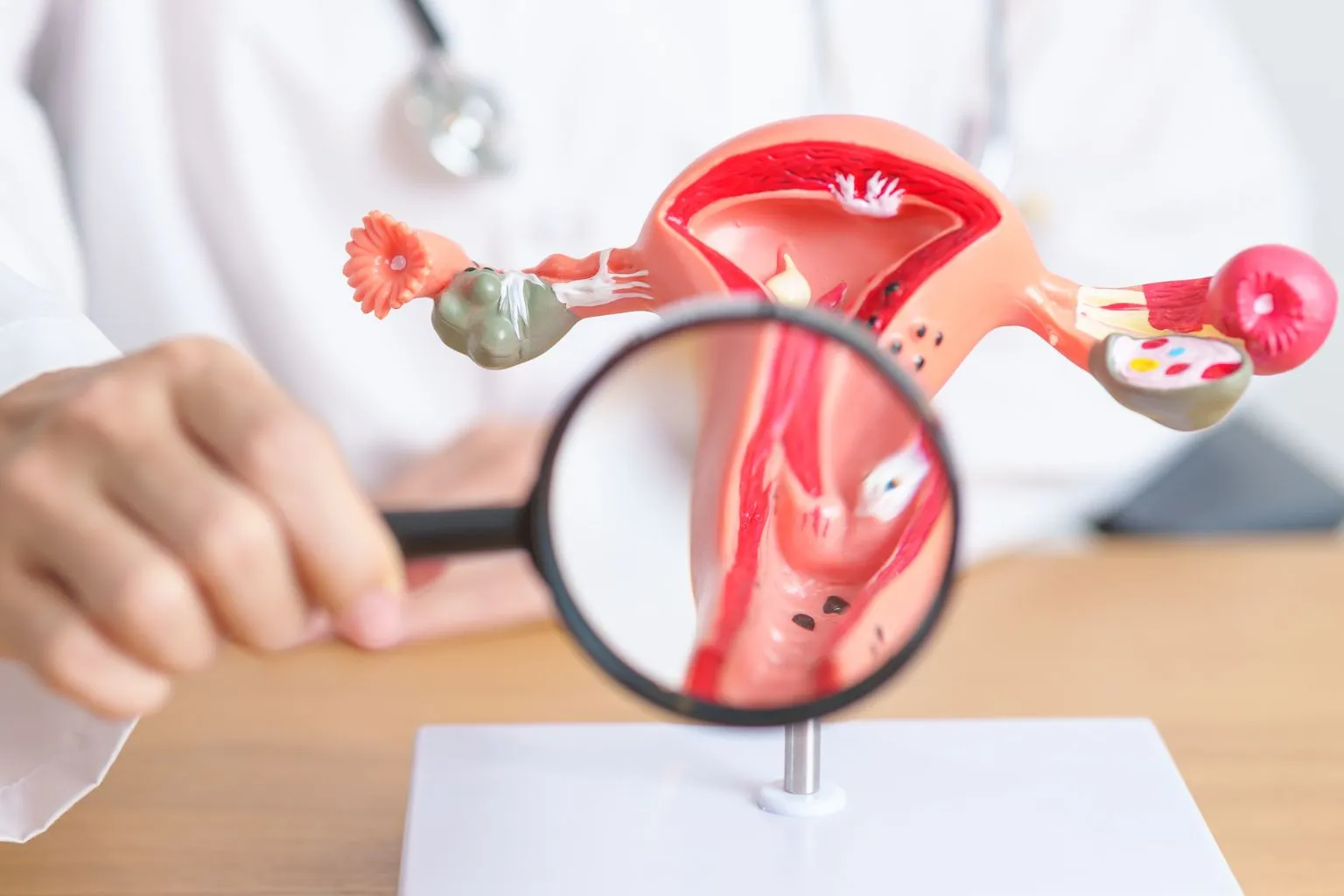
Hormonal imbalance is a common health issue that affects women across all age groups, often leading to a spectrum of physical and emotional challenges. Understanding what hormonal imbalance is, recognizing hormonal imbalance symptoms, and learning about hormonal imbalance treatment options can empower women to take control of their health and well-being.

What is Hormonal Imbalance?

Hormonal imbalance refers to a disruption in the body’s endocrine system, where hormones are produced, regulated, and maintained. Hormones are chemical messengers that influence nearly every bodily function, from metabolism and mood to reproductive health and energy levels. When these delicate chemical signals are thrown off balance, it can trigger a range of health complications.

Hormonal Imbalance in Women: Key Factors

Hormonal imbalance in women can result from various internal and external influences. Identifying the underlying causes helps guide effective management strategies. Common factors contributing to hormonal imbalance in women include:

  • Stress and Lifestyle: Chronic stress elevates cortisol levels, which can interfere with other vital hormones, creating a domino effect of imbalance.
  • Diet and Nutrition: Poor nutrition or extreme dieting may deprive the body of essential nutrients needed for hormone synthesis, exacerbating hormonal imbalance in women.
  • Thyroid Disorders: Conditions such as hypothyroidism and hyperthyroidism directly impact metabolic rate and energy levels, often coexisting with hormonal imbalance.
  • Polycystic Ovary Syndrome (PCOS): PCOS is a prevalent endocrine disorder characterized by elevated androgens, irregular menstrual cycles, and ovarian cysts, representing a primary example of hormonal imbalance in women.
  • Menopause and Perimenopause: The transition to menopause involves significant shifts in estrogen and progesterone levels, often triggering symptoms associated with hormonal imbalance.

Hormonal Imbalance Symptoms

Recognizing hormonal imbalance symptoms is the first step toward seeking help. Symptoms may vary in intensity and combination but commonly include:

  • Irregular or absent menstrual cycles
  • Sudden weight gain or unexplained weight loss
  • Persistent fatigue and low energy
  • Mood swings, anxiety, or depression
  • Acne, skin changes, or hair loss
  • Sleep disturbances, including insomnia and restless sleep

If you notice any of these hormonal imbalance symptoms, consult a healthcare professional for assessment and guidance.

Reasons for Hormonal Imbalance

Several physiological and environmental factors contribute to reasons for hormonal imbalance. Key reasons for hormonal imbalance include:

  1. Age-Related Changes: Natural hormonal fluctuations occur during puberty, menstruation, pregnancy, and menopause, each presenting unique challenges.
  2. Environmental Toxins: Exposure to endocrine-disrupting chemicals found in plastics, cosmetics, and pesticides can mimic or block hormone activity, leading to imbalance.
  3. Chronic Illness and Medications: Certain medical conditions and long-term medication use, such as corticosteroids, can alter hormone production and feedback mechanisms.

Hormonal Imbalance Treatment

Effective hormonal imbalance treatment depends on the root cause and symptom profile. Common approaches include:

  • Lifestyle Modifications: Incorporating balanced nutrition, regular exercise, and stress management techniques can restore equilibrium and alleviate symptoms associated with hormonal imbalance.
  • Medical Therapies: Hormone replacement therapy (HRT), thyroid medications, and targeted treatments for conditions like PCOS form the cornerstone of medical intervention.
  • Nutritional Supplements: Vitamins D, B-complex, magnesium, and omega-3 fatty acids support endocrine function and can complement other hormonal imbalance treatment strategies.

FAQs about Hormonal Imbalance in Women

Q1. Can hormonal imbalance cause infertility?

A: Yes, untreated hormonal imbalance in women can disrupt ovulation and menstrual cycles, potentially affecting fertility.

Q2. How long does it take to treat hormonal imbalance?

A: The timeline varies based on the underlying cause and treatment approach but typically ranges from several weeks to a few months for noticeable improvement.

Q3. Are there natural hormonal imbalance treatment options?

A: Yes, lifestyle changes, dietary interventions, and certain herbal supplements (like maca root and ashwagandha) can support hormonal balance naturally.

Q4. Does stress management help with hormonal imbalance?

A: Definitely. Reducing stress through mindfulness, yoga, and adequate sleep plays a pivotal role in regulating cortisol and supporting overall endocrine health.

Q5. When should I see a doctor for hormonal imbalance symptoms?

A: If you experience persistent or worsening symptoms such as irregular periods, severe fatigue, or mood disturbances, consult a specialist for proper evaluation.

Why Choose Us?

Choose Care For Her as your trusted partner in women’s health. Led by Dr. Anuja Ojha, a dedicated and compassionate obstetrician and gynecologist, we offer personalized care through every stage of womanhood from adolescence to pregnancy, and beyond. Our patient-first approach ensures you receive empathetic guidance, advanced medical expertise, and holistic care in a comfortable environment. Whether it’s routine check-ups, fertility consultations, or pregnancy care, we’re here to support your journey with trust and transparency. To learn more, contact us at 7400424637 or visit www.careforher.in
Postpartum Depression: Symptoms & Causes

Postpartum depression is a serious mental health issue affecting numerous women globally, often misunderstood or underestimated in its severity. Understanding what postpartum depression is, recognizing postpartum depression symptoms, and identifying postpartum depression causes is crucial for timely intervention and effective treatment.

What is Postpartum Depression?

Postpartum depression (PPD) is a severe form of depression that occurs in women following childbirth. It typically emerges within the first few weeks after delivery but can appear anytime during the first year postpartum. Unlike the commonly experienced “baby blues,” postpartum depression symptoms are intense, persistent, and significantly impact daily functioning.

Understanding Postpartum Depression in Women

Postpartum depression in women manifests uniquely, influenced by physical, emotional, and environmental factors. It affects approximately 1 in 7 women, making it a widespread and significant health concern. Recognizing postpartum depression in women early can help mitigate prolonged suffering and support healthier mother-child relationships.

Postpartum Depression Symptoms

Identifying postpartum depression symptoms is essential to ensure prompt medical support. Common symptoms include:

  • Persistent sadness and feelings of hopelessness
  • Loss of interest in activities once enjoyed
  • Severe mood swings and irritability
  • Difficulty bonding with the newborn
  • Excessive crying and emotional sensitivity
  • Changes in appetite (eating too little or too much)
  • Insomnia or excessive sleeping
  • Fatigue and lack of energy
  • Feelings of worthlessness or guilt
  • Difficulty concentrating or making decisions
  • Thoughts of harming oneself or the baby

Women experiencing these postpartum depression symptoms should seek professional support immediately, as early intervention significantly improves outcomes.

Postpartum Depression Causes

Understanding postpartum depression causes is essential for prevention and effective management. While exact causes vary, several factors significantly contribute to the development of postpartum depression in women:

1. Hormonal Changes:

Rapid hormonal shifts after childbirth, particularly declines in estrogen and progesterone, significantly impact mood and emotional stability.

2. Physical Changes:

Physical exhaustion from childbirth, coupled with postpartum recovery, sleep deprivation, and significant lifestyle adjustments, intensify vulnerability to depression.

3. Emotional Factors:

Personal or family history of depression, anxiety, or mood disorders heightens the risk. Emotional stress, relationship difficulties, and lack of support are significant contributors.

4. Environmental and Social Factors:

Stressful life events such as financial problems, lack of social support, or traumatic childbirth experiences can exacerbate postpartum depression symptoms.

FAQs about Postpartum Depression

Q1. How common is postpartum depression?

A: Postpartum depression affects approximately 10-15% of new mothers globally.

Q2. Can postpartum depression affect fathers?

A: Yes, fathers can also experience postpartum depression, known as paternal postpartum depression, though it’s less discussed and recognized.

Q3. How long does postpartum depression typically last?

A: Without treatment, postpartum depression can last several months to over a year. However, effective treatment can significantly reduce symptoms.

Q4. Is postpartum depression preventable?

A: While not entirely preventable, early screening, education, emotional support, and counseling can significantly reduce the risk and severity.

Q5. What treatments are available for postpartum depression?

A: Common treatments include psychotherapy, medications (antidepressants), support groups, and lifestyle changes such as improved diet, exercise, and sleep management.

Q6. Does postpartum depression only occur after the first child?

A: No, postpartum depression can occur after any pregnancy, regardless of whether it is the first or subsequent childbirth.

Q7. Can postpartum depression recur?

A: Yes, women who have experienced postpartum depression previously are at higher risk for recurrence in future pregnancies.

Seeking Help for Postpartum Depression

Timely recognition of postpartum depression symptoms and understanding postpartum depression causes are critical for initiating effective treatment. Women experiencing persistent depressive symptoms after childbirth should not hesitate to seek professional help. Support from healthcare providers, family, and community resources is crucial in recovery.

Why Choose Us?

Choose Care For Her as your trusted partner in women’s health. Led by Dr. Anuja Ojha, a dedicated and compassionate obstetrician and gynecologist, we offer personalized care through every stage of womanhood from adolescence to pregnancy, and beyond. Our patient-first approach ensures you receive empathetic guidance, advanced medical expertise, and holistic care in a comfortable environment. Whether it’s routine check-ups, fertility consultations, or pregnancy care, we’re here to support your journey with trust and transparency. To learn more, contact us at 7400424637 or visit www.careforher.in