
Puberty 101: Understanding Your First Period

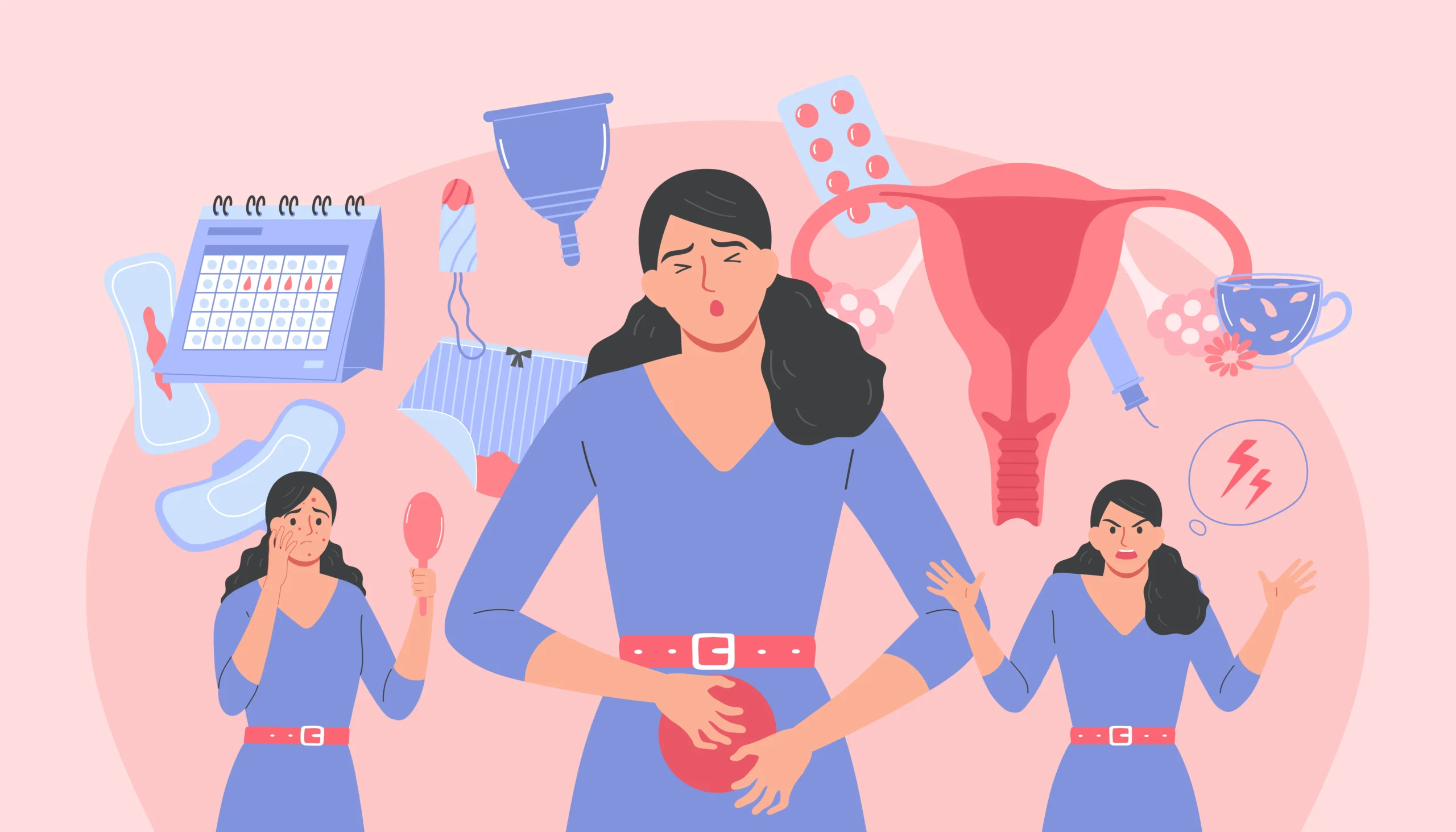
Puberty is one of the most transformative phases in a girl’s life. It marks the beginning of adolescence, a time when the body, mind, and emotions start evolving in preparation for adulthood. For many young girls, puberty brings excitement, curiosity, and sometimes confusion, especially when it comes to understanding the first menstrual cycle.

Knowing what happens during puberty for girls, the female puberty stages, and how to identify first period signs can help young women feel more prepared and confident as they step into this new chapter. In this guide, Dr. Anuja Ojha from Care For Her explains everything you need to know about puberty, the changes it brings, and how to navigate your first time period with comfort and confidence.

What Is Puberty?

Puberty refers to the natural process through which a child’s body matures into an adult body capable of reproduction. It usually begins between the ages of 8 and 13 for girls and can vary from person to person.

During puberty, hormonal changes trigger physical growth, emotional development, and reproductive maturity. The hormones estrogen and progesterone play a central role in initiating puberty changes, such as breast development, body hair growth, and the onset of menstruation.

Understanding Puberty for Girls

Puberty for girls can feel like a roller coaster  full of new experiences and emotions. It’s important to understand that every girl’s journey is unique. While some girls experience puberty early, others may go through these changes later, which is completely normal.

Some of the common physical and emotional changes during puberty for girls include:

  • Growth of breasts and tenderness in the chest area
  • Development of pubic and underarm hair
  • Increased height and body shape changes
  • Skin changes, such as mild acne or oiliness
  • Mood swings and emotional sensitivity
  • The beginning of menstruation (first period)

These changes are part of the natural progression of the female body adapting to adulthood.

Female Puberty Stages

Puberty doesn’t happen overnight — it occurs in stages over several years. Understanding the female puberty stages can help girls and parents know what to expect.

Stage 1: Pre-Puberty (Before Age 8)

At this stage, no visible puberty changes have started yet, but the brain is beginning to send signals to the ovaries to prepare for hormonal activity.

Stage 2: Early Puberty (Ages 8–11)

This is when puberty changes become noticeable. Breast buds (small lumps under the nipples) form, and pubic hair starts to appear. The body may also begin to grow rapidly.

Stage 3: Mid-Puberty (Ages 11–13)

Hormonal activity increases. Hair growth becomes thicker, and body odor starts to develop. The hips may widen, and the first period signs might appear — such as mild cramping, mood changes, or white discharge from the vagina.

Stage 4: Late Puberty (Ages 13–15)

This stage usually brings the first menstrual period, or menarche. The first time period can happen anytime between ages 10 and 15, depending on the individual.

Stage 5: Full Maturity (After Age 15)

By this stage, most puberty changes are complete. Periods become more regular, and the body continues to mature into its adult form.

Understanding these female puberty stages helps young girls feel reassured that the changes they experience are normal and healthy.

Recognizing the First Period Signs

The first menstrual cycle, also called menarche, is an important milestone. It signifies that the body has begun its reproductive phase. However, it can be confusing or even a little intimidating without the right guidance.

Here are some common first period signs that may appear days or weeks before menstruation begins:

  • Lower abdominal or back cramps
  • Bloating or tenderness in the breasts
  • White or clear vaginal discharge
  • Fatigue or mild headaches
  • Emotional changes like irritability or mood swings

These signs are the body’s way of preparing for menstruation. Carrying a sanitary pad or period kit can be helpful once you start noticing these first period signs.

Experiencing Your First Period

When the first time period arrives, it might seem surprising or even overwhelming. But it’s a completely natural and healthy event. The menstrual flow usually starts light — just a few drops of blood that may look brownish and gradually becomes heavier before tapering off again.

Most first time periods last 3–7 days. It’s normal if your cycles are irregular in the first year as your hormones adjust. Some helpful tips for managing your first period include:

  • Use comfortable sanitary pads or menstrual underwear.
  • Change your pad every 4–6 hours to maintain hygiene.
  • Eat nutritious foods to replenish energy and iron.
  • Drink plenty of water and rest during cramps.
  • Talk to your mother, sister, or doctor if you feel anxious or have questions.

Remember, every girl’s experience with her first time period is different. Some may have mild discomfort, while others might have more noticeable cramps. It’s all part of learning about your body’s natural rhythm.

Emotional and Social Changes During Puberty

Apart from physical changes, puberty brings emotional and social shifts. You may feel more independent, curious, or sensitive. Peer influence, body image concerns, and mood swings are common during this phase. Talking openly with parents, teachers, or healthcare professionals helps make puberty for girls a more positive and informed experience.

When to See a Doctor

It’s important to consult a gynecologist if:

  • You haven’t had your first period by age 16.
  • Periods are extremely painful or heavy.
  • You experience sudden changes in menstrual patterns.
  • You have unusual discharge or itching.

Dr. Anuja Ojha and her team at Care For Her offer a safe, understanding environment for young girls to discuss any concerns about puberty changes, menstrual health, or reproductive wellness.

Frequently Asked Questions (FAQs)

  1. What is puberty and why does it happen?

    Puberty is the body’s natural process of maturing into adulthood. It happens when hormones like estrogen and progesterone trigger growth and reproductive development.

  2. What are the first signs of puberty for girls?

    Common early signs include breast development, body hair growth, mood changes, and vaginal discharge before the first period.

  3. When does the first period usually occur?

    The first time period generally happens between ages 10 and 15, depending on the individual’s development.

  4. How can I tell my first period is coming soon?

    First period signs include cramps, breast tenderness, fatigue, or white discharge a few weeks before menstruation starts.

  5. How should girls manage their first time period?

    Using sanitary pads, maintaining hygiene, eating well, and staying relaxed are the best ways to manage your first period comfortably.

Summary

Puberty is a natural and exciting phase that marks the beginning of womanhood. Understanding puberty for girls, recognizing puberty changes, and knowing the female puberty stages help young girls navigate this transition with confidence. Learning to identify first period signs and managing your first time period calmly can make this journey easier and more empowering.

At Care For Her, Dr. Anuja Ojha offers compassionate guidance for adolescents and young women, helping them understand their bodies and menstrual health with confidence, care, and comfort.

Why Choose Us?

Choose Care For Her as your trusted partner in women’s health. Led by Dr. Anuja Ojha, a dedicated and compassionate obstetrician and gynecologist, we offer personalized care through every stage of womanhood from adolescence to pregnancy, and beyond. Our patient-first approach ensures you receive empathetic guidance, advanced medical expertise, and holistic care in a comfortable environment. Whether it’s routine check-ups, fertility consultations, or pregnancy care, we’re here to support your journey with trust and transparency. To learn more, contact us at 7400424637 or visit www.careforher.in
PCOS vs PCOD: What’s the Difference?

Understanding hormonal health can feel overwhelming, especially when terms are used interchangeably. Many women visiting a gynecologist often ask about PCOD vs PCOS and whether they are the same condition. While both are related to ovarian function and hormones, they are not identical. Knowing the difference can help you seek the right care, reduce anxiety, and take timely steps toward better reproductive and overall health.

This guide explains the differences in simple language, addresses common concerns, and helps you understand when to consult a specialist.

Understanding PCOD

Polycystic Ovarian Disease, commonly known as PCOD, is a condition where the ovaries release many immature or partially mature eggs. Over time, these eggs can develop into cysts. This condition is largely linked to lifestyle factors such as stress, weight gain, poor dietary habits, and lack of physical activity.

In PCOD, hormonal imbalance leads to irregular ovulation, which may affect menstrual cycles and fertility. The good news is that many women with this condition can manage it effectively with the right lifestyle changes and medical guidance.

Common PCOD symptoms include irregular or missed periods, acne, weight gain, hair thinning on the scalp, and excessive facial or body hair. Early diagnosis plays a key role in preventing long-term complications.

Management usually focuses on balancing hormones and improving ovulation. PCOD treatment often includes dietary improvements, regular exercise, stress management, and medications when needed to regulate periods or support conception.

Understanding PCOS

Polycystic Ovary Syndrome, known as PCOS, is a more complex endocrine disorder. It not only affects the ovaries but also impacts metabolism, insulin levels, and overall hormonal balance. This condition is considered more severe and often requires long-term medical care.

Women with PCOS may experience chronic hormonal imbalance that interferes with ovulation. This can increase the risk of fertility challenges and other health concerns if not managed early.

Typical PCOS symptoms include irregular periods, excessive hair growth, acne, weight gain, difficulty losing weight, and sometimes darkening of the skin in certain areas. Some women may also experience mood changes or fatigue.

A structured medical approach is essential. PCOS treatment usually involves lifestyle changes, medications to regulate hormones, manage insulin resistance, and address fertility concerns when required.

PCOD vs PCOS: Key Differences

When comparing PCOD vs PCOS, the main difference lies in severity and long-term impact. PCOD is often considered a milder condition and is more common. Many women with this condition can conceive naturally with minimal medical intervention.

On the other hand, PCOS is a metabolic and hormonal syndrome that can affect multiple body systems. The comparison of PCOD vs PCOS also highlights that PCOS may carry higher risks of diabetes, heart disease, and fertility issues if left untreated.

Another important point in PCOD vs PCOS is reversibility. With consistent lifestyle changes, PCOD can often be managed or even reversed, while PCOS requires ongoing monitoring and care.

PCOD Symptoms

Recognizing PCOD symptoms early can prevent complications. Many women ignore early signs, assuming irregular periods or acne are normal.

Typical PCOD symptoms include delayed or irregular menstrual cycles, mild weight gain, oily skin, acne breakouts, and hair fall. Some women may also notice difficulty in conceiving due to irregular ovulation.

The intensity of PCOD symptoms varies from person to person. With timely intervention and regular follow-ups, most women experience significant improvement.

PCOS Symptoms

PCOS symptoms tend to be more pronounced and persistent. These symptoms often affect both physical appearance and internal health.

Common PCOS symptoms include long gaps between periods, excessive facial or body hair growth, severe acne, weight gain especially around the abdomen, and thinning scalp hair. Some women may also experience insulin resistance, which can increase the risk of diabetes.

Understanding PCOS symptoms helps in early diagnosis and reduces the risk of long-term complications through timely treatment.

PCOD Treatment Options

Effective PCOD treatment focuses on correcting lifestyle habits and supporting hormonal balance. Doctors often recommend a nutritious diet, regular physical activity, and stress reduction techniques.

In some cases, medications may be prescribed to regulate menstrual cycles or support ovulation. With consistent care, many women respond well to PCOD treatment and go on to have healthy pregnancies and balanced cycles.

PCOS Treatment Options

PCOS treatment is more comprehensive and individualized. It may involve medications to regulate periods, manage insulin levels, reduce excess hair growth, and support fertility.

Lifestyle changes play a crucial role here as well, but long-term follow-up is often required. A personalized PCOS treatment plan helps reduce symptoms and prevents future health risks.

Can You Have Both Conditions?

A common question is whether a woman can have both conditions. While PCOD and PCOS share overlapping features, they are diagnosed differently. A thorough evaluation by a gynecologist helps determine the exact condition and the most suitable care plan.

When to See a Gynecologist

If you experience persistent irregular periods, sudden weight changes, acne, or difficulty conceiving, it is important to seek medical advice. Early diagnosis allows better symptom control and protects long-term health.

FAQs

  1. Are these conditions common among young women?

    Yes, hormonal ovarian conditions are commonly diagnosed in women of reproductive age, especially due to modern lifestyle factors.

  2. Can lifestyle changes alone help manage hormonal imbalance?

    In many cases, healthy eating, exercise, and stress control significantly improve symptoms, especially when started early.

  3. Does irregular menstruation always indicate a hormonal issue?

    Not always, but persistent irregularity should be evaluated by a gynecologist.

  4. Can pregnancy be planned successfully with proper medical care?

    Yes, many women conceive naturally or with medical support after proper diagnosis and treatment.

  5. Are these conditions lifelong?

    Some women experience long-term symptoms, while others see improvement with consistent care and lifestyle changes.

  6. Is weight gain always linked to hormonal disorders?

    Weight gain can have multiple causes, but hormonal imbalance is a common contributing factor.

Why Choose Us?

Choose Care For Her as your trusted partner in women’s health. Led by Dr. Anuja Ojha, a dedicated and compassionate obstetrician and gynecologist, we offer personalized care through every stage of womanhood from adolescence to pregnancy, and beyond. Our patient-first approach ensures you receive empathetic guidance, advanced medical expertise, and holistic care in a comfortable environment. Whether it’s routine check-ups, fertility consultations, or pregnancy care, we’re here to support your journey with trust and transparency. To learn more, contact us at 7400424637 or visit www.careforher.in
Citations

What Is a Vaginal Infection? Causes, Symptoms & Treatment

Vaginal health is an important yet often overlooked part of a woman’s overall well-being. Many women experience discomfort, itching, or unusual discharge at some point in their lives, which can be worrying if you are unsure of the cause. A vaginal infection is a common gynecological condition and, in most cases, can be treated effectively when addressed early. Understanding what it is, why it happens, and when to seek medical care can help you feel more confident and in control of your intimate health.

What is a vaginal infection?

A vaginal infection occurs when the natural balance of bacteria and yeast in the vagina is disturbed. The vagina normally maintains a healthy environment through good bacteria that protect against harmful microorganisms. When this balance is disrupted, infections can develop. A vaginal infection may affect women of all ages and can vary in severity from mild discomfort to more noticeable symptoms that interfere with daily life.

There are different types of infections, including bacterial, fungal, and parasitic infections. One of the most commonly discussed types is a vaginal yeast infection, which is caused by an overgrowth of Candida fungus.

Common vaginal infection causes

Understanding vaginal infection causes can help prevent recurring issues. The vagina is sensitive to internal and external changes, and several factors can upset its natural balance. Some common vaginal infection causes include hormonal fluctuations, poor intimate hygiene, prolonged moisture, and certain lifestyle habits.

Other vaginal infection causes include the use of antibiotics, which may kill healthy bacteria, and the use of scented soaps or intimate washes that irritate the vaginal lining. Sexual activity, especially without proper protection, can also introduce new bacteria.

When discussing vaginal infection causes, it is important to remember that not all infections are related to sexual activity. Even women who are not sexually active can experience infections due to changes in immunity or hygiene practices.

Reasons for vaginal infection

There are several everyday reasons for vaginal infection that many women may not realize. Wearing tight or non-breathable clothing for long hours can trap moisture and create an ideal environment for bacteria and yeast to grow. This is one of the common reasons for vaginal infection seen in warm and humid climates.

Hormonal changes during pregnancy, menopause, or menstruation are also important reasons for vaginal infection. These changes can alter vaginal pH levels, making infections more likely. Stress, lack of sleep, and poor nutrition may weaken immunity, adding to the reasons for vaginal infection over time.

Repeated use of antibiotics and uncontrolled diabetes are additional reasons for vaginal infection that should not be ignored, especially if infections keep coming back.

Vaginal infection symptoms to watch for

Vaginal infection symptoms can vary depending on the type of infection, but some signs are commonly reported. These include itching, burning, redness, swelling, and discomfort in the vaginal area. Changes in vaginal discharge, such as unusual color, thickness, or odor, are also common vaginal infection symptoms.

Some women may experience pain during urination or intercourse, which are also important vaginal infection symptoms that should prompt medical attention. In cases like a vaginal yeast infection, the discharge may appear thick and white, often described as cottage-cheese-like, along with intense itching.

It is important not to ignore vaginal infection symptoms, even if they seem mild. Early diagnosis can prevent complications and reduce discomfort.

Types of vaginal infections

There are several types of infections that affect vaginal health. Bacterial vaginosis is caused by an imbalance of bacteria and often leads to a fishy-smelling discharge. A vaginal yeast infection is caused by fungal overgrowth and usually results in itching and thick discharge. Trichomoniasis is a sexually transmitted infection that may cause greenish-yellow discharge and irritation.

Although symptoms may overlap, the vaginal infection treatment depends on the exact cause, which is why self-medication is not always recommended.

Vaginal infection treatment options

The right vaginal infection treatment depends on the type and severity of the infection. Bacterial infections are usually treated with prescribed antibiotics, while fungal infections like a vaginal yeast infection require antifungal medications. These may be given as oral tablets, vaginal creams, or suppositories.

In some cases, lifestyle changes are also an important part of vaginal infection treatment. Wearing breathable cotton underwear, avoiding scented products, and maintaining proper hygiene can support recovery and prevent recurrence. Completing the full course of prescribed vaginal infection treatment is essential, even if symptoms improve early.

A doctor may also suggest probiotics or dietary changes as part of a comprehensive vaginal infection treatment plan, especially for women with frequent infections.

When should you see a doctor?

If vaginal infection symptoms persist for more than a few days, recur frequently, or are severe, it is important to consult a gynecologist. Self-treatment without proper diagnosis may worsen the condition. Women who are pregnant, diabetic, or have a weakened immune system should seek medical advice promptly for any suspected vaginal infection.

FAQs

  1. Is a vaginal infection common?

    Yes, a vaginal infection is very common and most women experience it at least once in their lifetime.

  2. Can poor hygiene cause vaginal infections?

    Poor hygiene can be one of the vaginal infection causes, but over-cleaning or using harsh products can also increase the risk.

  3. Are vaginal infections sexually transmitted?

    Some infections are sexually transmitted, but many vaginal infection causes are unrelated to sexual activity.

  4. How long does vaginal infection treatment usually take?

    Vaginal infection treatment typically shows improvement within a few days, but the full course should always be completed.

  5. Can a vaginal yeast infection go away on its own?

    Mild cases may improve, but medical advice is recommended to ensure proper vaginal infection treatment.

  6. How can I prevent recurrent infections?

    Avoid known reasons for vaginal infection such as tight clothing, scented products, and incomplete treatment courses.

Why Choose Us?

Choose Care For Her as your trusted partner in women’s health. Led by Dr. Anuja Ojha, a dedicated and compassionate obstetrician and gynecologist, we offer personalized care through every stage of womanhood from adolescence to pregnancy, and beyond. Our patient-first approach ensures you receive empathetic guidance, advanced medical expertise, and holistic care in a comfortable environment. Whether it’s routine check-ups, fertility consultations, or pregnancy care, we’re here to support your journey with trust and transparency. To learn more, contact us at 7400424637 or visit www.careforher.in

Citations

Period Delay Tablets: Myths vs Facts

Menstrual cycles are a natural and important part of women’s health, yet they are often surrounded by confusion, social pressure, and misinformation. Many women consider using period delay tablets for events such as travel, weddings, religious occasions, exams, or sports competitions. While these medications are commonly discussed, there are still many myths and half-truths around their use. Understanding how they work, when they are appropriate, and their possible risks is essential before making any decision.

This blog aims to separate myths from facts about period delay tablets in a clear, non-judgmental, and medically accurate way. If you have ever wondered whether they are safe, how often they can be used, or what effects they may have on your body, this guide is for you.

What are period delay tablets?

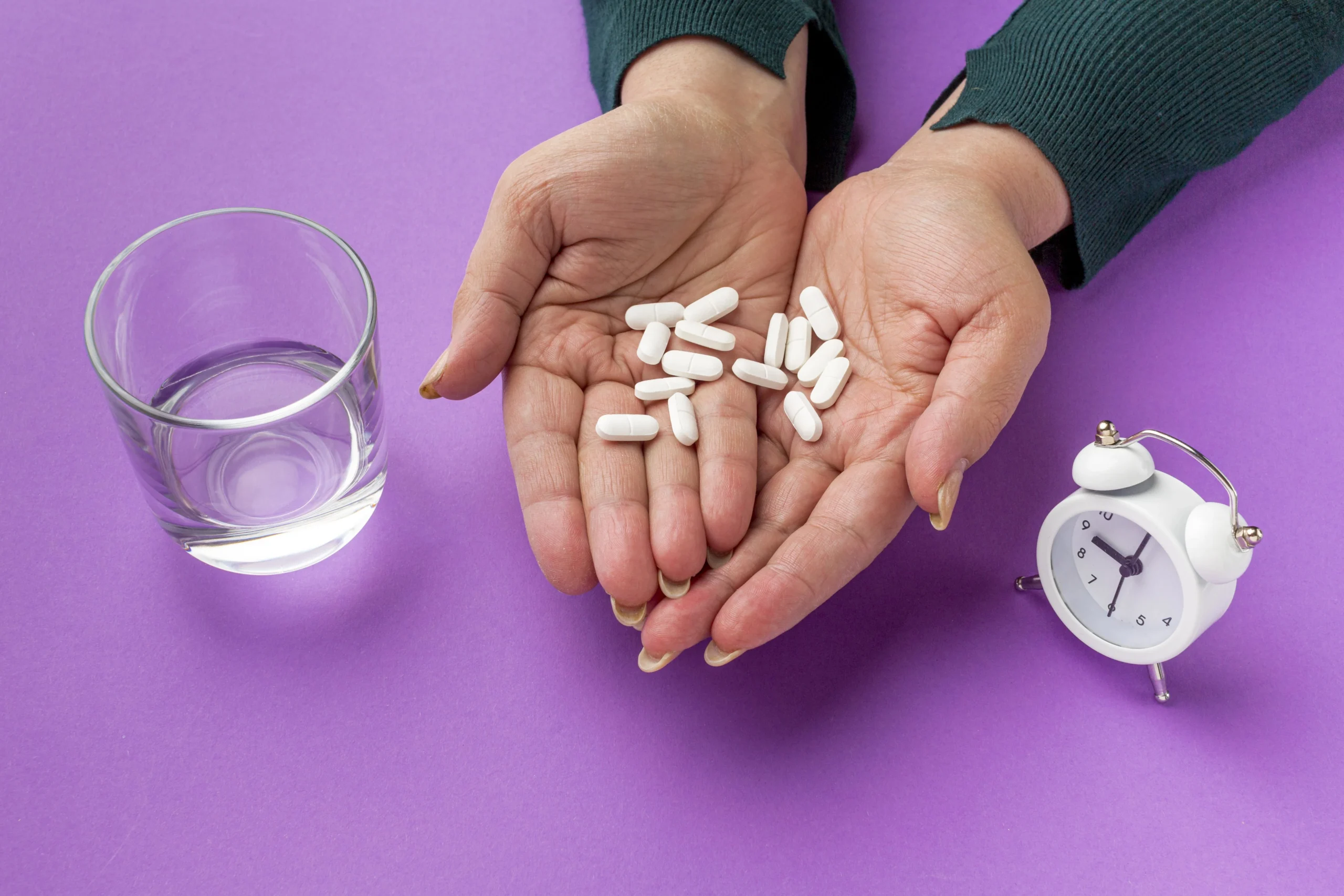
Period delay tablets are hormonal medications prescribed to temporarily postpone menstruation. They usually contain a synthetic form of the hormone progesterone. When taken at the correct time in the menstrual cycle, these tablets help maintain the uterine lining, preventing it from shedding and thereby delaying the onset of periods.

It is important to note that period delay tablets are not meant for regular or long-term cycle management unless advised by a gynecologist. They are designed for short-term use and should always be taken under medical guidance.

Why do women use period delay tablets?

Women may consider period delay tablets for various personal, cultural, or practical reasons. These can include upcoming travel, special occasions, religious observances, athletic events, or medical situations where menstruation may cause additional discomfort. Choosing to delay periods does not make someone irresponsible or careless about their health. However, informed decision-making is key.

Myth 1: Period delay tablets can be taken anytime

This is one of the most common myths. Period delay tablets are not effective if taken randomly. Timing is crucial. These tablets usually need to be started a few days before the expected date of your period. Taking them too late may not delay bleeding at all and could even cause irregular spotting.

Fact: Period delay tablets need proper timing and medical advice


For period delay tablets to work effectively, they must be taken at the right point in your cycle. A gynecologist can assess your cycle pattern and advise you on when and how to take them safely.

Myth 2: Period delay tablets permanently disturb your cycle


Many women fear that using period delay tablets once or twice will permanently disrupt their menstrual cycle. This is not true.

Fact: Your cycle usually returns to normal

For most women, periods resume within a few days after stopping the medication. The cycle generally returns to its usual rhythm in the following month. Occasional use does not typically cause long-term cycle issues.

Myth 3: Period delay tablets are completely harmless

While period delay tablets are widely prescribed, they are still medications and should not be taken casually.

Fact: There can be side effects

Like all hormonal medicines, there can be side effects of period delay tablets. These may include bloating, nausea, headache, breast tenderness, mood changes, or mild spotting. In most cases, these effects are temporary and resolve after stopping the tablets. However, understanding the side effects of period delay tablets helps you make a safer choice.

Common side effects of period delay tablets explained

Being aware of the side effects of period delay tablets can reduce anxiety and help you know when to seek medical help. Commonly reported effects include

  • A feeling of heaviness or bloating
  • Mild abdominal discomfort
  • Mood swings or irritability
  • Breast tenderness
  • Delayed or heavier bleeding after stopping the tablets

For most women, these side effects of period delay tablets are mild. However, if you experience severe pain, heavy bleeding, or persistent symptoms, consult your gynecologist immediately.

Myth 4: Period delay tablets are unsafe for everyone

Another widespread belief is that period delay tablets are dangerous and should never be used.

Fact: Safety depends on individual health

Many women ask, is it safe to take period delay tablets? The answer depends on your medical history. For healthy women without conditions such as blood clotting disorders, liver disease, or hormone-sensitive conditions, short-term use is generally considered safe under medical supervision. This is why consulting a doctor is essential before use.

Who should avoid period delay tablets?

Although many women can safely use them, period delay tablets may not be suitable if you have

  • A history of blood clots
  • Certain liver conditions
  • Unexplained vaginal bleeding
  • Hormone-related cancers

Your doctor can evaluate whether is it safe to take period delay tablets in your specific case.

Myth 5: Period delay tablets are the same as emergency contraceptives

This is a serious misconception.

Fact: They serve completely different purposes

Period delay tablets are not contraceptives and do not prevent pregnancy. Emergency contraceptive pills are designed to prevent ovulation or implantation after unprotected sex, while period delay tablets only affect the timing of menstruation.

Is it safe to take period delay tablets frequently?

Many women wonder, is it safe to take period delay tablets every month. Regular or repeated use without medical advice is not recommended. Frequent use can increase the risk of hormonal imbalance and side effects. If you feel the need to delay periods often, it is best to discuss long-term cycle management options with a gynecologist.

Understanding when is it safe to take period delay tablets

In general, is it safe to take period delay tablets occasionally for special circumstances when prescribed by a doctor. They are not meant to replace routine menstrual care or to be used as a lifestyle choice without supervision.

How to use period delay tablets responsibly

  • Consult a gynecologist before starting
  • Follow the prescribed dosage strictly
  • Do not extend the course without advice
  • Inform your doctor about any existing health conditions

Responsible use reduces the risk of side effects of period delay tablets and ensures better overall menstrual health.

FAQs

  1. Are period delay tablets safe for teenagers?

    In some cases, yes, but only under medical supervision. A gynecologist will assess hormonal maturity and overall health before prescribing.

  2. How long can periods be delayed using period delay tablets?

    Periods are usually delayed until a few days after stopping the tablets. They are meant for short-term delay only.

  3. Will period delay tablets affect future fertility?

    Occasional use does not affect long-term fertility. Normal cycles usually resume quickly.

  4. What should I do if I forget a dose?

    Missing a dose may cause spotting or early bleeding. Consult your doctor if this happens.

  5. Are side effects of period delay tablets permanent?

    No, most side effects of period delay tablets are temporary and resolve after stopping the medication.

  6. Is it safe to take period delay tablets without a prescription?

    Self-medication is not recommended. Always consult a gynecologist to know if is it safe to take period delay tablets for you.

Conclusion
Period delay tablets can be helpful when used responsibly and under medical guidance. Understanding the myths and facts empowers women to make informed choices about their bodies. If you are considering period delay tablets, always seek professional advice to ensure safety and peace of mind.

Why Choose Us?

Choose Care For Her as your trusted partner in women’s health. Led by Dr. Anuja Ojha, a dedicated and compassionate obstetrician and gynecologist, we offer personalized care through every stage of womanhood from adolescence to pregnancy, and beyond. Our patient-first approach ensures you receive empathetic guidance, advanced medical expertise, and holistic care in a comfortable environment. Whether it’s routine check-ups, fertility consultations, or pregnancy care, we’re here to support your journey with trust and transparency. To learn more, contact us at 7400424637 or visit www.careforher.in
Citations

Best Diet for PCOS: What to Eat and What to Avoid

Polycystic Ovary Syndrome, commonly known as PCOS, is a hormonal condition that affects many women during their reproductive years. It can impact periods, weight, skin health, fertility, and overall well-being. While medical treatment plays an important role, what you eat every day has a powerful influence on symptom control. Following the right Diet for PCOS can help manage hormones, improve insulin sensitivity, and support long-term health.

This guide explains the best diet for PCOS in a simple, practical way, helping you understand what foods support your body and what may worsen symptoms.

Understanding the Role of Nutrition in PCOS

Women with PCOS often experience insulin resistance, inflammation, and hormonal imbalance. A carefully planned PCOS diet focuses on stabilizing blood sugar levels, reducing inflammation, and supporting hormonal balance. Rather than restrictive eating, a Diet for PCOS should be sustainable, nourishing, and tailored to your lifestyle.

A healthy diet for PCOS does not mean giving up all your favorite foods. It means making smarter choices more often and understanding how food affects your body.

What Is the Best Diet for PCOS?

The best diet for PCOS is one that emphasizes whole, unprocessed foods and minimizes sugar spikes. It should be balanced, nutrient-rich, and easy to follow over the long term.

Key principles of a balanced Diet for PCOS include:

  • Low glycaemic index foods to control insulin levels
  • Adequate protein to support hormone balance
  • Healthy fats to reduce inflammation
  • High fiber intake for better digestion and weight management

A sustainable PCOS diet is not about perfection but consistency.

Foods to Eat for PCOS Management

  1. High-Fiber Foods
    Fiber helps slow digestion and prevents sudden blood sugar spikes. It also supports gut health and hormone regulation, making it an essential part of a healthy diet for PCOS.
    Examples include vegetables, fruits with skin, legumes, seeds, and whole grains.
  2. Lean Proteins
    Protein helps you feel full longer and stabilizes blood sugar levels. Including protein in every meal is a key part of the best diet for PCOS.
    Examples include eggs, fish, chicken, tofu, paneer, and lentils.
  3. Healthy Fats
    Good fats reduce inflammation and support hormone production. They are an important component of an effective Diet for PCOS.
    Examples include nuts, seeds, olive oil, coconut oil, and avocados.
  4. Low GI Carbohydrates
    Low glycaemic index carbohydrates digest slowly and help control insulin levels. These are preferred over refined carbs in any PCOS diet.
    Examples include brown rice, oats, quinoa, millets, and sweet potatoes.
  5. Anti-Inflammatory Foods
    Inflammation is common in PCOS, and anti-inflammatory foods can help reduce symptoms.
    Examples include turmeric, ginger, berries, green leafy vegetables, and green tea.

Foods to Be Avoided for PCOS

Knowing the foods to be avoided for PCOS is just as important as knowing what to eat. Certain foods can worsen insulin resistance and hormonal imbalance.

  1. Refined Sugars and Sweets
    Sugary foods cause rapid spikes in blood sugar and insulin, worsening PCOS symptoms. Limiting these is essential in any Diet for PCOS.
  2. Processed and Packaged Foods
    These often contain unhealthy fats, excess salt, and additives that increase inflammation. They are among the most common foods to be avoided for PCOS.
  3. Refined Carbohydrates
    White bread, white rice, and bakery items can disrupt blood sugar control and should be minimized in a PCOS diet.
  4. Excess Dairy
    Some women with PCOS may find that high dairy intake worsens acne and hormonal imbalance. Moderation is key.
  5. Fried and Fast Foods
    High in trans fats, these foods increase inflammation and should be included in the list of foods to be avoided for PCOS.

Meal Planning Tips for a PCOS-Friendly Diet

A successful Diet for PCOS does not require complicated meal plans. Simple habits can make a big difference.

  • Eat regular meals to prevent blood sugar dips
  • Combine carbohydrates with protein and fats
  • Stay hydrated throughout the day
  • Avoid skipping meals, especially breakfast
  • Practice mindful eating

Following these habits supports a balanced PCOS diet and helps reduce cravings.

Lifestyle Changes That Support Your Diet

Diet alone is not enough to manage PCOS. Lifestyle habits play a crucial role in enhancing the benefits of the best diet for PCOS.

  • Regular physical activity improves insulin sensitivity
  • Stress management helps regulate hormones
  • Quality sleep supports metabolic health

When combined with a healthy diet for PCOS, these changes can significantly improve symptoms and quality of life.

FAQs

  1. Can Diet for PCOS really improve symptoms?

    Yes, a well-planned Diet for PCOS can help regulate periods, improve insulin resistance, and reduce symptoms like weight gain and acne.

  2. Is weight loss necessary for managing PCOS?

    Not always. Even without significant weight loss, following a balanced PCOS diet can improve hormonal balance and metabolic health.

  3. Are carbs completely banned in the best diet for PCOS?

    No. The focus is on choosing low GI carbohydrates rather than eliminating carbs entirely.

  4. How long does it take to see results from a PCOS diet?

    Many women notice improvements in energy and cravings within a few weeks, while hormonal changes may take a few months.

  5. Should I avoid all dairy if I have PCOS?

    Dairy does not affect everyone the same way. It is best to observe how your body responds and consume in moderation.

  6. Can a healthy diet for PCOS help with fertility?

    Yes, improving insulin resistance and hormonal balance through diet can support ovulation and fertility.

Why Choose Us?

Choose Care For Her as your trusted partner in women’s health. Led by Dr. Anuja Ojha, a dedicated and compassionate obstetrician and gynecologist, we offer personalized care through every stage of womanhood from adolescence to pregnancy, and beyond. Our patient-first approach ensures you receive empathetic guidance, advanced medical expertise, and holistic care in a comfortable environment. Whether it’s routine check-ups, fertility consultations, or pregnancy care, we’re here to support your journey with trust and transparency. To learn more, contact us at 7400424637 or visit www.careforher.in
Citations

High-Risk Pregnancy: What It Means and How to Navigate It

Pregnancy is often described as a beautiful journey, but for some women, it can come with additional challenges. A high risk pregnancy doesn’t necessarily mean that complications will occur  but it does mean both mother and baby require closer monitoring, special care, and proactive steps to ensure a safe outcome.

In this blog, we’ll break down what high-risk pregnancy means, explore the causes of high risk pregnancy, and discuss the management of high risk pregnancy so you feel better informed and empowered.

What Is a High-Risk Pregnancy?

A high risk pregnancy refers to a pregnancy in which the mother, baby, or both are at greater risk of complications compared to a typical pregnancy. While the term might sound alarming, remember that with timely diagnosis, expert guidance, and proper care, many women with high-risk pregnancies deliver healthy babies.

Causes of High Risk Pregnancy

Several factors can contribute to a pregnancy being classified as high-risk. Some causes are related to pre-existing health conditions, while others arise during pregnancy. Here are the most common causes of high risk pregnancy:

  • Maternal Age: Women under 17 or over 35 are more likely to face complications.
  • Pre-existing Medical Conditions: Diabetes, hypertension, heart disease, thyroid disorders, and autoimmune conditions can increase risks.
  • Multiple Pregnancy: Carrying twins, triplets, or more raises the likelihood of preterm birth and other complications.
  • Previous Pregnancy Complications: A history of miscarriage, preterm birth, or cesarean section can contribute.
  • Lifestyle Factors: Smoking, alcohol, drug use, or poor nutrition negatively affect maternal and fetal health.
  • Pregnancy-related Issues: Preeclampsia, gestational diabetes, placenta previa, or fetal growth restriction may develop during pregnancy.

Understanding the causes of high risk pregnancy is the first step toward minimizing risks with the right medical care.

Signs You May Have a High-Risk Pregnancy

While some women may already know they’re at risk due to health history, others only discover it during prenatal check-ups. Signs that may indicate a high risk pregnancy include:

  • Severe or persistent high blood pressure
  • Abnormal bleeding or spotting
  • Reduced fetal movements
  • Severe abdominal pain or cramping
  • Early contractions or signs of preterm labor

If you notice these symptoms, consult your gynecologist immediately.

Management of High Risk Pregnancy

The management of high risk pregnancy involves specialized care, consistent monitoring, and lifestyle adjustments. Here’s what it typically includes:

1. Regular Prenatal Visits

Frequent check-ups allow doctors to monitor the baby’s growth and mother’s health, ensuring any complication is detected early.

2. Diagnostic Tests and Screenings

Ultrasounds, blood tests, and fetal monitoring help track progress and identify concerns such as gestational diabetes or fetal growth issues.

3. Medication and Treatments

For conditions like hypertension or diabetes, medications may be prescribed to keep health under control without harming the baby.

4. Nutrition and Lifestyle Adjustments

A balanced diet, prenatal vitamins, proper hydration, and rest are essential. Avoiding smoking, alcohol, and stress also plays a key role.

5. Emotional Support and Counseling

Pregnancy can be emotionally overwhelming. Counseling, support groups, and family support can reduce anxiety and encourage a positive outlook.

The management of high risk pregnancy is a team effort — involving you, your gynecologist, and in some cases, specialists like endocrinologists or cardiologists.

How to Reduce the Risk

While not all risks can be eliminated, certain steps can help promote a healthier pregnancy:

  • Get preconception counseling before planning pregnancy.
  • Manage chronic conditions like diabetes or thyroid disorders.
  • Take prescribed prenatal vitamins, especially folic acid.
  • Maintain a healthy weight and balanced lifestyle.
  • Keep up with vaccinations and screenings.
  • Follow your doctor’s advice closely during the pregnancy.

By following these steps, you can play an active role in ensuring the best possible outcome.

FAQs on High-Risk Pregnancy

1. Does a high-risk pregnancy always mean complications?

Not necessarily. With proper care, many high-risk pregnancies progress smoothly and result in healthy deliveries.

2. Can lifestyle changes reduce high-risk factors?

Yes. Quitting smoking, maintaining a balanced diet, managing stress, and following medical guidance can reduce risks significantly.

3. What should I avoid during a high-risk pregnancy?

Avoid alcohol, tobacco, illicit drugs, and self-medicating. Also, limit strenuous activities unless approved by your doctor.

4. How often should I see my doctor in a high-risk pregnancy?

Your doctor may recommend more frequent visits, depending on your condition — sometimes every 2–4 weeks, or even weekly closer to delivery.

5. Can I have a normal delivery with a high-risk pregnancy?

It depends on the cause. Some women can deliver vaginally, while others may require a cesarean for safety. Your doctor will decide the best mode of delivery.

Conclusion: Why Choose Us?

Choose Care For Her as your trusted partner in women’s health. Led by Dr. Anuja Ojha, a dedicated and compassionate obstetrician and gynecologist, we offer personalized care through every stage of womanhood from adolescence to pregnancy, and beyond. Our patient-first approach ensures you receive empathetic guidance, advanced medical expertise, and holistic care in a comfortable environment. Whether it’s routine check-ups, fertility consultations, or pregnancy care, we’re here to support your journey with trust and transparency.

To learn more, contact us at 7400424637 or visit www.careforher.in
What is a UTI? Common Symptoms, Treatment & Causes

Urinary Tract Infections (UTIs) are one of the most common health issues affecting millions of people worldwide, particularly women. While many UTIs are mild and treatable, ignoring the infection can lead to complications. Understanding UTI symptoms, UTI causes, and the best UTI treatment options is essential for early diagnosis and prevention.

In this article, we’ll explore everything you need to know about UTIs  from what they are to how you can prevent them.

What is a UTI?

A UTI (Urinary Tract Infection) is an infection that affects any part of the urinary system, including the kidneys, bladder, ureters, or urethra. Most cases involve the bladder and urethra.

UTIs are more common in women due to anatomical factors  the female urethra is shorter, making it easier for bacteria to enter the bladder.

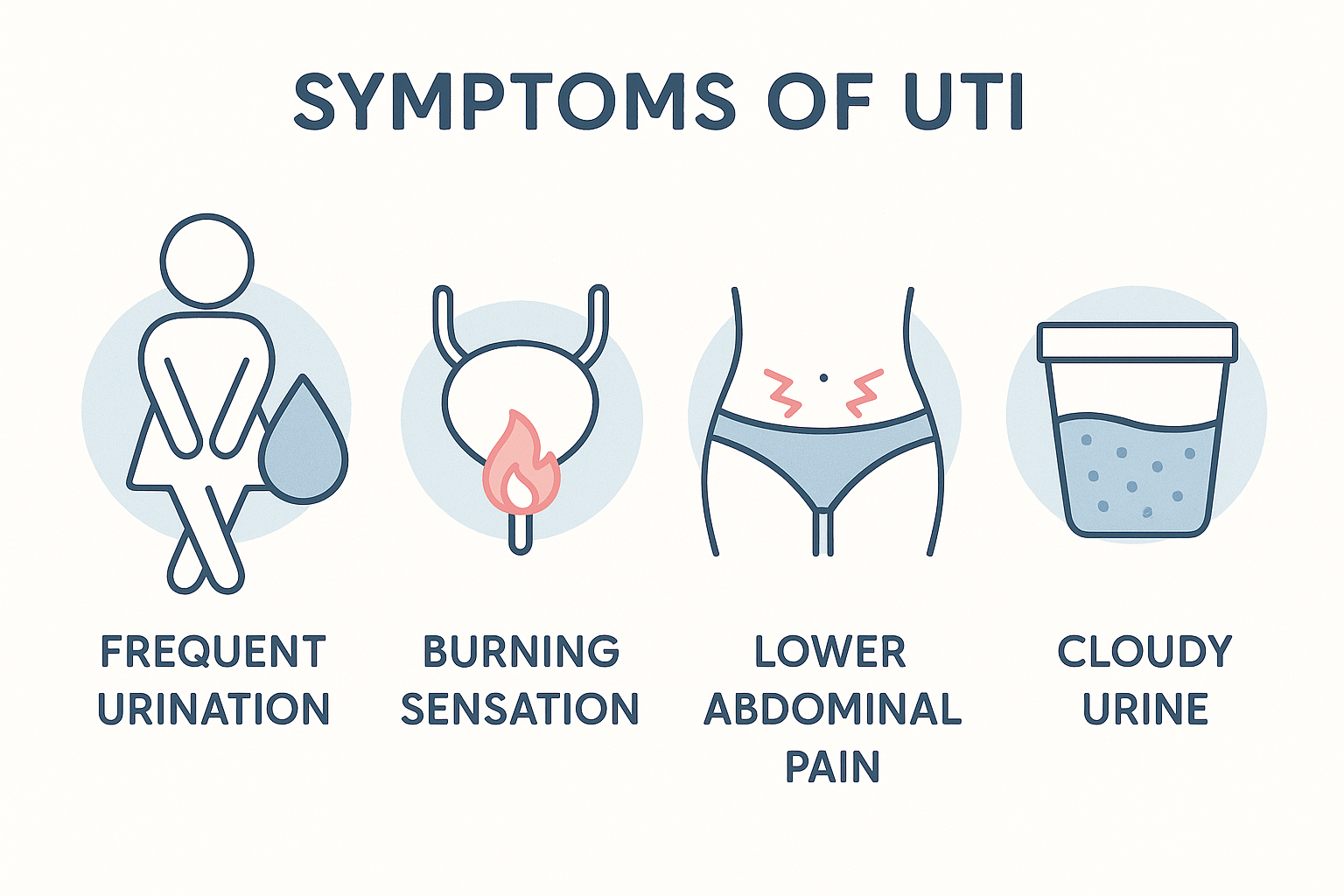
Common UTI Symptoms

Recognizing UTI symptoms early can help you seek timely treatment. Here are the most common signs:

  • A persistent urge to urinate, even if little comes out

  • Burning sensation or pain while urinating

  • Cloudy, dark, or strong-smelling urine

  • Frequent urination in small amounts

  • Blood in urine (hematuria)

  • Pelvic pain or discomfort in women

  • In severe cases: fever, chills, nausea, or back pain (indicating a kidney infection)

If you notice any of these UTI symptoms, it’s important not to ignore them. Early detection ensures faster recovery.

UTI Causes

A UTI occurs when bacteria, usually E. coli, enter the urinary tract. Several factors increase the risk of UTI infection:

  • Poor personal hygiene

  • Sexual activity (especially with new partners)

  • Use of certain contraceptives like spermicides or diaphragms

  • Hormonal changes during pregnancy or menopause

  • Holding urine for long periods

  • Dehydration (not drinking enough water)

  • Medical conditions such as diabetes or kidney stones

  • Weakened immune system

Understanding these UTI causes can help in reducing your chances of infection.

UTI Treatment Options

If you suspect a UTI infection, visiting a doctor is essential. A healthcare professional will recommend UTI treatment based on the severity of your condition:

1. Antibiotics

The most common UTI treatment, prescribed for bacterial infections. It’s important to complete the full course even if symptoms improve.

2. Increased Fluid Intake

Drinking plenty of water helps flush bacteria from the urinary tract.

3. Pain Relief

Over-the-counter medications may be prescribed to ease discomfort and burning sensation.

If untreated, UTIs can spread to the kidneys and become serious, making early UTI treatment crucial.

When to See a Doctor

Seek medical attention if:

  • Symptoms persist for more than 2 days

  • You notice blood in your urine

  • You experience fever, chills, or severe back pain

  • You have recurring UTIs (multiple infections within a year)

A doctor can provide personalized UTI treatment to prevent further complications.

How to Prevent UTI Infection

Prevention is always better than cure. Here are some effective ways to lower your risk:

  • Stay hydrated  drink 8–10 glasses of water daily

  • Don’t hold urine for long periods

  • Wipe front to back after using the toilet

  • Urinate after sexual intercourse

  • Wear breathable cotton underwear

  • Avoid harsh feminine hygiene products that disrupt natural balance

These simple steps can help reduce the likelihood of UTI infection and improve overall urinary health.

FAQs on UTIs

1. What is the fastest way to cure a UTI?

The fastest way is through prescribed antibiotics. Drinking water and resting help speed up recovery.

2. Can a UTI go away on its own?

Mild cases might resolve, but most UTIs require treatment. Ignoring symptoms can lead to complications.

3. What foods should I avoid with a UTI?

Avoid caffeine, alcohol, artificial sweeteners, and spicy foods as they may irritate the bladder.

4. How do I know if my UTI is serious?

If you experience fever, back pain, nausea, or blood in your urine, seek immediate medical help it may have spread to the kidneys.

5. Are UTIs contagious?

No, UTIs are not contagious. However, sexual activity can increase the risk of infection.

Conclusion: Why Choose Us?

Choose Care For Her as your trusted partner in women’s health. Led by Dr. Anuja Ojha, a dedicated and compassionate obstetrician and gynecologist, we offer personalized care through every stage of womanhood  from adolescence to pregnancy, and beyond.

Our patient-first approach ensures you receive empathetic guidance, advanced medical expertise, and holistic care in a comfortable environment. Whether it’s routine check-ups, fertility consultations, or pregnancy care, we’re here to support your journey with trust and transparency.

To learn more, contact us at 7400424637 or visit www.careforher.in
Birth Control Methods Explained: Finding What Works for You

Choosing the right birth control method is an important step in managing your reproductive health. With various safe and medically approved methods of birth control available, it’s essential to understand which option best fits your lifestyle, health condition, and family planning goals.

This guide explains the most common types of birth control recommended by doctors, along with their benefits, effectiveness, and considerations.

Why Birth Control Matters

Birth control is more than just preventing pregnancy. Many methods also help regulate menstrual cycles, reduce period pain, improve acne, and even lower the risk of certain cancers. Selecting the right option allows women to take control of their health and make informed choices about their future.

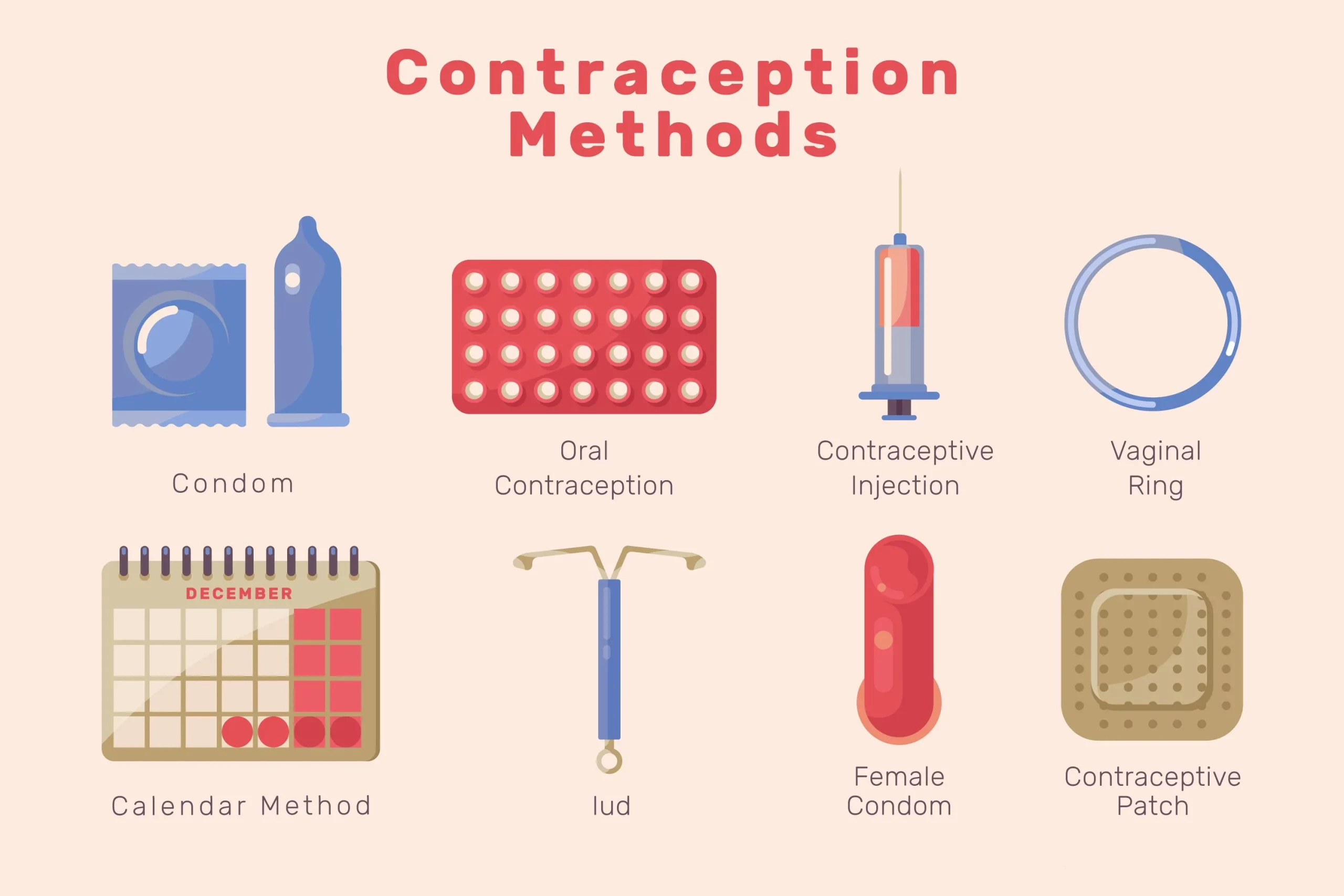
Types of Birth Control (Doctor-Certified)

1. Hormonal Methods

These work by altering hormone levels to stop ovulation, thicken cervical mucus, and prevent pregnancy.

  • Birth control pills: Taken daily at the same time. 
  • Patches: Worn on the skin and changed weekly. 
  • Injections: Administered every 3 months by a healthcare provider. 
  • Vaginal rings: Inserted into the vagina and replaced monthly. 
  • Implants: A small rod placed under the skin, effective for up to 3 years. 

Pros: Highly effective, helps regulate periods, reduces cramps.
Cons: May cause side effects like mood changes, nausea, or weight gain.

2. Barrier Methods

These prevent sperm from reaching the egg.

  • Condoms (male and female): Also provide protection against sexually transmitted infections (STIs). 
  • Diaphragms and cervical caps: Used with spermicide, inserted before intercourse. 

Pros: Easily accessible, reversible, some protect against STIs.
Cons: Must be used correctly every time, slightly less effective than IUDs or hormonal options.

3. Intrauterine Devices (IUDs)

A small T-shaped device placed inside the uterus by a gynecologist.

  • Hormonal IUDs: Release progesterone, effective for 3–6 years. 
  • Copper IUDs: Non-hormonal option, effective for up to 10 years. 

Pros: Long-term, low-maintenance, highly effective.
Cons: Requires doctor insertion, may cause temporary cramping or irregular bleeding.

4. Permanent Methods

For those who are certain they do not want more children.

  • Tubal ligation (female sterilization): Blocks or seals fallopian tubes. 
  • Vasectomy (male sterilization): Prevents sperm from mixing with semen. 

Pros: Permanent, nearly 100% effective.
Cons: Not reversible in most cases, requires a minor surgical procedure.

Choosing the Right Method for You

When comparing different methods of birth control, consider:

  • Do you want short-term or long-term protection? 
  • Are you comfortable with hormonal options? 
  • Do you want protection against STIs? 
  • What are your future family planning goals? 

Your doctor can guide you based on your medical history, lifestyle, and preferences.


FAQs About Birth Control

1. What is the most effective method of birth control?

IUDs and implants are among the most effective, with success rates of over 99%.

2. Do condoms protect against both pregnancy and STIs?

Yes, they are the only method that prevents pregnancy and sexually transmitted infections.

3. Can I switch my birth control method?

Yes, but consult your gynecologist to transition safely without gaps in protection.

4. Are hormonal birth control methods safe?

Yes, most women can use them safely, but a doctor’s evaluation is recommended.

5. Is permanent birth control reversible?

In most cases, no. That’s why it’s advised only for those certain about not wanting future pregnancies.

Conclusion: Why Choose Us?

Choose Care For Her as your trusted partner in women’s health. Led by Dr. Anuja Ojha, a dedicated and compassionate obstetrician and gynecologist, we offer personalized care through every stage of womanhood from adolescence to pregnancy, and beyond. Our patient-first approach ensures you receive empathetic guidance, advanced medical expertise, and holistic care in a comfortable environment. Whether it’s routine check-ups, fertility consultations, or pregnancy care, we’re here to support your journey with trust and transparency.

To learn more, contact us at 7400424637 or visit www.careforher.in.

Understanding Endometriosis: Symptoms, Causes, and Treatment

Endometriosis is a condition that affects millions of women worldwide, yet it is often misunderstood and misdiagnosed. Many women live with painful periods, chronic pelvic pain, or fertility struggles without realizing that endometriosis could be the underlying reason. Understanding what is endometriosis, its symptoms, causes, and treatment options can help women take proactive steps toward better health and improved quality of life.

What is Endometriosis?

Endometriosis is a medical condition in which tissue similar to the lining of the uterus (endometrium) grows outside the uterus. These growths, known as endometrial implants, can appear on the ovaries, fallopian tubes, pelvic lining, and in rare cases, even outside the pelvic area. Unlike normal menstrual tissue, which sheds every month, the tissue in endometriosis has no way to exit the body, leading to inflammation, scarring, and severe pain.

While it is a common condition, many women spend years seeking answers before receiving an accurate diagnosis. Raising awareness about endometriosis and its effects is crucial for timely detection and proper care.

Common Endometriosis Symptoms

Recognizing endometriosis symptoms early can make a big difference in how effectively the condition is managed. Some of the most common signs include:

  • Painful periods (dysmenorrhea) that interfere with daily activities

  • Chronic pelvic pain before and after menstruation

  • Pain during or after sexual intercourse

  • Heavy menstrual bleeding or spotting between periods

  • Difficulty in conceiving (infertility)

  • Digestive issues such as bloating, diarrhea, or constipation during menstruation

  • Fatigue and low energy

Since these symptoms can overlap with other gynecological conditions, it is important to consult a gynecologist for proper evaluation and diagnosis.

Endometriosis Causes: What Triggers the Condition?

The exact endometriosis causes are not fully understood, but several theories exist:

  1. Retrograde menstruation – Menstrual blood containing endometrial cells flows back through the fallopian tubes into the pelvic cavity, where the cells implant and grow.

  2. Genetic factors – A family history of endometriosis may increase the risk of developing the condition.

  3. Immune system dysfunction – A weakened immune system may fail to destroy misplaced endometrial cells.

  4. Hormonal imbalance – High estrogen levels may contribute to the growth and spread of endometrial tissue.

  5. Surgical scars – After surgeries such as C-sections, endometrial cells may attach to the incision site and grow abnormally.

While none of these theories completely explains all cases, they highlight that endometriosis is influenced by a combination of hormonal, genetic, and environmental factors.

How is Endometriosis Diagnosed?

Endometriosis can be difficult to diagnose because its symptoms mimic other conditions. A gynecologist may recommend:

  • Detailed medical history and pelvic examination

  • Ultrasound or MRI scans to detect cysts or abnormal tissue growth

  • Laparoscopy (a minimally invasive surgical procedure) which allows direct visualization and biopsy of suspected endometrial implants

Early diagnosis can help manage symptoms effectively and prevent complications like infertility or chronic pain.

Endometriosis Treatment Options

Although there is currently no permanent cure for endometriosis, several treatment options can help manage symptoms and improve quality of life. The choice of endometriosis treatment depends on the severity of the condition, the woman’s age, and whether she wishes to conceive.

1. Medications

  • Pain relievers – Nonsteroidal anti-inflammatory drugs (NSAIDs) can help reduce menstrual pain and inflammation.

  • Hormonal therapies – Birth control pills, hormone-releasing intrauterine devices (IUDs), or injections can regulate or stop periods, slowing the growth of endometrial tissue.

2. Surgery

  • Laparoscopic surgery – Removes or destroys endometrial implants while preserving reproductive organs.

  • Hysterectomy – In severe cases, the removal of the uterus (sometimes along with ovaries) may be recommended when other treatments fail.

3. Lifestyle and Supportive Care

  • Maintaining a balanced diet rich in anti-inflammatory foods

  • Regular physical activity to improve circulation and reduce pain

  • Stress management techniques such as yoga, meditation, or counseling

  • Support groups to connect with others experiencing endometriosis

4. Fertility Treatments

For women struggling with infertility due to endometriosis, assisted reproductive technologies like in-vitro fertilization (IVF) may be recommended.

Living with Endometriosis

Endometriosis is more than just painful periods—it can affect every aspect of a woman’s life, from work to relationships. However, with early diagnosis, proper treatment, and supportive care, women can manage the condition and live healthier, fulfilling lives.

FAQs on Endometriosis

1. Can endometriosis go away on its own?

Endometriosis rarely goes away completely without treatment. However, symptoms may improve temporarily during pregnancy or after menopause when hormone levels change.

2. Does endometriosis always cause infertility?

Not necessarily. While it can affect fertility in some women, many are still able to conceive naturally or with medical assistance.

3. What is the most effective endometriosis treatment?

The best treatment depends on individual cases. For some, hormonal therapy and pain management may be enough, while others may need surgery or fertility treatments.

4. Can lifestyle changes help manage endometriosis symptoms?

Yes, maintaining a healthy diet, exercising regularly, and reducing stress can help improve overall well-being and reduce the intensity of symptoms.

Why Choose Us?

Care For Her as your trusted partner in women’s health. Led by Dr. Anuja Ojha, a dedicated and compassionate obstetrician and gynecologist, we offer personalized care through every stage of womanhood from adolescence to pregnancy, and beyond. Our patient-first approach ensures you receive empathetic guidance, advanced medical expertise, and holistic care in a comfortable environment. Whether it’s routine check-ups, fertility consultations, or pregnancy care, we’re here to support your journey with trust and transparency. To learn more, contact us at 7400424637 or visit www.careforher.in
Menopause Myths and Facts: What Every Woman Should Know

Menopause is a natural stage in every woman’s life, yet it continues to be surrounded by confusion, stigma, and misinformation. From whispers about mood swings to misconceptions about fertility, many menopause myths have caused women unnecessary fear and anxiety. Understanding the real menopause facts can empower women to embrace this phase with confidence and take proactive steps toward their health and well-being.

In this blog, we’ll explore common menopause myths and facts, address symptoms like hot flashes and vaginal dryness, and clear up what every woman should truly know.

What is Menopause?

Menopause marks the end of a woman’s menstrual cycles. It is officially diagnosed when a woman has gone 12 consecutive months without a period, usually occurring between ages 45 and 55. While menopause itself is a one-time event, the transition leading up to it—known as perimenopause—can bring noticeable changes due to fluctuating hormone levels.

Symptoms like hot flashes, night sweats, vaginal dryness, mood swings, and sleep disturbances are common. However, menopause does not mean the end of health, vitality, or womanhood—it simply marks a new chapter.

Menopause Myths and Facts

Let’s separate truth from fiction.

Myth 1: Menopause Happens Overnight

Fact: Menopause is a gradual process. Most women experience perimenopause for several years before their periods stop completely. During this time, hormone levels fluctuate, causing irregular cycles and symptoms such as hot flashes and vaginal dryness.

Myth 2: Menopause Means the End of Intimacy

Fact: While vaginal dryness may cause discomfort, it doesn’t mean the end of sexual intimacy. With the right medical guidance, lubricants, moisturizers, or hormone therapy, women can continue to enjoy a healthy sex life.

Myth 3: Weight Gain is Inevitable After Menopause

Fact: Hormonal changes can make it easier to gain weight, especially around the abdomen, but menopause does not guarantee weight gain. A balanced diet, exercise, and lifestyle modifications can help maintain a healthy weight.

Myth 4: Only Hot Flashes Define Menopause

Fact: Hot flashes are one of the most talked-about symptoms, but menopause includes a wide range of changes—such as mood swings, memory lapses, sleep issues, and vaginal dryness. Every woman’s experience is unique.

Myth 5: Menopause Equals Old Age

Fact: Menopause is not the end of youth or vitality. Many women discover a renewed sense of freedom, energy, and focus in their post-menopausal years. With the right care, this stage can be empowering.

Myth 6: Nothing Can Be Done About Menopause Symptoms

Fact: From lifestyle adjustments to medical treatments, plenty can be done. Regular exercise, a nutrient-rich diet, stress management, and, if necessary, hormone replacement therapy (HRT) can significantly reduce discomfort.

Understanding Common Symptoms of Menopause

Menopause symptoms vary in intensity and duration, but knowing what to expect makes the transition smoother.

Hot Flashes

Hot flashes are sudden feelings of warmth, often spreading across the face, neck, and chest. They may last a few seconds or several minutes and can occur during the day or night. While common, they can be managed through lifestyle strategies and medical treatment if severe.

Vaginal Dryness

A drop in estrogen levels leads to thinning of vaginal tissues, causing dryness, irritation, and discomfort during intercourse. Simple solutions such as lubricants, moisturizers, or prescribed therapies can greatly improve quality of life.

Emotional and Cognitive Changes

Mood swings, irritability, or mild forgetfulness are often reported during menopause. These changes are linked to hormonal fluctuations but can be managed with proper support, counseling, and lifestyle adjustments.

Also Read : Menopause Symptoms, Causes, and Treatment

The Importance of Knowing Menopause Myths and Facts

Clearing up menopause myths and facts helps women make informed decisions about their health. Instead of fearing menopause, women should see it as a natural transition that can be managed with the right knowledge and care. By understanding that hot flashes and vaginal dryness are manageable, and that menopause does not define aging or loss of femininity, women can approach this stage with confidence.

Lifestyle Tips for Managing Menopause Smoothly

  1. Maintain a balanced diet rich in calcium, vitamin D, and lean proteins.

  2. Stay active with regular exercise—both cardio and strength training.

  3. Practice stress-relief techniques such as yoga, meditation, or deep breathing.

  4. Keep hydrated to help reduce hot flashes and maintain skin health.

  5. Discuss any troubling symptoms like vaginal dryness with a gynecologist for timely treatment.

FAQs About Menopause

Q1: What age does menopause usually occur?
Most women experience menopause between ages 45 and 55, but it can happen earlier or later.

Q2: Are hot flashes permanent?
Hot flashes usually lessen over time, but their duration varies. Some women experience them for just a few years, while others may have them longer.

Q3: Can menopause affect mental health?
Yes, hormonal shifts can impact mood, leading to anxiety, irritability, or depression. Seeking support from a healthcare professional can help.

Q4: Does every woman experience vaginal dryness?
Not all women do, but many experience vaginal dryness during menopause due to declining estrogen levels. It can be easily managed with medical care.

Q5: Is hormone therapy safe for everyone?
Hormone replacement therapy can be highly effective but is not suitable for everyone. Always consult a gynecologist to determine if it’s right for you.

Conclusion

Menopause is a significant milestone in a woman’s life, but it does not define her future health, beauty, or happiness. By separating menopause myths from facts, women can embrace this natural stage with knowledge and strength. With proper support, lifestyle adjustments, and medical care, symptoms like hot flashes and vaginal dryness can be effectively managed, allowing women to lead fulfilling lives.

Why Choose Us?

Choose Care For Her as your trusted partner in women’s health. Led by Dr. Anuja Ojha, a dedicated and compassionate obstetrician and gynecologist, we offer personalized care through every stage of womanhood from adolescence to pregnancy, and beyond. Our patient-first approach ensures you receive empathetic guidance, advanced medical expertise, and holistic care in a comfortable environment. Whether it’s routine check-ups, fertility consultations, or pregnancy care, we’re here to support your journey with trust and transparency. To learn more, contact us at 7400424637 or visit www.careforher.in