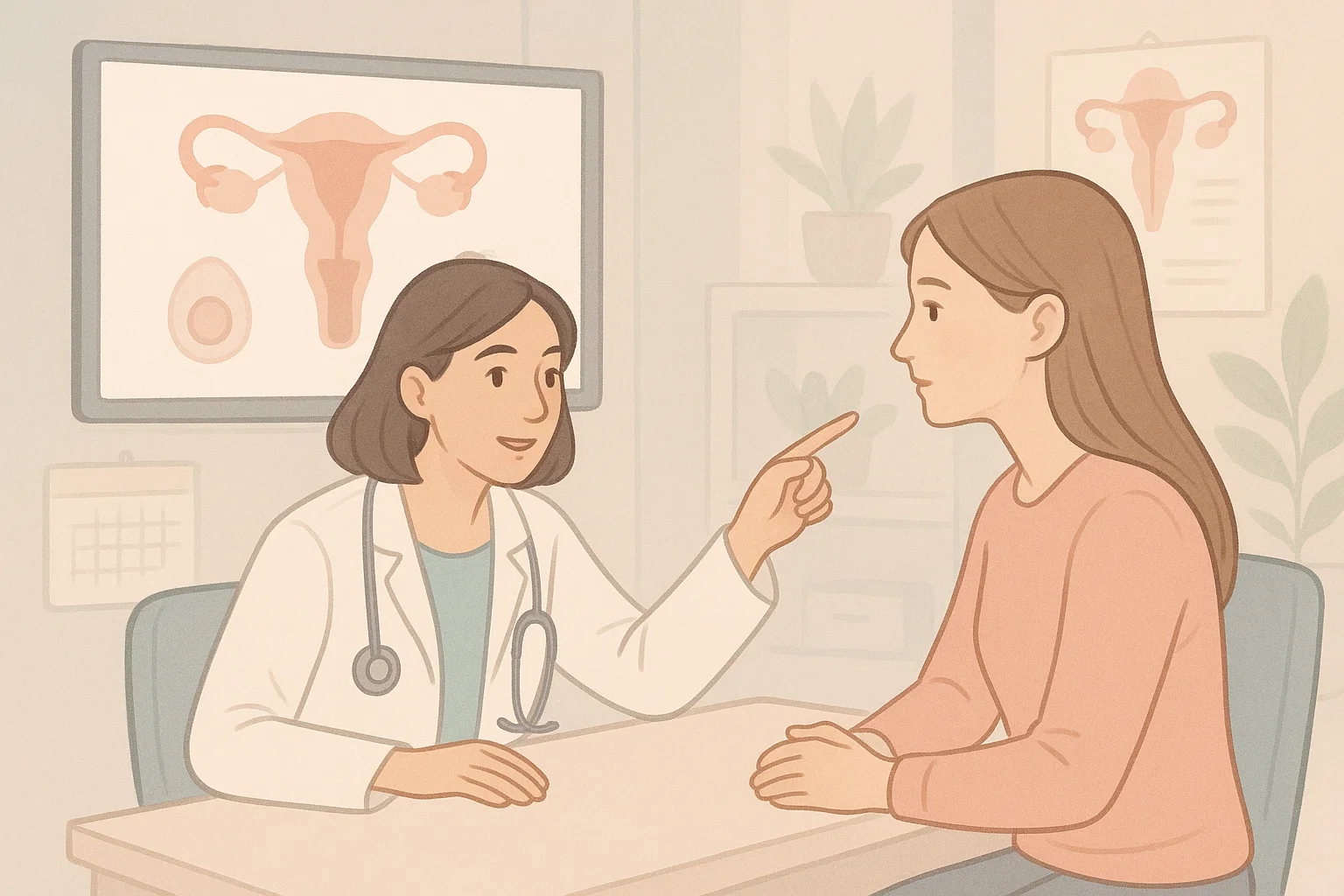
Trying to conceive can be one of the most hopeful—and sometimes, most emotionally challenging—times in a woman’s life. When conception doesn’t happen as expected, the reason could lie within a variety of physical or hormonal factors. Female infertility is more common than many think, affecting millions of women worldwide. The good news is that with proper diagnosis and support, many women go on to have healthy pregnancies.
At Care For Her, we believe in educating and empowering women to take charge of their reproductive health. In this article, we explore the top female infertility causes, common signs, and how medical advancements can help overcome them.
What Is Female Infertility?
Female infertility is defined as the inability to conceive after 12 months of regular, unprotected sexual intercourse (or 6 months if the woman is over age 35). While infertility can result from male, female, or combined factors, nearly 40% of all infertility cases are attributed to female infertility causes.
Understanding what causes female infertility is the first step in addressing it effectively.
Common Female Infertility Symptoms
In many cases, women may not experience any obvious signs until they start trying to conceive. However, there are several female infertility symptoms that may suggest an underlying problem:
- Irregular or absent menstrual cycles
- Pain during sex or menstruation
- Unusual or excessive menstrual bleeding
- Weight changes, especially unexplained weight gain or loss
- Hormonal imbalances (acne, facial hair, hair thinning)
- History of pelvic infections or surgeries
If you experience any of these female infertility symptoms, it’s advisable to seek medical advice early—even before attempting conception.
Top Reasons for Female Infertility
Let’s take a closer look at the top reasons for female infertility, covering the most common medical, anatomical, and lifestyle-related causes.
1. Ovulation Disorders
One of the leading female infertility causes is a disruption in ovulation. If eggs are not released regularly or at all, conception becomes difficult.
Common conditions include:
-
Polycystic Ovary Syndrome (PCOS)
-
Thyroid disorders (hypothyroidism or hyperthyroidism)
-
Hyperprolactinemia (excess production of prolactin)
-
Premature Ovarian Insufficiency (POI)
Ovulation disorders are also among the most treatable reasons for female infertility with the help of medications and lifestyle adjustments.
2. Tubal Blockages or Damage
Damaged or blocked fallopian tubes prevent the sperm from reaching the egg, or the fertilized egg from reaching the uterus.
Causes include:
-
Pelvic inflammatory disease (PID)
-
Endometriosis
-
Previous surgeries or ectopic pregnancies
Tubal factors account for a significant portion of what causes female infertility and may require surgical correction or assisted reproductive techniques like IVF.
3. Endometriosis
Endometriosis occurs when the tissue that normally lines the uterus grows outside of it—on the ovaries, fallopian tubes, or pelvic lining. This can cause inflammation, scar tissue, and pain.
It’s one of the underestimated female infertility causes and often goes undiagnosed until a woman has trouble conceiving.
4. Uterine or Cervical Abnormalities
Physical issues with the uterus or cervix can also interfere with fertility.
Examples include:
-
Fibroids
-
Uterine polyps
-
Septate uterus (a birth defect affecting the shape of the uterus)
-
Cervical stenosis (narrowing of the cervix)
These issues may obstruct implantation or the journey of sperm to the egg.
5. Hormonal Imbalances
Reproductive hormones play a crucial role in regulating ovulation and preparing the uterine lining for implantation. When hormones like FSH, LH, estrogen, and progesterone are imbalanced, fertility can be compromised.
Hormonal-related female infertility symptoms might include irregular periods, skin and hair changes, and mood swings.
6. Age-Related Decline in Fertility
Age is a natural but significant factor in fertility. A woman’s fertility starts to decline after age 30 and drops sharply after 35 due to a decrease in the number and quality of eggs.
This decline is one of the most common reasons for female infertility in modern society, as more women delay childbearing due to career or personal goals.
7. Lifestyle and Environmental Factors
Sometimes the answer to what causes female infertility lies in day-to-day choices or exposures:
-
Smoking and alcohol use
-
Excessive stress
-
Obesity or being underweight
-
Poor nutrition
-
Exposure to environmental toxins or radiation
Making lifestyle changes can significantly improve fertility in many cases.
Diagnosis and Evaluation
If you suspect female infertility, timely evaluation is essential. Your gynecologist may recommend:
- Blood tests to evaluate hormone levels
- Ultrasound to check for cysts, fibroids, or ovulation
- Hysterosalpingography (HSG) to check fallopian tubes
- Laparoscopy to look for endometriosis or pelvic adhesions
At Care For Her, we offer comprehensive fertility assessments and personalized plans to help you understand the root of your challenges.
Female Infertility Treatment Options
Depending on the cause, female infertility treatment may include:
-
Ovulation-inducing medications like Clomid or Letrozole
-
Hormone therapy for thyroid or pituitary imbalances
-
Surgical intervention for fibroids, endometriosis, or blocked tubes
-
Intrauterine insemination (IUI)
-
In vitro fertilization (IVF)
Modern female infertility treatment offers promising success rates when guided by experienced professionals.
FAQs
1. What are the early signs of female infertility?
Some early female infertility symptoms include irregular periods, painful periods, or lack of menstruation. However, some women may not show symptoms until they start trying to conceive.
2. Can stress cause infertility?
Yes, chronic stress can disrupt hormone levels and ovulation, making it one of the lesser-known reasons for female infertility.
3. At what age should I worry about infertility?
If you’re under 35 and haven’t conceived after 12 months, consult a doctor. If you’re over 35, seek help after 6 months. Age is a significant factor in female infertility.
4. Can infertility be cured?
While not all cases are “cured,” many female infertility causes can be managed or treated with medical help, resulting in successful pregnancies.
5. Is IVF the only option for infertility?
No. IVF is one of many female infertility treatment options. Many cases can be resolved with medication, minor procedures, or lifestyle changes.
Why Choose Us?
Choose Care For Her as your trusted partner in women’s health. Led by Dr. Anuja Ojha, a dedicated and compassionate obstetrician and gynecologist, we offer personalized care through every stage of womanhood from adolescence to pregnancy, and beyond. Our patient-first approach ensures you receive empathetic guidance, advanced medical expertise, and holistic care in a comfortable environment. Whether it’s routine check-ups, fertility consultations, or pregnancy care, we’re here to support your journey with trust and transparency. To learn more, contact us at 7400424637 or visit www.careforher.in